

The Vital Elixir: Hydration Across All Ages
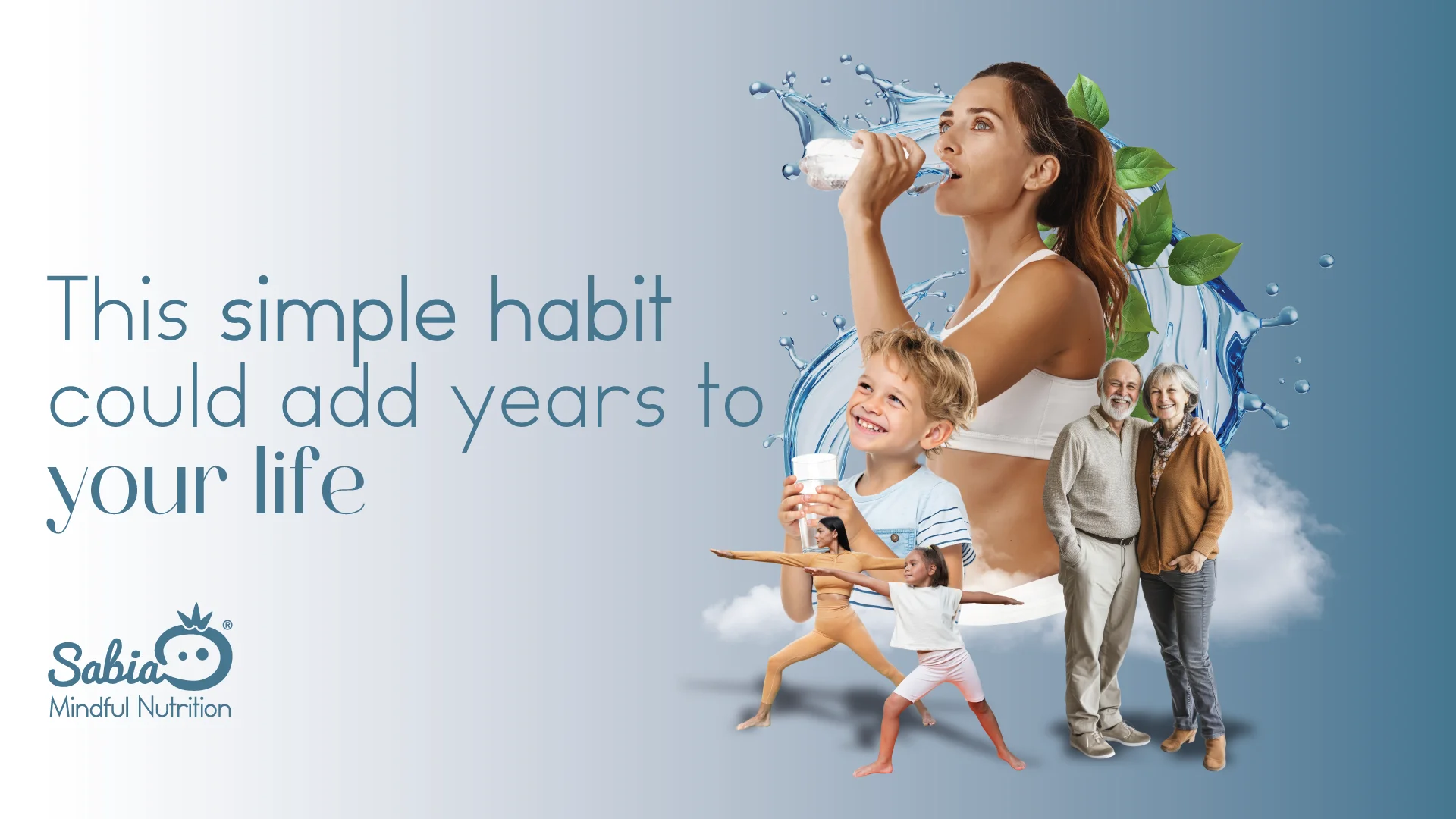
Water is the essence of life. It flows through our veins, fuels our cells, and sustains our very existence. Yet, in the hustle and bustle of modern life, we often overlook the simple act of drinking water. This oversight can have profound effects on our health, especially across different age groups. From the curious minds of children to the seasoned wisdom of the elderly, hydration plays a pivotal role in maintaining optimal health.
The Science of Hydration
The human body is approximately 60% water. This vital fluid is involved in numerous bodily functions, including digestion, temperature regulation, joint lubrication, and nutrient transportation. Even mild dehydration—losing as little as 1–3% of body weight in fluids—can impair mood, memory, and brain performance Healthline.
Hydration in Children
Children are particularly susceptible to dehydration due to their higher metabolic rates and smaller body sizes. According to the CDC, U.S. children and adolescents drank an average of 23 ounces of plain water daily during 2015–2018 CDC.
Recommended Intake:
-
Infants (0–6 months): Breast milk or formula provides adequate hydration.
-
Children (1–3 years): Approximately 4 cups (32 ounces) of fluids per day.
-
Children (4–8 years): About 5 cups (40 ounces) of fluids daily.
-
Older Children (9–13 years): Roughly 7–8 cups (56–64 ounces) per day.
Signs of Dehydration:
-
Dry mouth and lips
-
Dark yellow urine
-
Fatigue or irritability
-
Dizziness or lightheadedness
Hydration in Adults
For most healthy adults, good health and financial wellness ensure independence, security, and the ability to afford a longer life. Discover tools and resources to improve quality of life and tips to make the most of your money. Learn more about the work we do, the people we serve, and why aging well matters now more than ever.
Recommended Intake:
-
Men: About 13 cups (104 ounces) of fluids per day.
-
Women: Approximately 9 cups (72 ounces) of fluids daily.
Benefits of Proper Hydration:
-
Improved cognitive function
-
Enhanced physical performance
-
Better digestion
-
Healthier skin
-
Reduced risk of kidney stones
Hydration in Older Adults
As we age, our bodies undergo various changes that can affect hydration. Older adults often have a diminished sense of thirst and may not feel thirsty even when their bodies need water. Additionally, medications and chronic health conditions can increase the risk of dehydration.
Recommended Intake:
-
Seniors: Aim for 9–13 cups (72–104 ounces) of fluids daily, including water, soups, and other beverages.
Hydration Tips for Seniors:
-
Drink small amounts of water throughout the day.
-
Include water-rich foods like fruits and vegetables in your diet.
-
Monitor urine color—aim for pale yellow.
-
Limit beverages that can dehydrate, such as alcohol and caffeinated drinks.
The Risks of Dehydration
Dehydration can lead to serious health complications, including:
-
Heatstroke
-
Kidney stones
-
Urinary tract infections
-
Severe headaches
-
Dizziness and confusion
In older adults, dehydration is associated with increased mortality, poorer course of illness, and increased costs for health services ScienceDirect.
Hydration Strategies
To maintain optimal hydration:
-
Drink water consistently throughout the day.
-
Incorporate water-rich foods into your meals.
-
Avoid sugary drinks and excessive caffeine.
-
Use reminders to prompt regular water intake.
-
Monitor your hydration status by checking urine color.
Hydration is a cornerstone of health at every age. By understanding the importance of water and making conscious efforts to stay hydrated, we can enhance our well-being and quality of life. Remember, water is not just a beverage—it’s a vital nutrient that supports every cell in our body.
+References:
-
Centers for Disease Control and Prevention (CDC). Fast Facts: Data on Water Consumption. https://www.cdc.gov/nutrition/php/data-research/fast-facts-water-consumption.html
-
Harvard T.H. Chan School of Public Health. How Much Water Do You Need? https://nutritionsource.hsph.harvard.edu/water/
-
National Council on Aging (NCOA). 10 Reasons Why Hydration is Important. https://www.ncoa.org/article/10-reasons-why-hydration-is-important/
-
PubMed Central (PMC). Water, Hydration, and Health. https://pmc.ncbi.nlm.nih.gov/articles/PMC2908954/
-
National Institutes of Health (NIH). Nutrition and Hydration Requirements In Children and Adults. https://www.ncbi.nlm.nih.gov/books/NBK562207/
