

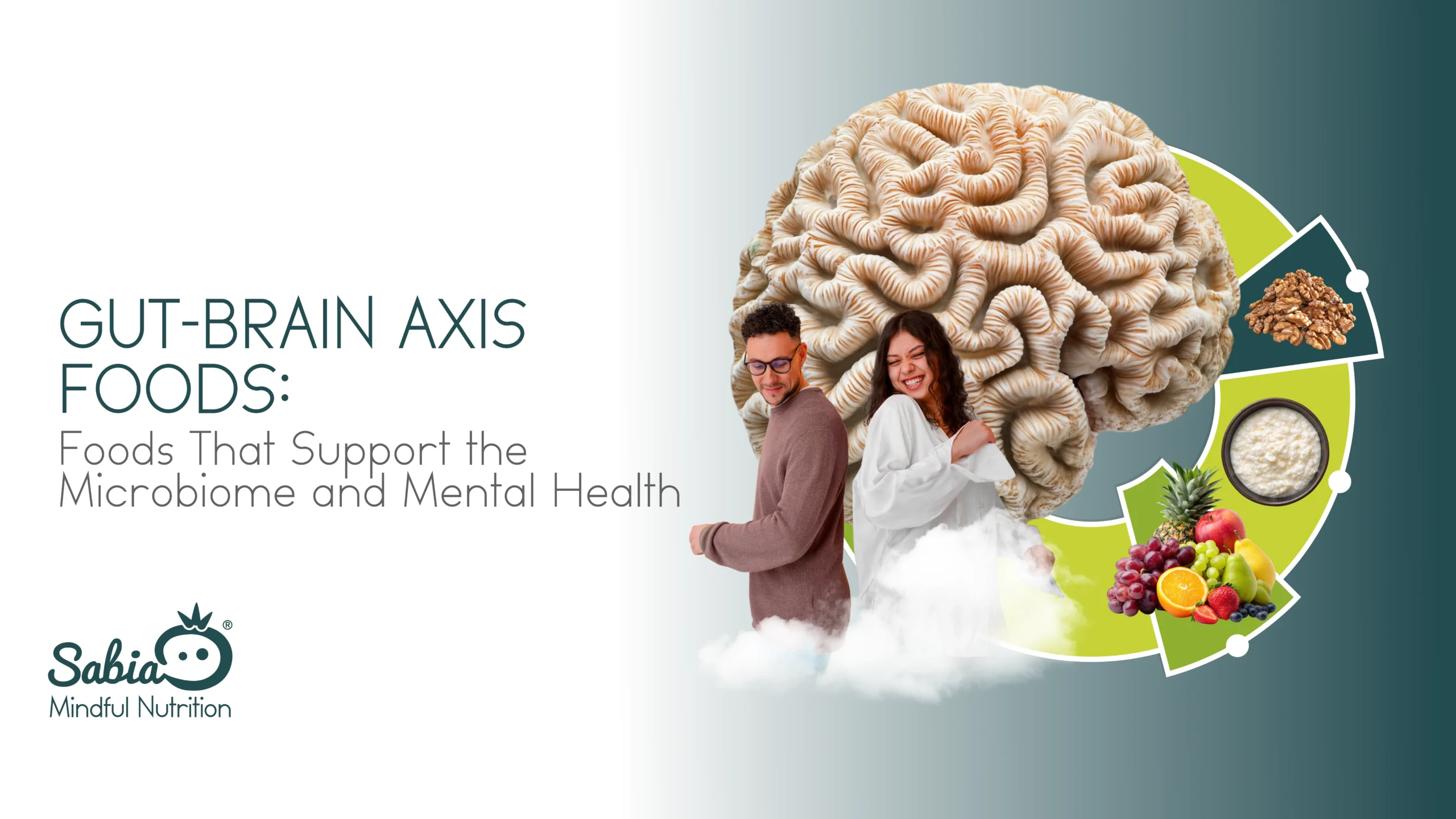
Gut-Brain Axis Foods: Foods That Support the Microbiome and Mental Health
The relationship between our gut and brain is much deeper than most people realize. This connection, known as the gut-brain axis, is a complex communication system between the gastrointestinal tract and the brain. Research has revealed that the health of our gut microbiome — the trillions of microorganisms living in our digestive system — can significantly impact our mental health, mood, and cognitive function.
In recent years, studies have shown that by nourishing our gut with the right foods, we can not only improve digestion but also enhance our mental well-being. In this article, we will explore the foods that support the gut-brain axis and how they help promote both a healthy microbiome and improved mental health.
1. What is the Gut-Brain Axis?
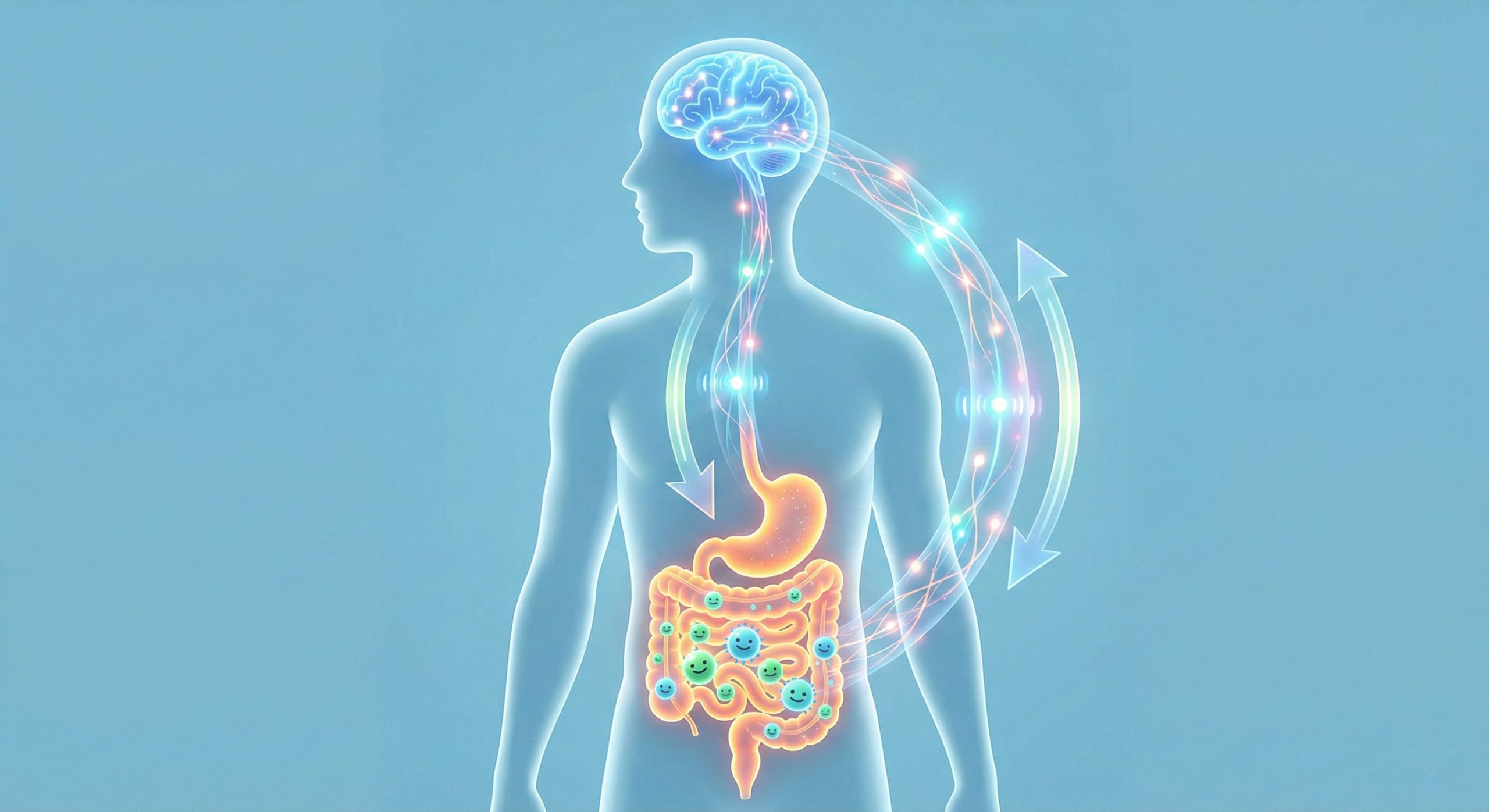
The gut-brain axis refers to the bi-directional communication between the gut and the brain, which occurs via the vagus nerve, hormones, and immune system signaling. The gut is home to a diverse microbiome composed of bacteria, fungi, and viruses. These microorganisms influence everything from digestion to mood regulation and even cognitive function.
The gut microbiome plays a crucial role in producing neurotransmitters (such as serotonin, dopamine, and gamma-aminobutyric acid or GABA), which directly affect mental health. In fact, it is estimated that about 90% of serotonin — the “feel-good” hormone — is produced in the gut.
2. Foods That Support the Microbiome and Mental Health
A balanced, diverse gut microbiome is essential for overall health, and the foods we eat can directly influence the composition of our microbiota. Here are some key foods that support the gut-brain axis and contribute to better mental health:
Probiotic-Rich Foods: The Gut’s Friendly Bacteria
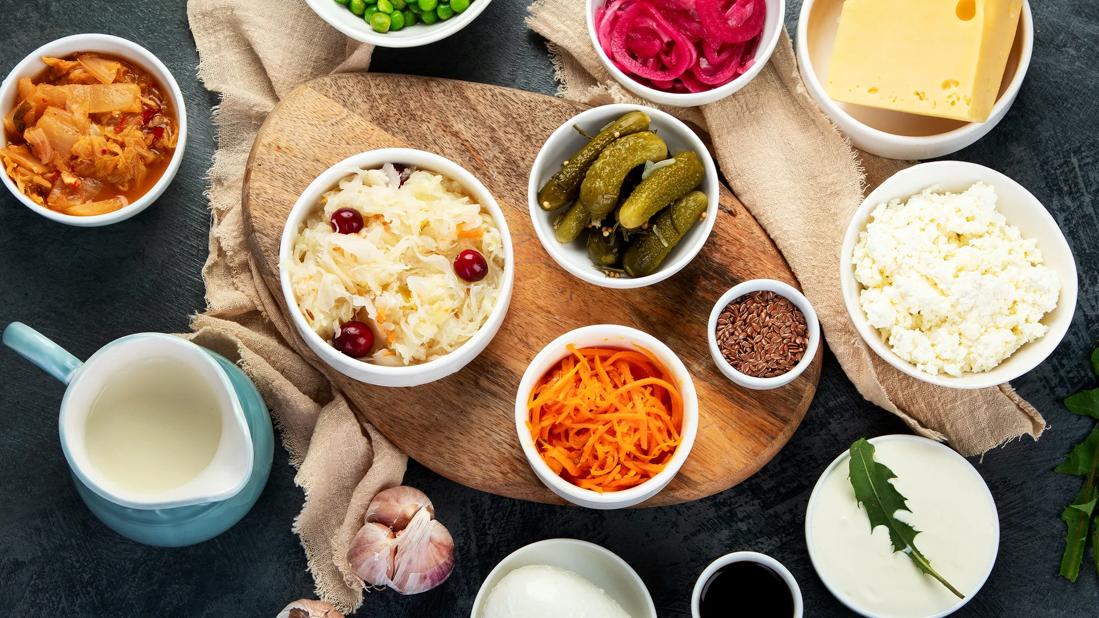
Probiotics are live beneficial bacteria that can help populate the gut with healthy microorganisms. These bacteria support digestion, enhance the immune system, and can improve mood and reduce symptoms of anxiety and depression.
Top Probiotic Foods:
-
Yogurt (with live active cultures)
-
Kefir (fermented dairy drink)
-
Kimchi (fermented Korean vegetable dish)
-
Sauerkraut (fermented cabbage)
-
Miso (fermented soy paste)
-
Tempeh (fermented soybean cake)
These foods help replenish beneficial bacteria in the gut, improving the gut microbiome and, by extension, mental well-being.
Prebiotic Foods: Fuel for the Good Bacteria
Prebiotics are a type of non-digestible fiber that serves as food for the beneficial bacteria in the gut. By feeding the good bacteria, prebiotics help them thrive and increase their number. This, in turn, can enhance gut health and contribute to improved mood regulation.
Top Prebiotic Foods:
-
Garlic
-
Onions
-
Leeks
-
Asparagus
-
Bananas (especially when slightly unripe)
-
Oats
-
Apples
Incorporating more prebiotic-rich foods into your diet helps create an environment where healthy gut bacteria can flourish.
Omega-3 Fatty Acids: Reducing Inflammation for a Healthier Brain
Omega-3 fatty acids, commonly found in fatty fish and certain plant-based foods, play an essential role in reducing inflammation in the brain and promoting overall mental health. These healthy fats have been linked to lower rates of depression, anxiety, and cognitive decline.
Top Omega-3-Rich Foods:
-
Salmon
-
Mackerel
-
Chia seeds
-
Flaxseeds
-
Walnuts
-
Hemp seeds
Omega-3s not only support brain function but also help balance the gut microbiome by reducing inflammation that could otherwise harm gut health.
Fiber-Rich Foods: The Foundation of Gut Health
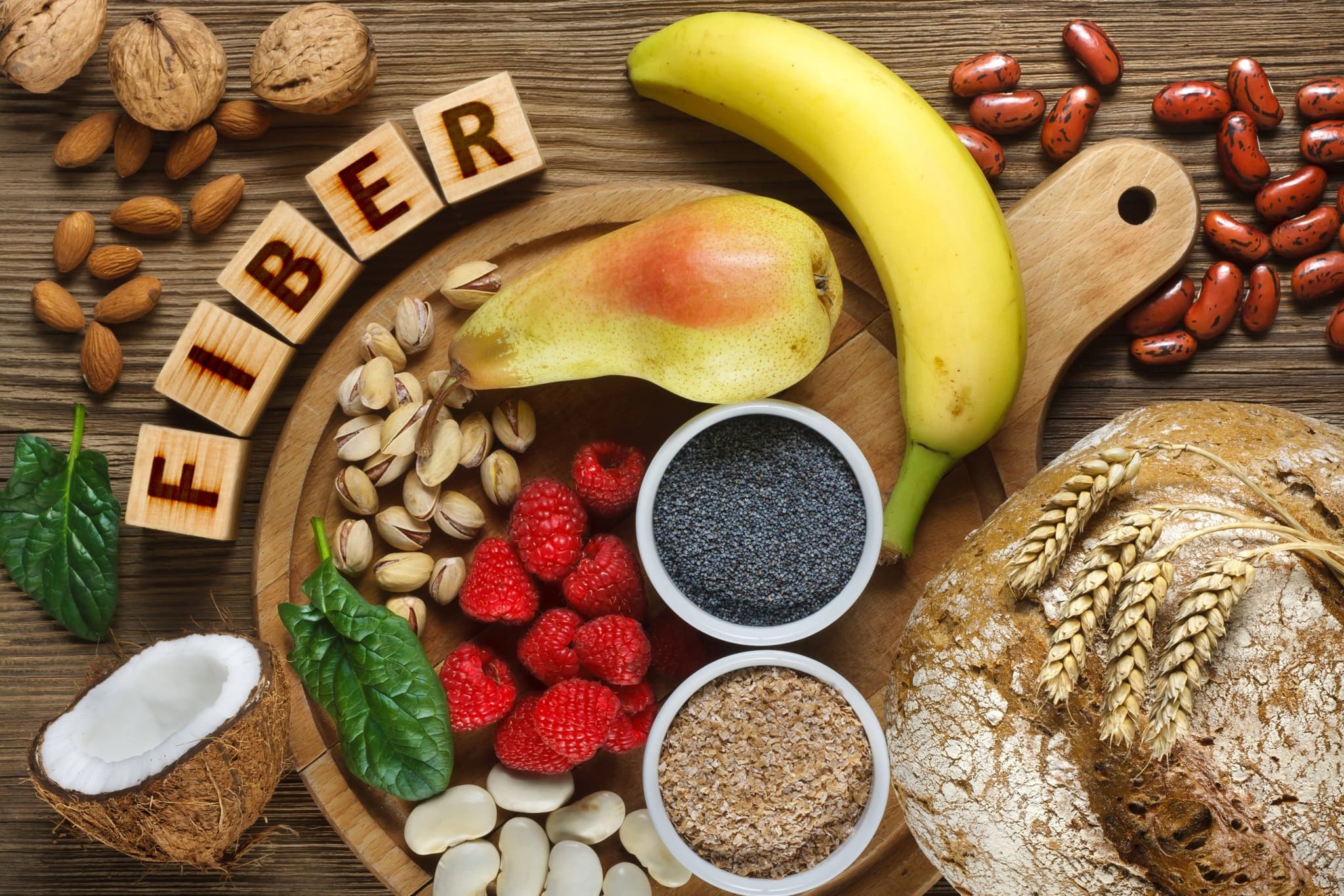
Fiber is essential for a healthy gut, as it helps with digestion, regular bowel movements, and maintaining a balanced microbiome. A fiber-rich diet has also been associated with improved mental health, as it supports the production of beneficial short-chain fatty acids (SCFAs), which have anti-inflammatory effects and promote brain health.
Top Fiber-Rich Foods:
-
Whole grains (e.g., oats, quinoa, brown rice)
-
Legumes (e.g., beans, lentils, chickpeas)
-
Fruits (e.g., apples, pears, berries)
-
Vegetables (e.g., spinach, broccoli, Brussels sprouts)
Increasing fiber intake from whole food sources helps maintain a thriving gut microbiome, which in turn supports better brain health.
3. The Role of Gut-Health Supplements
While whole foods are the best way to support gut health and mental well-being, some people may benefit from gut-health supplements. These can help enhance the diversity and population of gut bacteria, especially when dietary intake is not sufficient.
Popular Gut-Health Supplements:
-
Probiotics (e.g., Lactobacillus, Bifidobacterium strains)
-
Prebiotic fibers (e.g., inulin, FOS)
-
Digestive enzymes (for those with digestive issues)
-
L-Glutamine (supports gut lining)
-
Magnesium (supports overall gut function and reduces anxiety)
Before starting any supplements, it’s important to consult a healthcare provider to determine what’s best for your needs.4. The Link Between Gut Health and Mental Well-being
Emerging research has shown that a balanced gut microbiome can have profound effects on mental health. The gut-brain axis influences everything from mood regulation to cognitive function and even emotional stability. By nurturing your gut with the right foods, you’re not just improving digestion; you’re also enhancing your mental clarity, reducing stress, and potentially alleviating symptoms of depression and anxiety.
The gut-brain connection is powerful, and the foods we consume play a crucial role in maintaining that balance. By focusing on probiotic-rich foods, prebiotic fibers, omega-3s, and fiber-rich options, you can nurture your gut microbiome and boost mental health. Whether you’re looking to reduce stress, improve mood, or enhance cognitive performance, supporting your gut with the right foods is a vital step toward a healthier, happier mind and body.
References
-
Gut Microbiome and Mental Health: A Review (2020). Frontiers in Neuroscience.
-
Probiotics and the Gut-Brain Axis: Evidence and Mechanisms (2018). Journal of Psychiatric Research.
-
Omega-3 Fatty Acids and Gut Health: A Review (2019). Nutrients Journal.
