



Thyroid Health Basics: Relationship with Weight, Energy, and Metabolism
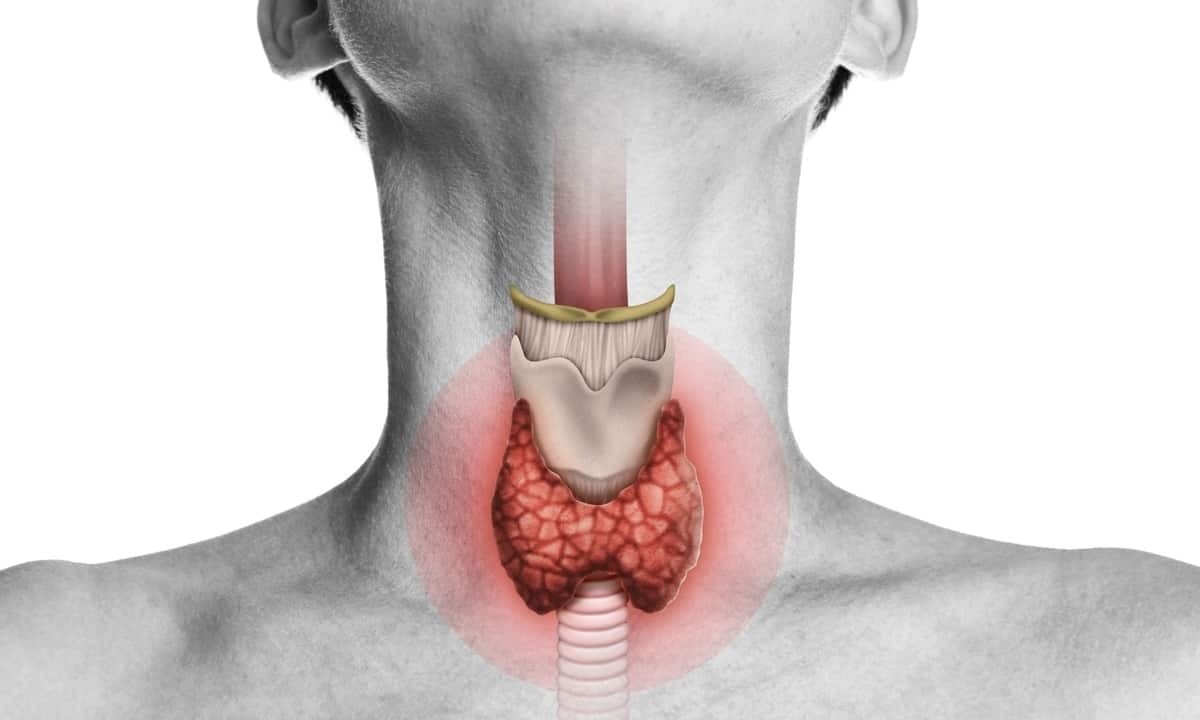
The thyroid is a small, butterfly-shaped gland located in the front of the neck, but it plays a massive role in regulating various essential bodily functions, including weight, energy levels, and metabolism. Despite its small size, thyroid health is crucial for overall well-being, and any imbalance in thyroid function can lead to significant health issues.
In this article, we will break down the basics of thyroid health, explain how it impacts metabolism and energy, and discuss the relationship between thyroid function and weight management. Whether you’re struggling with weight gain, fatigue, or just want to better understand your body, this information is essential for improving your health.
1. Understanding Thyroid Function
The thyroid produces hormones that regulate various body functions, most notably thyroxine (T4) and triiodothyronine (T3). These hormones are responsible for controlling the metabolic rate, or how fast or slow the body burns energy. The thyroid works in close connection with the pituitary gland, which helps regulate its hormone production through a feedback system.
How Thyroid Hormones Affect the Body
-
T3 and T4: These two hormones control how much energy your cells use. They influence processes like heart rate, temperature regulation, and the conversion of food into energy.
-
Metabolism: Thyroid hormones regulate the speed of your metabolism, which is how quickly your body burns calories. An imbalance in thyroid hormone levels can cause either an overactive or underactive metabolism, leading to various symptoms.
2. The Thyroid and Weight Management
Your thyroid plays a crucial role in maintaining a healthy weight. When the thyroid is functioning properly, it helps to regulate the body’s energy balance, ensuring that you burn calories efficiently. However, if your thyroid is underactive (hypothyroidism) or overactive (hyperthyroidism), it can significantly impact your weight.
Hypothyroidism (Underactive Thyroid)
When the thyroid is underactive, it doesn’t produce enough thyroid hormones, slowing down your metabolism. This can lead to weight gain, even if you aren’t eating more than usual. Other symptoms of hypothyroidism may include:
-
Fatigue
-
Depression
-
Dry skin and hair
-
Cold intolerance
Hypothyroidism can also make it more challenging to lose weight, as your metabolism is working slower than normal. Treatment with thyroid hormone replacement therapy (levothyroxine) is usually effective in managing these symptoms.
Hyperthyroidism (Overactive Thyroid)
On the other hand, when the thyroid is overactive, it produces too much thyroid hormone, which speeds up metabolism. This can lead to weight loss, despite increased appetite. Other symptoms of hyperthyroidism include:
-
Nervousness
-
Rapid heartbeat
-
Excessive sweating
-
Tremors
Hyperthyroidism can result in unintentional weight loss and may require medication, radioactive iodine therapy, or even surgery to treat.

3. The Thyroid and Energy Levels
Your thyroid directly influences your energy levels, as thyroid hormones help regulate how efficiently the body uses energy. When the thyroid is not functioning correctly, it can lead to persistent feelings of tiredness, fatigue, and a lack of energy.
-
Hypothyroidism can cause severe fatigue and sluggishness because the metabolism slows down.
-
Hyperthyroidism, on the other hand, may lead to feelings of exhaustion, even though the body is burning energy faster than normal.
Thyroid Hormone Treatment and Energy Levels
For those with hypothyroidism, thyroid hormone replacement can help restore normal energy levels. However, for people with hyperthyroidism, treatment options like antithyroid medications can help regulate hormone production and stabilize energy levels.
4. The Thyroid and Metabolism
Your metabolism is how your body converts food into energy. The thyroid controls your metabolism by regulating the amount of energy your cells use. If your thyroid is underactive, your metabolism will slow down, and if it’s overactive, your metabolism will speed up.
Impact of Thyroid Imbalance on Metabolism
-
Hypothyroidism: When your thyroid is underactive, your metabolism becomes sluggish, leading to symptoms like weight gain, low energy, and a slowed heart rate.
-
Hyperthyroidism: When your thyroid is overactive, your metabolism works overtime, leading to symptoms like weight loss, increased heart rate, and high energy.

5. Supporting Thyroid Health: Tips for Managing Thyroid Function
Maintaining thyroid health is crucial for keeping your metabolism and energy levels balanced. Here are some tips for supporting your thyroid function:
1. Adequate Iodine Intake
Iodine is essential for thyroid hormone production. Include iodine-rich foods like seaweed, fish, and dairy in your diet to support thyroid health.
2. Balanced Diet
A well-balanced diet that includes plenty of fruits, vegetables, whole grains, and lean proteins can help maintain overall health and support your thyroid function.
3. Manage Stress
Chronic stress can negatively impact thyroid function by affecting the hypothalamic-pituitary-adrenal (HPA) axis, which in turn can disrupt the thyroid’s hormonal balance. Practicing stress management techniques such as meditation, deep breathing, and regular exercise can help.
4. Avoid Goitrogens in Excess
Certain foods, like soy, cruciferous vegetables (e.g., broccoli, cauliflower), and millets, contain substances known as goitrogens that can interfere with thyroid function if consumed in excessive amounts. Cooking these vegetables can help reduce their goitrogenic effect.
Thyroid health is essential for regulating weight, energy, and metabolism. Whether you’re dealing with unexplained weight gain, fatigue, or difficulty losing weight, understanding the role of the thyroid can help you find the right solution. If you suspect a thyroid imbalance, it’s essential to consult with a healthcare provider for appropriate testing and treatment. With proper care and management, you can restore your thyroid function and improve your overall well-being.
References
-
The Role of Thyroid Hormones in Metabolism and Energy Regulation (2015). Journal of Clinical Endocrinology & Metabolism.
-
Hypothyroidism and Weight Gain: Understanding the Link (2016). Journal of the American Medical Association.
-
Hyperthyroidism: Diagnosis and Treatment (2017). Mayo Clinic Proceedings.
