

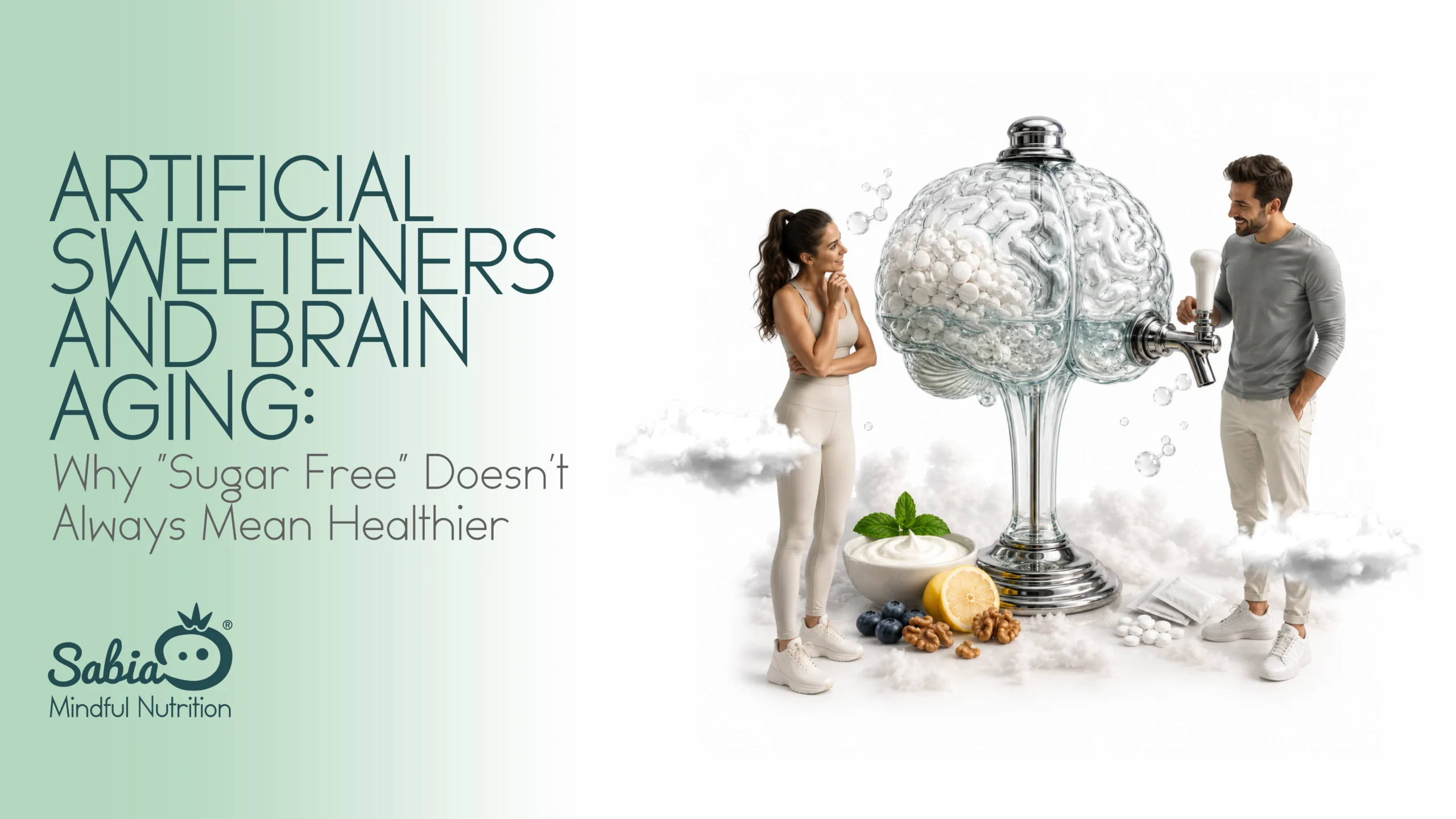
Artificial Sweeteners and Brain Aging: Why “Sugar Free” Doesn’t Always Mean Healthier
Are Artificial Sweeteners Bad for Brain Health?
A 2026 study published in Neurology found that adults who consumed higher amounts of low and no-calorie sweeteners experienced faster declines in memory and thinking abilities compared with those consuming lower amounts. The association appeared stronger among adults younger than 60 and people with diabetes.
However, an important distinction matters: the study found an association, not proof that artificial sweeteners directly cause brain aging.
This means the conversation should not be:
“Artificial sweeteners are destroying your brain.”
The better question is:
“Why have we become so dependent on extreme sweetness, and what happens when highly processed foods replace naturally nourishing options?”
At Sabia Nutrition, the answer is simple: whenever possible, choose foods closer to their original form. Sugar-free does not automatically mean health-focused.
The Study That Restarted the Artificial Sweetener Debate
For years, artificial sweeteners have been promoted as a simple solution: remove sugar, reduce calories, and keep the sweet taste people enjoy.
This approach helped millions of people reduce added sugar intake. For individuals trying to manage blood glucose, calorie intake, or weight, replacing some sugary products with lower-calorie alternatives may have practical benefits.
But the question researchers are now asking is more complex:
What happens when these products become a daily habit rather than an occasional tool?
The 2026 research analyzed data from thousands of adults and followed changes in cognitive performance over time. Researchers evaluated consumption of several low and no-calorie sweeteners commonly found in products such as:
- Diet beverages.
- Flavored waters.
- Low-calorie desserts.
- Sweetened processed foods.
- Some “healthy” packaged snacks.
Participants with the highest consumption showed faster declines in measures related to memory and thinking compared with those with the lowest intake.
The difference was described as approximately 1.6 additional years of cognitive aging.
The relationship was more evident in adults younger than 60 and in people with diabetes.
But researchers also highlighted limitations. Dietary information was self-reported, and observational studies cannot prove that one factor directly causes another.
In other words: this study is a warning signal, not a final verdict.
Why “Sugar Free” Became Synonymous With “Healthy”

The rise of artificial sweeteners reflects a bigger change in modern nutrition: our desire to maintain the taste experience of processed foods while removing one ingredient we learned to fear.
Sugar became the enemy.
So the food industry created thousands of alternatives:
- Sugar-free cookies.
- Zero-calorie drinks.
- Light yogurts.
- Low-carb desserts.
- Protein products with intense sweetness.
Some of these products can have a place in a balanced diet. The issue is when they replace the foods that actually provide nutrients.
A diet made mostly of artificial flavors, sweet tastes, and ultra-processed products may technically be lower in sugar, but it may still be missing important elements for long-term health:
- Fiber.
- Polyphenols.
- Minerals.
- Healthy fats.
- Natural plant compounds.
- Protein quality.
This is the difference between a diet that simply removes something and a diet that actively nourishes the body.
The Brain Needs More Than Lower Calories
Brain health depends on much more than avoiding sugar.
The brain requires a constant supply of nutrients to maintain communication between neurons, regulate inflammation, produce energy, and protect cells from damage.
Some of the strongest nutrition patterns associated with healthy aging consistently emphasize:
- Colorful fruits and vegetables.
- Healthy fats such as olive oil, nuts, seeds, and fatty fish.
- Adequate protein.
- High-fiber foods.
- Fermented foods that support gut health.
- Stable blood sugar patterns.
This is why Sabia Nutrition focuses on adding quality rather than simply removing ingredients.
The goal is not to create fear around one food or one ingredient. The goal is to create an eating pattern that supports the entire system: brain, heart, metabolism, gut, and longevity.
Artificial Sweeteners and the Gut-Brain Connection
One reason artificial sweeteners continue to be studied is their possible relationship with the gut microbiome.
The gut and brain communicate constantly through what scientists call the gut-brain axis. This connection involves immune signals, hormones, metabolites, and the nervous system.
Research is exploring whether certain sweeteners may influence gut bacteria, digestion, glucose responses, and metabolic pathways.
However, the human evidence is still developing. Not every sweetener affects every person in the same way, and individual responses may vary depending on genetics, diet quality, microbiome composition, and overall lifestyle.
This is another reason why nutrition science requires balance. A single ingredient rarely explains the entire picture.
The Sabia Nutrition Approach: Less Artificial Sweetness, More Real Nutrition

At Sabia Nutrition, the goal is not simply to remove sugar. The goal is to rebuild a healthier relationship with sweetness.
For decades, many people have been trained to look for substitutes: sugar-free, fat-free, low-calorie, zero-sugar. But health is not created by removing one ingredient while keeping the same ultra-processed habits.
A food can be low in sugar and still lack the nutrients your body needs.
A more sustainable approach focuses on:
- Choosing foods with naturally occurring nutrients.
- Reducing dependence on intense sweet flavors.
- Prioritizing meals built from real ingredients.
- Supporting stable energy and metabolism.
- Creating habits that are realistic long term.
The healthiest diet is not the one with the longest list of forbidden foods. It is the one that makes nutritious choices easier and more natural.
Do You Need to Eliminate All Artificial Sweeteners?
The answer is more nuanced than a simple yes or no.
Current research does not prove that occasional consumption of artificial sweeteners will cause brain aging or cognitive decline. The 2026 study identified a relationship between higher intake and faster cognitive decline, but it does not demonstrate direct causation.
For many people, using a small amount of a sweetener occasionally may not represent a significant concern.
However, the bigger nutritional question is this:
Are artificial sweeteners helping you create a healthier diet, or are they keeping you attached to an overly sweet food environment?
If someone drinks multiple artificially sweetened beverages every day, eats several “zero sugar” products, and rarely consumes whole foods, the issue is probably not one ingredient. The issue is the overall pattern.
Replacing processed sweetness with naturally satisfying foods can help reset taste preferences over time.
Natural Alternatives to Artificial Sweeteners
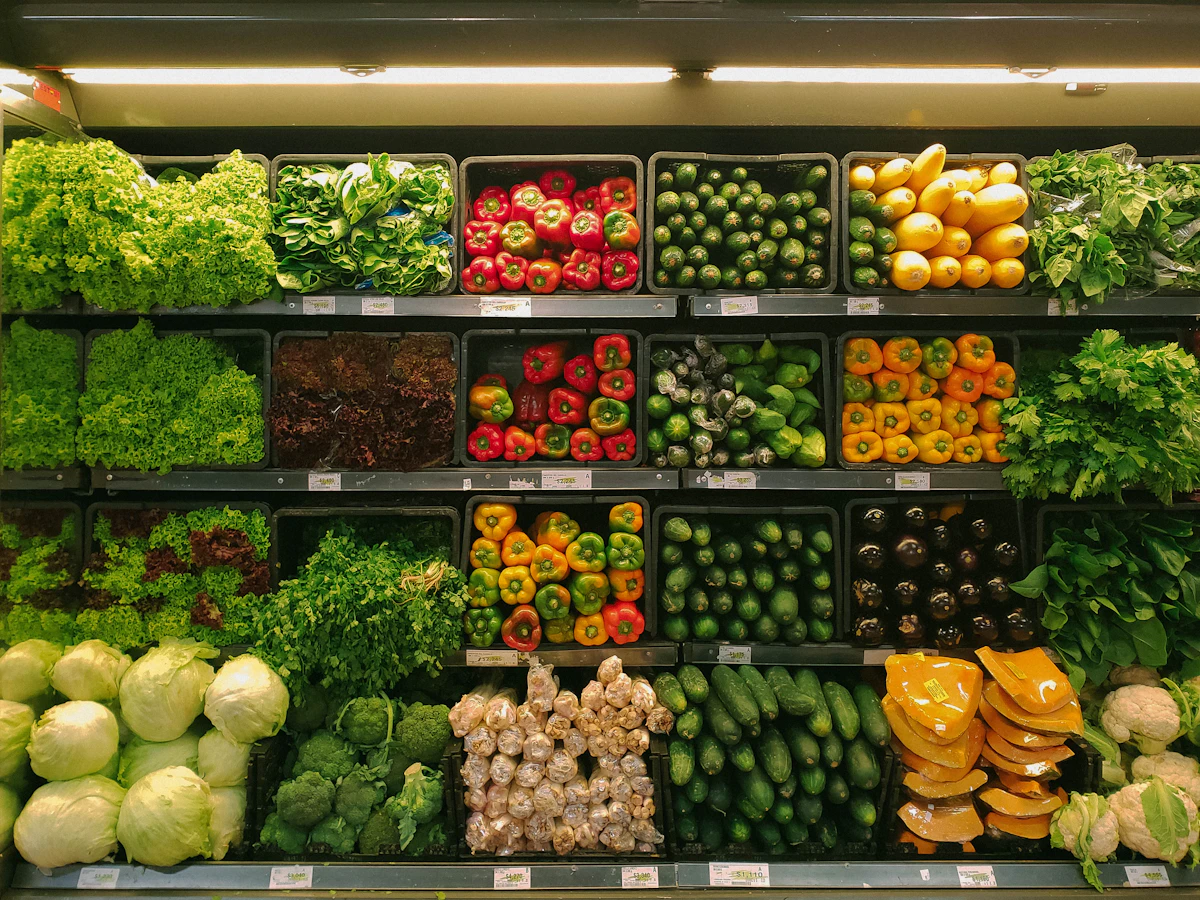
The best alternative to artificial sweetness is often not another sweetener. It is learning to enjoy food with more natural flavors.
1. Fruit Instead of Artificially Flavored Desserts
Fruit provides sweetness together with fiber, vitamins, minerals, and plant compounds.
Examples:
- Berries with Greek yogurt.
- Apple slices with nut butter.
- Frozen grapes as a dessert replacement.
- Banana blended into smoothies.
2. Cinnamon and Natural Flavor Enhancers
Spices can create the perception of sweetness without adding sugar or artificial ingredients.
Try:
- Cinnamon.
- Vanilla.
- Cocoa powder.
- Nutmeg.
- Cardamom.
3. Choose Unsweetened Versions
One of the easiest changes is choosing products without added sweeteners:
- Plain Greek yogurt instead of flavored yogurt.
- Unsweetened coffee instead of sweetened creamers.
- Sparkling water instead of diet sodas.
- Whole fruit instead of artificially sweetened snacks.
4. Use Natural Sweeteners Strategically
Natural sweeteners are still sources of sweetness and should not be consumed without limits. But options like dates, fruit purees, or small amounts of honey can fit into a whole-food approach when used intentionally.
The goal is not replacing one extreme with another. The goal is reducing the need for extreme sweetness.
7 Simple Swaps to Reduce Artificial Sweeteners
Reducing artificial sweeteners does not mean giving up flavor. The goal is to move toward foods that provide more nutrition, more satisfaction, and a better connection with natural ingredients.
🥤 Diet Soda
Instead of:
Artificially sweetened soft drinks.
Try:
Sparkling water with lemon, lime, mint, or fresh fruit.
🥣 Flavored Yogurt
Instead of:
Sweetened yogurts with artificial flavors.
Try:
Plain Greek yogurt with berries, cinnamon, or nuts.
🍪 Sugar-Free Desserts
Instead of:
Processed desserts made with artificial sweeteners.
Try:
Fruit-based desserts with whole ingredients.
☕ Sweet Coffee Drinks
Instead of:
Artificially sweetened coffee beverages.
Try:
Coffee with cinnamon, vanilla, or natural spices.
🍫 Protein Bars
Instead of:
Highly processed bars with intense sweetness.
Try:
Greek yogurt, eggs, nuts, or whole-food protein snacks.
💧 Zero-Calorie Drinks
Instead of:
Artificially flavored beverages.
Try:
Water infused with fruit, herbs, or natural flavors.
🥨 Processed Snacks
Instead of:
Low-calorie ultra-processed snacks.
Try:
Whole foods combining protein, fiber, and healthy fats.
Brain Health Is Built Through Daily Nutrition Habits

The artificial sweetener conversation is part of a much larger topic: how daily food choices influence healthy aging.
Brain health is supported by many factors working together:
- Regular physical activity.
- Adequate sleep.
- Stress management.
- Social connection.
- Learning and mental stimulation.
- A nutrient-dense eating pattern.
Nutrition patterns such as Mediterranean-style eating and other whole-food approaches consistently appear in brain health research because they focus on the basics:
- Vegetables.
- Fruits.
- Fish.
- Olive oil.
- Legumes.
- Nuts.
- High-quality protein.
The future of nutrition is not about finding the perfect ingredient. It is about creating environments where healthy choices become the default.
The Bottom Line: Sugar Free Is Not the Same as Health Focused
Artificial sweeteners have become a symbol of modern nutrition: trying to recreate the experience of traditional foods while removing one unwanted component.
Sometimes that strategy can be useful. But it should not replace the bigger picture.
The 2026 research adds another important question to the conversation around artificial sweeteners and health. While more studies are needed, it reminds us that long-term wellness is influenced by patterns, not isolated ingredients.
At Sabia Nutrition, the philosophy is simple:
Choose foods that nourish your body, support your brain, and work with your biology instead of constantly trying to trick it.
A naturally sweet strawberry will always bring more nutritional value than a chemically engineered dessert designed only to imitate sweetness.
Healthy aging is not about chasing perfection. It is about making better choices consistently.
Medical Disclaimer
This article is for educational purposes only and does not replace medical advice. Individual responses to artificial sweeteners vary, and people with diabetes or specific medical conditions should discuss dietary changes with a qualified healthcare professional.
References
- American Academy of Neurology. Popular sugar substitutes linked to faster brain aging. ScienceDaily, July 2026.
- Neurology. Association Between Consumption of Low- and No-Calorie Artificial Sweeteners and Cognitive Decline: An 8-Year Prospective Study.
- PubMed. Association Between Consumption of Low- and No-Calorie Artificial Sweeteners and Cognitive Decline.
- Harvard Health Publishing. Artificial sweeteners may speed declines in memory and thinking.
