

Fibermaxxing: The Viral Nutrition Trend That Might Actually Be Worth the Hype
What Is Fibermaxxing?
- Better digestive health.
- Improved blood sugar regulation.
- Greater satiety.
- Healthy cholesterol levels.
- A more diverse gut microbiome.
- Better long-term metabolic health.
The real question is not whether fiber deserves attention. It does.
The better question is whether people can increase fiber in a realistic way without turning another healthy habit into an extreme challenge.
Why Fiber Is Becoming the New Nutrition Conversation

For the last decade, protein has dominated the health and fitness conversation.
Protein became the nutrient associated with muscle growth, body composition, satiety, and healthy aging.
And that attention was deserved.
But another important nutrient has been quietly influencing many of the same areas: fiber.
In 2026, fiber has entered mainstream wellness culture because people are becoming more aware of the connection between the gut, metabolism, immune function, and long-term health.
Companies and nutrition researchers are increasingly discussing fiber as a major opportunity because most people still do not consume enough.
The modern diet has shifted dramatically toward convenience:
- More refined carbohydrates.
- More packaged foods.
- More low-fiber snacks.
- Fewer legumes.
- Fewer vegetables.
- Less variety of plant foods.
The result is that many people consume enough calories but not enough of the nutrients that support healthy aging.
This is why fibermaxxing resonates. It represents a return to something simple:
Eat more plants. Eat more variety. Feed your body and your microbiome.
The Fiber Gap: Why Most People Are Not Eating Enough
Despite the importance of fiber, intake remains low in many populations.
Many adults consume significantly less fiber than recommended because their diets are dominated by foods that are easy, convenient, and heavily processed.
A typical low-fiber day may look like:
- Coffee for breakfast with a refined pastry.
- A sandwich or fast meal for lunch.
- A processed dinner with limited vegetables.
- Few fruits, legumes, nuts, or seeds.
The problem is not one specific food. It is the overall pattern.
Fiber naturally appears in foods that humans have consumed for thousands of years:
- Beans.
- Lentils.
- Vegetables.
- Fruits.
- Seeds.
- Nuts.
- Whole grains.
Increasing fiber intake is often less about adding a supplement and more about rebuilding meals around real foods.
Fiber and the Gut: Why Your Microbiome Cares

One of the biggest reasons fiber has become a major longevity topic is its relationship with the gut microbiome.
The human gut contains trillions of microorganisms that interact with food, metabolism, immune function, and inflammation pathways.
Certain types of fiber act as fuel for beneficial gut bacteria. During fermentation, these bacteria produce compounds such as short-chain fatty acids, which researchers continue studying for their role in metabolic and immune health.
This creates an important shift in how we think about nutrition.
Fiber is not only something that passes through the digestive system.
It is also information for the ecosystem living inside us.
A diverse intake of plant foods creates a more diverse environment for gut bacteria, which is one reason nutrition experts often recommend eating a wide variety of fruits and vegetables instead of focusing on one “superfood.”
Fiber vs Protein: Why You Actually Need Both
The rise of fibermaxxing does not mean protein is no longer important.
This is one of the biggest misunderstandings created by online nutrition trends.
Health is rarely about choosing one nutrient and ignoring another.
Protein and fiber perform different but complementary roles:
Protein supports:
- Muscle maintenance.
- Recovery.
- Satiety.
- Hormone and enzyme production.
- Healthy aging.
Fiber supports:
- Gut microbiome diversity.
- Digestive health.
- Blood sugar stability.
- Cholesterol management.
- Long-term metabolic health.
The ideal meal combines both.
Examples:
- Greek yogurt with berries, chia seeds, and nuts.
- Salmon with vegetables and quinoa.
- Lentil bowls with lean protein and avocado.
- Eggs with vegetables and whole-grain toast.
The future of nutrition is not protein versus fiber.
It is protein plus fiber.
How to Start Fibermaxxing Without Overwhelming Your Digestion
One mistake people make when discovering fibermaxxing is trying to go from a low-fiber diet to an extremely high-fiber diet overnight.
More fiber is beneficial, but your digestive system needs time to adapt.
A sudden increase can cause:
- Bloating.
- Gas.
- Digestive discomfort.
- Changes in bowel habits.
The solution is not avoiding fiber. The solution is increasing it gradually.
A smarter approach:
- Add one extra serving of vegetables per day.
- Include legumes two or three times per week.
- Add chia seeds or flaxseeds to breakfast.
- Replace refined grains with whole grains.
- Increase fruit intake slowly.
- Drink enough water as fiber intake increases.
Fiber works best when it becomes part of your daily routine, not a short-term challenge.
The Best Fiber-Rich Foods for Healthy Aging
The most effective fiber strategy is not buying the product with the biggest “high fiber” label.
It is choosing foods that naturally contain fiber alongside vitamins, minerals, antioxidants, and other beneficial compounds.
1. Legumes: The Fiber Powerhouse
Beans, lentils, chickpeas, and peas are among the most complete longevity foods.
They provide:
- Soluble fiber.
- Plant-based protein.
- Minerals.
- Slow-digesting carbohydrates.
- Prebiotic compounds.
Adding legumes regularly is one of the simplest ways to increase fiber while also improving overall diet quality.
2. Vegetables: The Foundation of Fiber Intake
Vegetables provide different types of fiber along with thousands of plant compounds that support overall health.
Great options include:
- Broccoli.
- Artichokes.
- Brussels sprouts.
- Spinach.
- Carrots.
- Asparagus.
- Sweet potatoes.
3. Fruits: Nature’s Fiber Dessert
Fruit is often misunderstood because it contains natural sugar. But whole fruits come packaged with fiber, water, vitamins, minerals, and antioxidants.
Excellent fiber-rich choices:
- Berries.
- Apples.
- Pears.
- Raspberries.
- Kiwi.
- Oranges.
4. Seeds and Nuts
Small foods can create a big nutritional impact.
- Chia seeds.
- Flaxseeds.
- Almonds.
- Walnuts.
- Pumpkin seeds.
Adding seeds to yogurt, smoothies, salads, or oatmeal is one of the easiest fiber upgrades.
5. Whole Grains
Whole grains provide fiber that supports digestion and helps create more balanced meals.
Examples:
- Oats.
- Quinoa.
- Brown rice.
- Barley.
- Whole-grain breads.
Fibermaxxing Mistakes That Can Backfire
Like every viral nutrition trend, fibermaxxing can be misunderstood.
Here are the most common mistakes:
Mistake #1: Thinking Fiber Supplements Replace Food
Fiber supplements can be useful in specific situations, but they do not provide the full nutritional package found in plants.
A tablespoon of fiber powder does not replace vegetables, legumes, fruits, and whole foods.
Mistake #2: Ignoring Protein
Some people discover fiber and accidentally reduce their protein intake.
That is not the goal.
For healthy aging, muscle preservation remains essential. Fiber and protein should work together.
Mistake #3: Adding Fiber Without Water
Fiber absorbs water. Increasing fiber while staying dehydrated can create digestive discomfort.
Hydration is part of the fiber strategy.
Mistake #4: Choosing Ultra-Processed “High Fiber” Products
A cookie with added fiber is still a cookie.
A cereal bar with isolated fiber added is not equivalent to eating oats, berries, nuts, and seeds.
The source of fiber matters.
The Fibermaxxing Plate: A Sabia Nutrition Approach
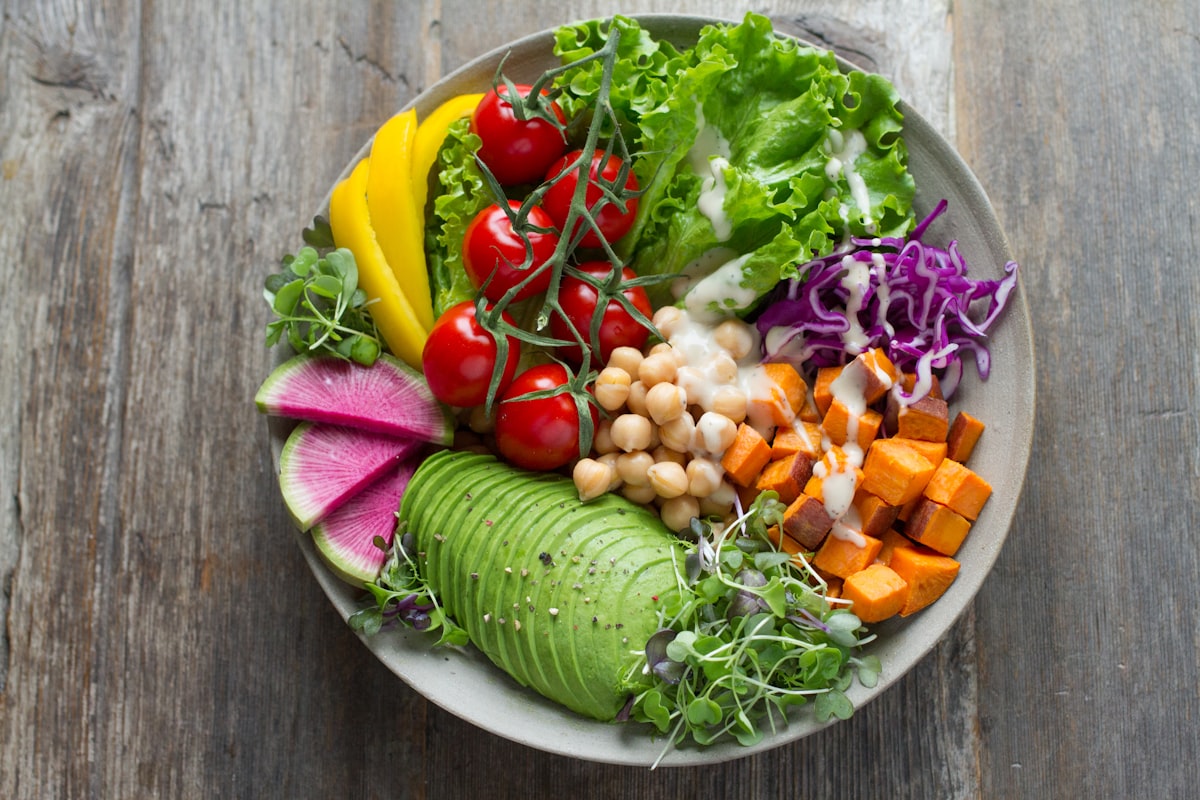
A practical fiber-focused meal does not need to be complicated.
A simple formula:
The Sabia Fibermaxxing Plate 🥗
A simple formula to build meals that support gut health, metabolism, energy, and healthy aging.
50% Plants
The foundation of fibermaxxing.
- Leafy greens 🥬
- Colorful vegetables 🌈
- Berries and fruits 🍓
- Fiber-rich ingredients 🌿
25% Protein
Build and protect your muscle.
- Fish 🐟
- Eggs 🥚
- Greek yogurt 🥣
- Tofu & tempeh 🌱
- Lean proteins 🍗
25% Smart Carbs
Fuel your body with quality energy.
- Sweet potatoes 🍠
- Quinoa 🌾
- Oats 🥣
- Legumes 🫘
- Whole grains 🌻
Add Healthy Fats
Support hormones, brain health, and nutrient absorption.
Olive oil 🫒
Avocado 🥑
Nuts 🌰
Seeds 🌱
✨ Fiber + Protein + Healthy Fats = A plate designed for long-term health
This approach supports the main goals behind fibermaxxing:
- Better gut health.
- More stable energy.
- Improved fullness after meals.
- Better metabolic health.
- Long-term healthy aging.
Fiber and Longevity: Why This Trend May Actually Last
Many viral nutrition trends disappear because they are built around restriction, fear, or unrealistic promises.
Fibermaxxing is different because the foundation is simple:
Eat more of the foods humans have always benefited from.
More plants.
More variety.
More minimally processed foods.
The connection between fiber, gut health, metabolic health, and cardiovascular wellness makes this trend more than a social media moment.
The future of nutrition is moving toward personalization, but some principles remain universal:
- Eat enough protein.
- Eat enough fiber.
- Prioritize food quality.
- Support your microbiome.
- Build habits you can maintain for years.
The Bottom Line: Fiber Is Not New, But We Need More of It
Fibermaxxing may sound like another internet trend, but behind the name is one of the most established ideas in nutrition: plants matter.
The excitement around fiber is not because fiber suddenly became powerful in 2026. It is because people are rediscovering something that modern diets moved away from.
At Sabia Nutrition, the message is simple:
Do not chase the newest nutrition hack. Build the foundations that have supported human health for generations.
Protein helps maintain muscle. Fiber helps support the ecosystem inside your body. Together, they create a stronger foundation for energy, metabolism, and healthy aging.
The next big nutrition trend may not be a new ingredient.
It may simply be eating more real food.
Medical Disclaimer
This article is for educational purposes only and does not replace medical advice. Individuals with digestive disorders, specific medical conditions, or dietary restrictions should consult a healthcare professional before making major changes to their fiber intake.
References
- American Society for Nutrition. Dietary Fiber and Health Research Updates.
- Food Institute. Nutrition Trends 2026.
- Kerry Health and Nutrition Institute. Nutrition and Health Trends 2026.
- U.S. News Health. Fiber and nutrition trends 2026.
- The Lancet / Gut microbiome and dietary fiber research.
