

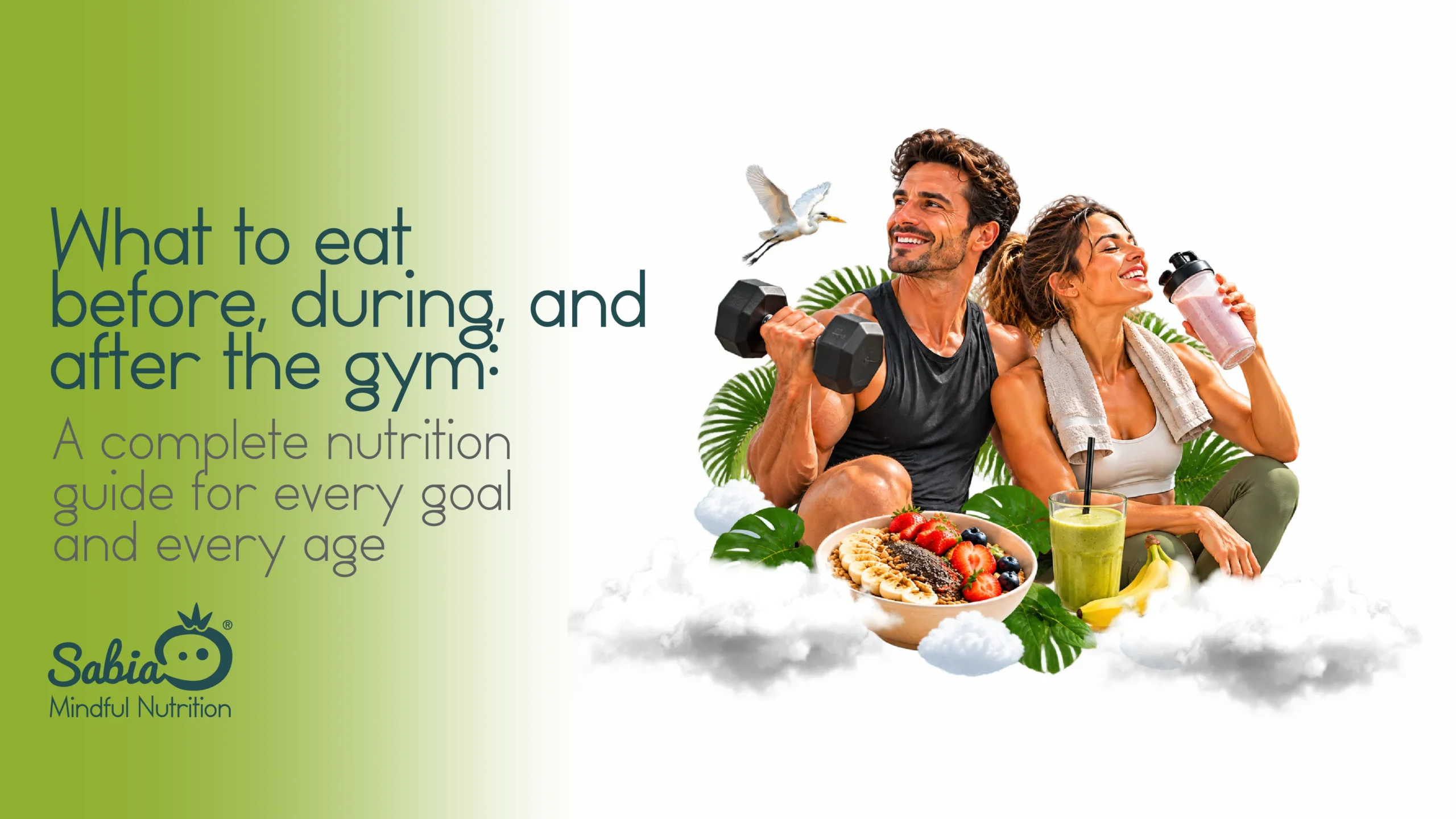
What to Eat Before, During, and After the Gym: A Complete Nutrition Guide for Every Goal and Every Age
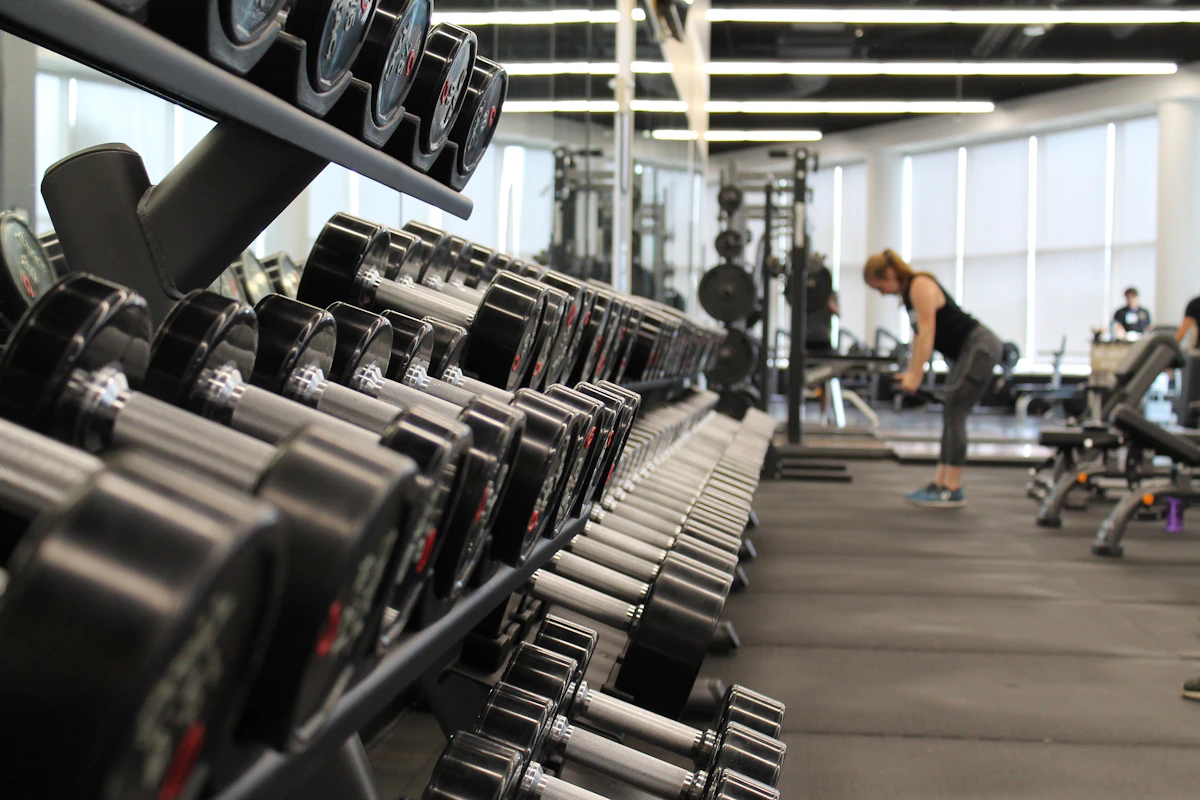 Going to the gym is only one part of achieving your health goals.What you eat around your workouts can influence your energy, performance, recovery, muscle maintenance, and long-term results.
However, nutrition around exercise is often confusing.
Should you eat before training?
Do you need protein immediately after your workout?
Are carbohydrates necessary?
Does the strategy change when you are 25, 40, or 60 years old?
The answer is yes.
Your body’s needs can change depending on your age, your training style, your goals, and your overall lifestyle.
At Sabia Nutrition, we believe fitness nutrition should not be complicated. The foundation remains the same:
Quality ingredients, enough protein, balanced carbohydrates, healthy fats, and consistency.
This guide explains what to eat before, during, and after the gym depending on your personal goal, whether you are trying to build muscle, lose fat, improve endurance, or maintain a healthier body as you age.
Why Workout Nutrition Matters After Age 25

Many people think nutrition for exercise only matters for professional athletes.
That is not true.
Starting around the mid-20s, lifestyle factors begin playing a larger role in maintaining muscle mass, metabolism, recovery, and overall health.
While aging itself is natural, losing muscle and strength is not something we should simply accept.
Resistance training combined with adequate nutrition is one of the strongest strategies for maintaining a healthy body throughout life.
Research consistently shows that protein intake, resistance exercise, and overall diet quality are important factors for supporting muscle protein synthesis and healthy aging.
This becomes even more relevant after age 40 and especially after 50, when preserving muscle becomes a major health priority.
Before the Gym: What Should You Eat Before Training? ⚡
The goal of a pre-workout meal is simple:
Give your body the fuel it needs to perform.
The ideal meal depends on the type of workout, the time available before training, and your personal goals.
The Basic Formula:
- Carbohydrates for energy.
- Protein to support muscle.
- Moderate fat depending on timing.
- Enough hydration.
If You Train 2–3 Hours Before:
A complete meal works best.
Examples:
- Chicken with rice and vegetables.
- Salmon with sweet potato.
- Greek yogurt with oats and berries.
- Eggs with whole grain toast and avocado.
If You Train Within 30–60 Minutes:
Choose something lighter and easier to digest.
- Banana with Greek yogurt.
- Protein smoothie with fruit.
- Toast with nut butter.
- Small oatmeal portion with protein.
The goal is not eating the biggest meal possible.
The goal is arriving at your workout energized and comfortable.
Pre-Workout Nutrition Based on Your Goal 🎯
💪 Goal 1: Build Muscle and Increase Strength
For muscle growth, your body needs enough energy and protein availability.
A strong pre-workout option:
- Protein source.
- Carbohydrates.
- Enough calories to support training.
Example:
Chicken bowl with rice, vegetables, and healthy fats.
🔥 Goal 2: Fat Loss
Fat loss does not mean eliminating food before exercise.
A common mistake is training with very little fuel and then experiencing stronger cravings later.
A better approach:
- High protein.
- Controlled carbohydrates.
- Nutrient-dense foods.
Example:
Greek yogurt with berries and chia seeds.
🏃 Goal 3: Improve Endurance
For longer workouts, carbohydrates become especially important because they are a primary fuel source during higher-intensity activity.
Example:
Oats with fruit before training.
🌱 Goal 4: Healthy Aging and Maintaining Muscle
For adults 50+, the focus shifts toward protecting muscle quality, strength, and recovery.
A balanced meal with enough protein before exercise can support better training adaptation.
Example:
Eggs, vegetables, and whole-grain carbohydrates.
During the Gym: Do You Need to Eat or Drink Something?

For most people doing regular gym sessions lasting around 45–90 minutes, water is usually enough.
However, nutrition during training can become important for longer or more intense sessions.
Examples include:
- Long endurance workouts.
- High-volume training sessions.
- Athletes training multiple hours per day.
During these situations, carbohydrates and electrolytes may help maintain performance.
Hydration is also essential.
Even mild dehydration can negatively affect exercise performance and perceived effort.
After the Gym: What Should You Eat for Recovery? 💪

Your workout creates the stimulus. Nutrition helps your body adapt.
After exercise, your body begins the recovery process. This is when repairing muscle tissue, restoring energy stores, and adapting to training demands become priorities.
The most important components of a post-workout meal are:
- High-quality protein.
- Carbohydrates to replenish energy.
- Fluids and electrolytes when needed.
- Micronutrients from whole foods.
A common misconception is that you must consume protein immediately after your workout or you will lose progress.
Research has shown that while timing can play a role, your total daily protein intake and overall nutrition pattern are much more important.
In other words:
The meal you eat after training matters, but what you eat throughout the entire day matters even more.
Post-Workout Meal Examples:
- Chicken, quinoa, and vegetables.
- Salmon with sweet potato and greens.
- Greek yogurt with berries and nuts.
- Protein smoothie with fruit.
- Eggs with whole grain toast and avocado.
Post-Workout Nutrition Based on Your Goal 🎯
💪 Building Muscle and Strength
If your goal is increasing muscle mass, recovery nutrition should prioritize:
- Adequate protein.
- Enough total calories.
- Carbohydrates to support training volume.
Example:
Grilled chicken, brown rice, vegetables, and olive oil.
🔥 Fat Loss and Body Composition
A successful fat-loss strategy is not about eating as little as possible.
The goal is maintaining muscle while reducing excess body fat.
Prioritize:
- High protein meals.
- High-fiber foods.
- Controlled portions.
- Consistent habits.
Example:
Protein bowl with vegetables, legumes, and healthy fats.
🏃 Endurance and Performance
People who train for running, cycling, sports, or longer workouts often need more carbohydrates to restore glycogen levels.
Example:
Salmon with potatoes, vegetables, and fruit.
🌱 Healthy Aging and Muscle Preservation
After age 50, maintaining muscle becomes one of the most important health priorities.
Resistance training combined with sufficient protein intake can help support strength, mobility, and independence.
Example:
Eggs, vegetables, Greek yogurt, and whole grains.
How Much Protein Do You Need Around Your Workouts?

Protein is one of the most important nutrients for anyone who trains regularly.
It supports:
- Muscle repair.
- Muscle growth.
- Recovery.
- Healthy aging.
For active adults, research commonly supports a daily protein intake around 1.4–2.0 grams per kilogram of body weight depending on training goals and individual needs.
For many adults, spreading protein throughout the day is a practical strategy.
Examples:
- Breakfast: Eggs or Greek yogurt.
- Lunch: Chicken, fish, tofu, or legumes.
- Dinner: Lean protein with vegetables.
- Snacks: Protein-rich options when needed.
The goal is consistency, not perfection.
Nutrition After 50: Why Exercise and Food Become Even More Important

Many people assume that losing muscle and slowing down are unavoidable parts of aging.
But lifestyle choices can significantly influence how we age.
For adults over 50, the combination of strength training and proper nutrition becomes especially valuable.
Important priorities include:
- Eating enough protein.
- Maintaining resistance training.
- Eating colorful fruits and vegetables.
- Supporting bone health.
- Staying hydrated.
A healthy body at 60, 70, or beyond is often built through habits established decades earlier.
It is never too late to start.
Common Workout Nutrition Mistakes to Avoid
Mistake #1: Training Hard but Under-Eating
Some people exercise consistently but do not provide enough fuel for recovery.
This can affect energy, performance, and long-term progress.
Mistake #2: Only Focusing on Supplements
Protein powders and supplements can be useful tools, but they should complement a strong nutrition foundation.
Real foods provide additional nutrients that supplements cannot fully replace.
Mistake #3: Ignoring Carbohydrates
Carbohydrates are not the enemy.
They are an important energy source, especially for people who train regularly.
Mistake #4: Forgetting Hydration
Water is essential for performance, temperature regulation, and recovery.
The Sabia Nutrition Approach to Fitness Meals 🌱
At Sabia Nutrition, we believe fitness nutrition should be realistic.
The best meal plan is not the most extreme one. It is the one that helps you create habits you can maintain.
A balanced fitness meal should include:
- Quality protein.
- Nutrient-rich carbohydrates.
- Healthy fats.
- Vegetables and natural ingredients.
Whether your goal is building muscle, losing fat, improving performance, or maintaining health as you age, the foundation remains the same:
Eat better. Train consistently. Recover properly.
Your Workout Starts Before You Enter the Gym
Exercise is important, but nutrition determines how well your body responds to that effort.
What you eat before training influences your energy.
What you consume after training supports recovery.
What you eat every day determines your long-term results.
From your 20s to your 60s and beyond, the goal is not chasing perfection. It is building a body that supports the life you want to live.
Smart training combined with balanced nutrition is one of the strongest investments you can make in your future health.
Sabia Nutrition: Real food to support real goals.
References
