

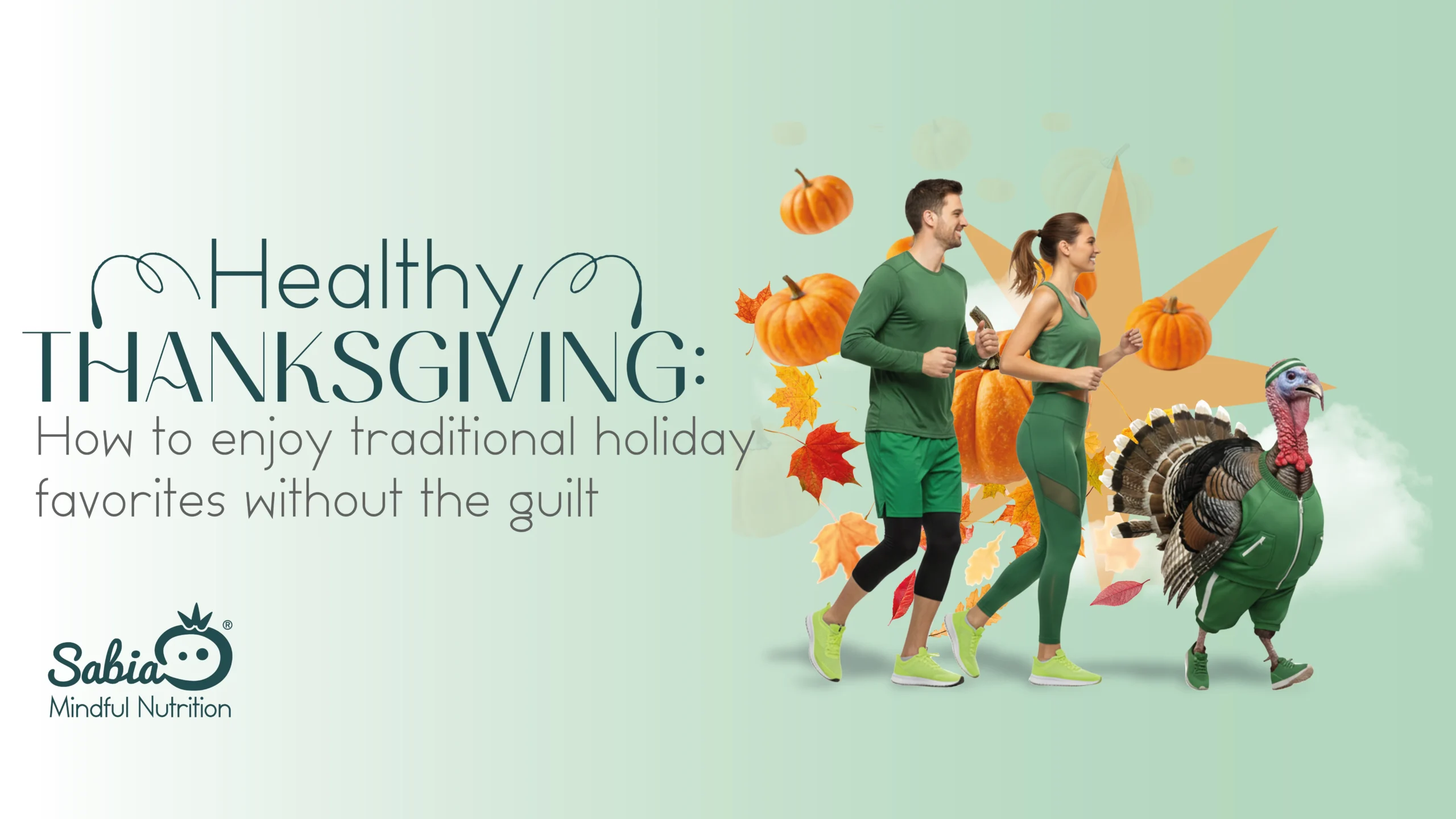
Healthy Thanksgiving: How to Enjoy Traditional Holiday Favorites Without the Guilt
Why a Healthier Thanksgiving Matters More Than Ever
Thanksgiving is one of the most beloved holidays in the United States. It brings family, connection and comfort food to the table—but it also brings excess. According to the Calorie Control Council, the average American consumes between 3,000 and 4,500 calories in a single Thanksgiving meal, not including snacks and drinks. For many people, this leads to bloating, blood sugar spikes, fatigue, and the feeling of being “off” for days.
But here’s the good news: you don’t have to give up the traditional flavors you love to enjoy a healthier Thanksgiving. With a few strategic choices, you can keep the heart of the holiday intact—while supporting your metabolic health, energy, digestion and long-term well-being.
This guide covers five evidence-based strategies to upgrade your Thanksgiving meal without losing its essence.
1. Rethink the Turkey: Flavor First, Not Fat First
Turkey is naturally a lean source of protein, which makes it one of the easiest parts of the meal to keep healthy. The challenge comes from the cooking method.
Healthy, Traditional Approach
Roasting the turkey with fresh herbs like rosemary, sage and thyme, garlic, and citrus creates deep flavor with minimal added fat. Instead of traditional butter injections or heavy basting, consider using a mixture of olive oil, broth and herbs.
Why It Helps
Olive oil contains heart-healthy monounsaturated fats linked to lower inflammation and better metabolic markers (Harvard School of Public Health, 2022).
Lean protein also stabilizes appetite, helps regulate blood sugar and prevents overeating later in the meal.
2. Upgrade the Sides: Familiar Taste, Better Ingredients
Sides often bring the most indulgence: stuffing, mashed potatoes, casseroles, and buttery rolls. But they’re also the easiest place to create meaningful improvements without sacrificing flavor.
Healthy Stuffing Swap
Instead of boxed stuffing, prepare a homemade version using:
-
Whole-grain or sourdough bread
-
Celery, carrots and onion sautéed in olive oil
-
Low-sodium broth
-
Fresh herbs
-
Nuts or seeds for crunch
Whole grains provide more fiber, improving satiety and digestion (American Journal of Clinical Nutrition, 2020).
Mashed Potatoes Without the Crash
Make mashed potatoes with:
-
Yukon potatoes
-
A smaller portion of butter
-
Greek yogurt for creaminess and protein
-
A splash of broth
Greek yogurt reduces calories, adds probiotics and improves the glycemic impact.
Green Bean Casserole: The Modern Way
Replace canned soup and fried onions with:
-
Fresh green beans
-
A homemade mushroom sauce made with broth and a touch of milk
-
Toasted panko breadcrumbs
This keeps the dish flavorful but reduces sodium and unhealthy fats.
3. Sweet Potatoes: Keep the Tradition, Skip the Sugar
Sweet potato casseroles loaded with marshmallows and brown sugar are iconic—but extremely sugary.
A Healthier Yet Traditional Option
Try roasted sweet potatoes with:
-
Cinnamon
-
Nutmeg
-
A drizzle of maple syrup
-
Toasted pecans
Cinnamon has been linked to better blood sugar control (Journal of Medicinal Food, 2019). Sweet potatoes already contain natural sweetness, making added sugar unnecessary.
This version still hits the warm, nostalgic flavor notes of fall—without dessert-level sugar.
4. Be Mindful With Dessert: Choose One, Enjoy It Fully
Dessert is often the biggest caloric contributor. Pumpkin pie, pecan pie, apple pie, cookies, and whipped toppings can add more than 1,200 calories to the meal.
Healthy Dessert Strategy
Instead of skipping dessert (which rarely works), choose one dessert you really love and enjoy it mindfully.
Smart Dessert Swaps
-
Use whole-grain or almond-flour crusts.
-
Reduce sugar by 20%—most recipes don’t need the full amount.
-
Serve with Greek yogurt instead of ice cream or heavy whipped cream.
Pumpkin itself is a nutrient-dense food rich in vitamin A, fiber and antioxidants (USDA, 2023). The key is the preparation.
5. Manage Portions and Timing for Better Metabolic Health
Thanksgiving overeating doesn’t happen because people love food too much—it happens because they arrive at the meal starving and eat rapidly.
Better Timing Tips
-
Eat breakfast: A protein-rich breakfast reduces blood sugar spikes later (University of Missouri study, 2015).
-
Don’t skip lunch: A light meal with protein and vegetables prevents overeating at dinner.
-
Start with vegetables: Begin your plate with greens, Brussels sprouts, or salad to create volume and fiber.
Why This Works
Eating fiber and protein before carbohydrates slows stomach emptying and reduces glucose spikes (Diabetes Care, 2017).
6. Add Movement to Your Thanksgiving Tradition
Movement has a significant impact on post-meal metabolism. A 10- to 15-minute walk after eating improves glucose control and reduces fatigue (Sports Medicine Journal, 2022).
Thanksgiving Movement Ideas
-
Walk with family before dessert
-
Take a post-meal stroll around the neighborhood
-
Play football or outdoor games
It doesn’t need to be intense—just consistent.
7. Create a Healthy Thanksgiving Mindset
The goal is not to make Thanksgiving feel restrictive. Food is emotional and cultural, and enjoying it is part of the celebration.
A healthier Thanksgiving simply means:
-
Less discomfort
-
More energy
-
Better digestion
-
A calmer blood sugar response
-
No “holiday hangover”
You’re not removing tradition—you’re elevating it.
A healthy Thanksgiving doesn’t require sacrificing flavor or heritage. With simple ingredient swaps, better portion awareness, and small lifestyle adjustments, you can enjoy everything you love while supporting your metabolic health.
The key is balance: combining tradition with intention.
Whether you’re hosting or attending, these ideas help you leave the table feeling satisfied, energized and grateful—not sluggish or overwhelmed.

Sources
-
Calorie Control Council. Thanksgiving Meal Average Calories Report.
-
Harvard School of Public Health. Nutrition and Healthy Fats, 2022.
-
American Journal of Clinical Nutrition, Whole-grain Consumption Study, 2020.
-
Journal of Medicinal Food, Effects of Cinnamon on Blood Sugar, 2019.
