




Insulin Resistance, Healthy Meals, and Longevity: How to Manage It with Lifestyle
Insulin resistance is one of the leading factors behind chronic diseases such as type 2 diabetes, heart disease, and metabolic syndrome. Yet, it’s a condition that often goes undiagnosed until its effects start to show. Insulin resistance occurs when the body’s cells no longer respond properly to insulin, resulting in elevated blood sugar levels.
While genetics play a role, lifestyle choices—especially diet and physical activity—are crucial for managing and even reversing insulin resistance. In this article, we’ll explore how you can manage insulin resistance with healthy meals and lifestyle changes, and how doing so can support longevity and overall well-being.
1. What is Insulin Resistance?
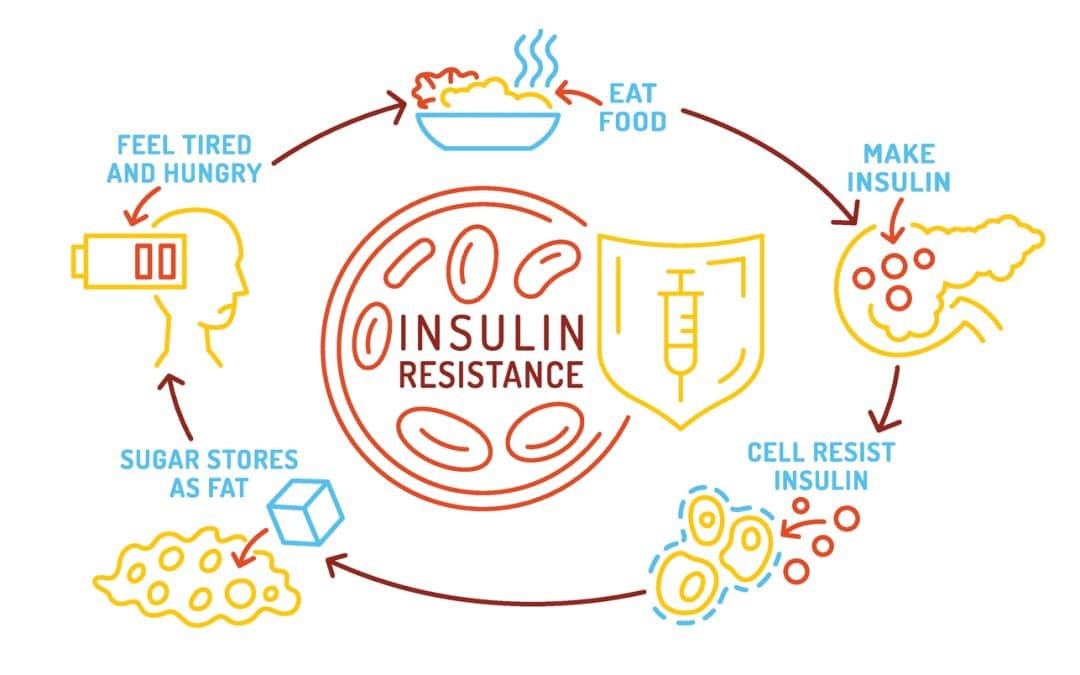
Insulin is a hormone produced by the pancreas that allows glucose (sugar) from food to enter cells and be used as energy. Insulin resistance occurs when the body’s cells become less responsive to insulin, forcing the body to produce more of it to maintain normal blood sugar levels.
As the pancreas compensates for the resistance, it produces more insulin, leading to higher insulin levels (hyperinsulinemia). Over time, the excess insulin in the bloodstream can contribute to the development of various health problems.
Key Symptoms of Insulin Resistance:
- Fatigue
- Increased hunger
- Weight gain, especially around the abdomen
- Difficulty losing weight
- Frequent cravings for sugary foods
2. How Diet Plays a Key Role in Managing Insulin Resistance
The food we eat directly affects our insulin sensitivity. Diets high in processed foods, refined sugars, and simple carbohydrates can worsen insulin resistance, while whole foods, fiber-rich vegetables, and lean proteins help improve insulin sensitivity.
Healthy Meals for Insulin Resistance
A balanced, whole-foods diet is essential for managing insulin resistance and promoting longevity. The goal is to choose foods that regulate blood sugar levels and support healthy insulin function.
Foods to Focus On:
1. High-Fiber Vegetables and Fruits
Fiber slows down the absorption of sugar into the bloodstream, helping to prevent spikes in blood glucose levels. Aim for non-starchy vegetables like spinach, broccoli, kale, and cauliflower. Berries, apples, and citrus fruits are also excellent sources of fiber.
2. Whole Grains
Whole grains such as quinoa, brown rice, oats, and barley are packed with fiber, which helps stabilize blood sugar levels. These foods are digested more slowly, providing a steady release of energy without sharp spikes in insulin.
3. Lean Proteins and Healthy Fats
Incorporating lean proteins (chicken, turkey, tofu, or fish) and healthy fats (avocado, nuts, seeds, and olive oil) into your meals can help regulate blood sugar and reduce insulin resistance. These foods also provide sustained energy throughout the day.
4. Anti-Inflammatory Foods
Chronic inflammation can worsen insulin resistance. Anti-inflammatory foods like turmeric, ginger, green tea, and fatty fish (salmon, mackerel) can help reduce inflammation and improve insulin sensitivity.
Foods to Avoid:
1. Refined Sugars and Carbohydrates
Foods high in refined sugars and simple carbs (like white bread, pastries, sodas, and candies) cause rapid increases in blood glucose levels, leading to insulin resistance over time.
2. Processed and Packaged Foods
Many processed foods contain unhealthy fats, sugars, and additives that can exacerbate insulin resistance. Avoid foods like fried snacks, packaged pastries, and fast food.
3. The Role of Physical Activity in Managing Insulin Resistance
Exercise plays a critical role in managing insulin resistance. Physical activity helps the body use glucose for energy, reducing the amount of insulin needed to maintain blood sugar levels.
Effective Types of Exercise:
- Aerobic exercise (walking, jogging, swimming) can help improve insulin sensitivity.
- Strength training (lifting weights or resistance exercises) increases muscle mass, which helps the body absorb glucose more effectively.
- High-intensity interval training (HIIT) has been shown to significantly improve insulin sensitivity in a short amount of time.
Exercise Tips for Managing Insulin Resistance:
- Aim for at least 150 minutes of moderate-intensity aerobic exercise per week.
- Include strength training at least two days a week.
- Incorporate HIIT for efficient fat burning and insulin sensitivity improvement.

4. Managing Stress and Sleep for Better Insulin Sensitivity
Both stress and lack of sleep can contribute to insulin resistance by increasing the production of stress hormones (like cortisol), which interfere with the body’s ability to use insulin effectively.
Stress Management:
- Meditation, yoga, and deep breathing exercises can help lower stress hormones and improve insulin sensitivity.
- Practicing relaxation techniques can also improve overall well-being, reduce inflammation, and support the body’s natural detox systems.
Sleep Quality:
- Aim for 7-9 hours of quality sleep per night.
- Poor sleep is linked to insulin resistance, so improving sleep hygiene by maintaining a consistent sleep schedule and creating a restful sleep environment is essential.
5. Longevity and Insulin Resistance
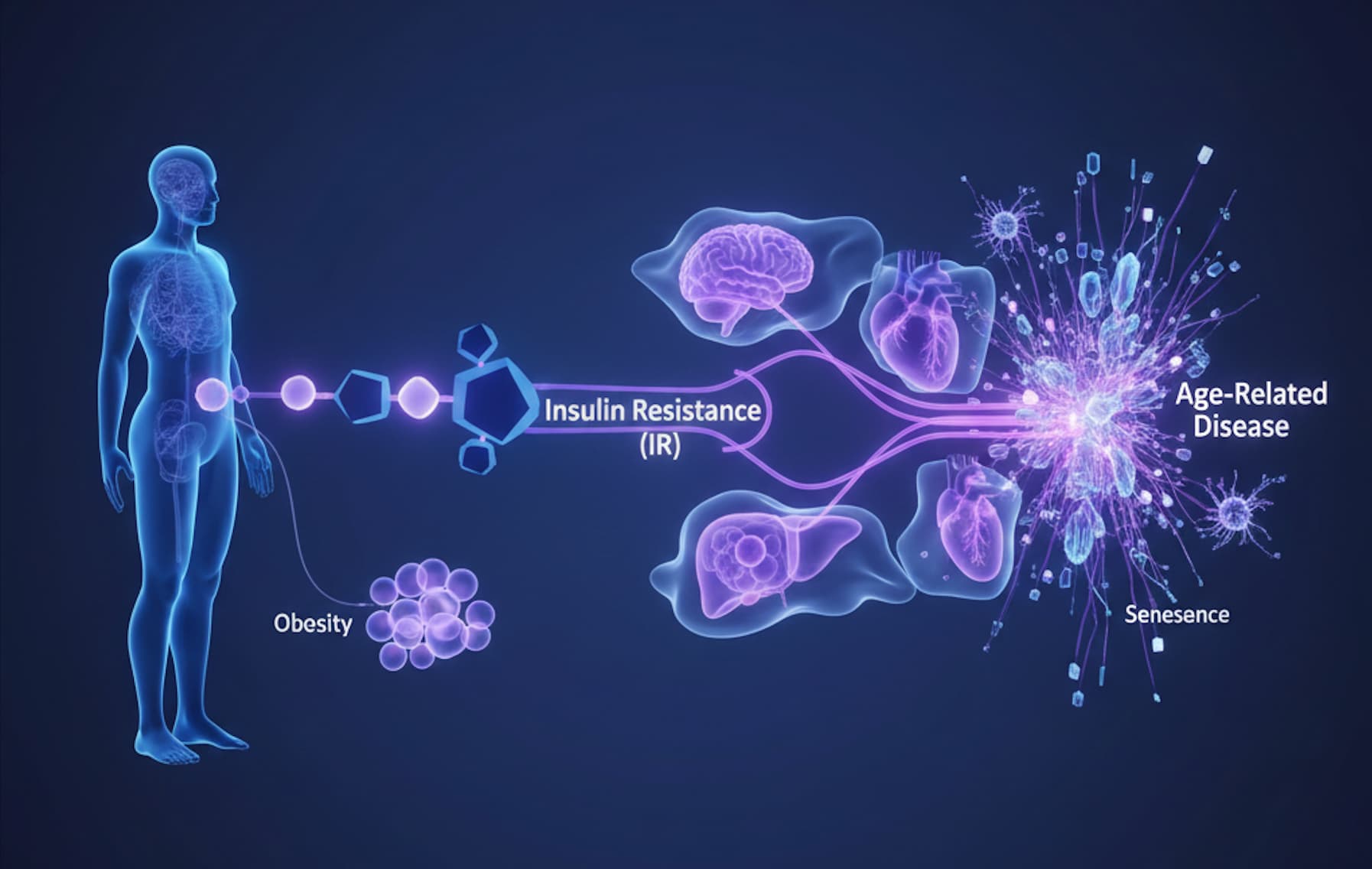
Managing insulin resistance through diet, exercise, and lifestyle changes is not only important for weight management but also for promoting longevity. By maintaining stable insulin levels and improving insulin sensitivity, you can reduce the risk of chronic diseases, enhance overall health, and improve quality of life as you age.
Insulin resistance is a condition that can be managed and even reversed with the right lifestyle changes. Focusing on a diet rich in whole foods, healthy fats, lean proteins, and fiber, along with regular physical activity and stress management, can significantly improve insulin sensitivity and promote long-term health. Embrace these changes today, and you’ll be on your way to not only managing insulin resistance but improving your overall health and longevity.
References / Bibliography
- Insulin Resistance and Metabolic Syndrome: A Review (2018). Journal of Clinical Endocrinology & Metabolism.
- Dietary Interventions in the Management of Insulin Resistance (2017). Nutrients Journal.
- Physical Activity and Insulin Resistance: A Comprehensive Review (2019). Frontiers in Endocrinology.
