

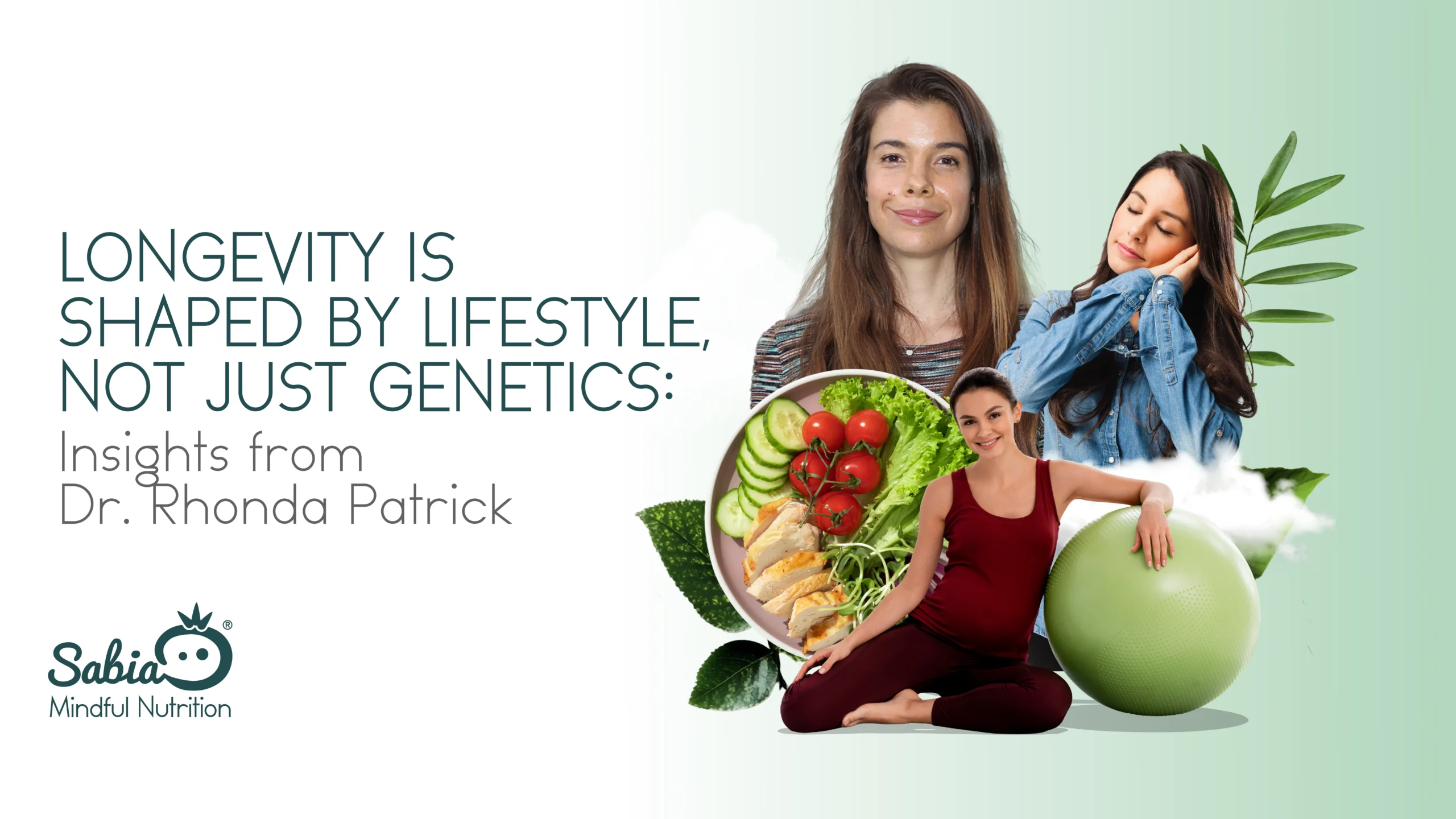
Longevity is shaped by lifestyle, not just genetics: Insights from Dr. Rhonda Patrick
When most people think about longevity — the length and quality of life, they often assume it’s mostly determined by genetics. After all, many of us look at our parents or grandparents and wonder whether we will age the same way. However, scientific research and expert voices, such as Dr. Rhonda Patrick, a biomedical scientist specializing in aging, nutrition, and human health, emphasize a different reality: lifestyle factors have a stronger influence on how we age than our genes.
In this article, we’ll explore why lifestyle beats genetic destiny when it comes to longevity, what factors matter most, and how you can take actionable steps today to live longer — and better.
Genetics vs. Lifestyle: How Much Control Do You Really Have?
It’s true that genetics sets the baseline potential for our lifespan, something like the foundation of a house. But what really determines how that house turns out is how it’s built and maintained. Dr. Rhonda Patrick often explains that although your genes influence certain traits, they do not irrevocably determine your destiny.
One way to think about it is this: your genes might “load the gun,” but your diet, habits, and environment pull the trigger.”
Recent research supports this view. For example, in research comparing identical and fraternal twins, scientists noted that while genetics may account for a portion of lifespan differences, lifestyle and environmental factors often have the greatest impact on health and longevity—especially when it comes to healthspan, the number of years lived in good health.
Lifestyle Factors That Truly Influence Longevity
The beauty of focusing on lifestyle is that it gives you agency — you can do something about it. Here are the key factors Dr. Patrick and longevity researchers emphasize:
🍏 1. Nutrition and Metabolic Health
Diet is one of the most powerful determinants of longevity. Dr. Patrick highlights that eating nutrient-rich, whole foods helps regulate metabolic pathways involved in aging.
Healthy eating supports:
-
Balanced insulin levels
-
Reduced chronic inflammation
-
Improved cell repair mechanisms
-
Healthy body composition
These factors are all linked to a lower risk of age-related diseases like diabetes and heart disease.
By contrast, diets high in sugar, processed foods, and excessive calories accelerate metabolic dysfunction and inflammation — conditions that contribute to faster aging.
🏃♂️ 2. Physical Activity and Movement
Consistent physical activity isn’t just good for your waistline, it fundamentally shifts the biology of aging. Exercise:
-
Improves cardiovascular health
-
Enhances cellular energy production
-
Boosts brain function
-
Reduces chronic inflammation
Dr. Patrick often talks about how exercise increases neurogenesis — the birth of new brain cells — and improves overall metabolic function.
People who stay active throughout life show lower rates of age‑related decline and live more years free of disability.
😴 3. Sleep and Recovery
Sleep is not a luxury — it’s a biological requirement for healthy aging. During sleep, the body:
-
Clears brain waste via the glymphatic system
-
Repairs DNA
-
Regulates hormones
-
Balances metabolism
Chronic sleep deprivation disrupts these processes and is linked to accelerated aging and increased disease risk. Prioritizing sleep (7–9 hours nightly) is one of the most effective longevity strategies you can adopt.
🧠 4. Stress Management and Mental Health
Chronic stress accelerates aging by increasing inflammation and hormonal imbalance. Practices like mindfulness, meditation, and social connection have been shown to buffer the effects of stress on the body.
Good mental health supports resilience — both emotional and physical — and is a key component of aging well.
Rhonda Patrick’s Longevity Framework: What the Science Says
Dr. Patrick’s approach to aging emphasizes that genes are a starting point, not a destiny. Her research and public discussions often cover how lifestyle can silence or amplify genetic tendencies through:
-
Epigenetic regulation — where lifestyle changes can influence how genes are expressed
-
Micronutrient sufficiency — ensuring vitamins and minerals support DNA repair and mitochondrial function
-
Caloric intake and metabolic signaling — which affects pathways like mTOR, AMPK, and IGF‑1 that are involved in aging biology
Simply put: your habits — what you eat, how you move, how you sleep, and manage stress — shape the biological processes that determine how well you age.
Real‑World Impact: What This Means for Your Healthspan
The distinction between lifespan (years lived) and healthspan (years lived in good health) matters. People may live into their 80s or 90s, but if those years are plagued by chronic disease and disability, the quality of life is compromised.
A lifestyle focused on healthy living supports:
-
Reduced risk of heart disease, diabetes, and cancer
-
Better cognitive function with age
-
Stronger immune resilience
-
Sustained physical strength and mobility
These outcomes, more than any genetic predisposition, define a long and healthy life.
Practical Steps to Influence Your Longevity
Here are actionable lifestyle changes based on Dr. Patrick’s science‑supported recommendations:
🥗 Eat Real, Nutrient‑Dense Foods
Prioritize whole foods like vegetables, lean proteins, nuts, seeds, and fermented foods. Limit sugar and processed foods that drive inflammation.
🏃 Move Every Day
Aim for a mix of aerobic exercise, strength training, and movement throughout the day — every bit adds up.
💤 Optimize Sleep
Maintain consistent sleep schedules and keep the environment free of light and noise to support deep rest.
🧘 Manage Stress
Incorporate mindfulness, social connection, journaling or relaxation techniques to reduce chronic stress.
🧬 Stay Engaged and Stimulated
Lifelong learning, hobbies, and cognitive challenges strengthen the brain and foster resilience.
Longevity is not written solely in your DNA — it’s shaped by the everyday choices you make. While genetics play a role, lifestyle factors are far more influential in determining how long and how well you live. By focusing on diet, movement, sleep, and stress management, you can significantly influence your healthspan.
In well‑designed studies and expert commentary from scientists like Dr. Rhonda Patrick, the message is clear: your habits matter more than your genetic starting point. Armed with that knowledge, you now have the power to make choices that support a longer, healthier life.
References / Bibliography
-
Science‑based research shows genetics and lifestyle both affect lifespan, but lifestyle plays a key role in health and longevity. prevention.com
-
Dr. Rhonda Patrick emphasizes that daily habits profoundly influence health and longevity more than DNA alone. x.com
-
Research and summaries indicate that while genetics set baseline potential, lifestyle has greater influence on aging and longevity outcomes. stevenbartlett.com
-
Scientific sources discuss nutrition, metabolic health, and lifestyle factors crucial for healthy aging. foundmyfitness.com
