

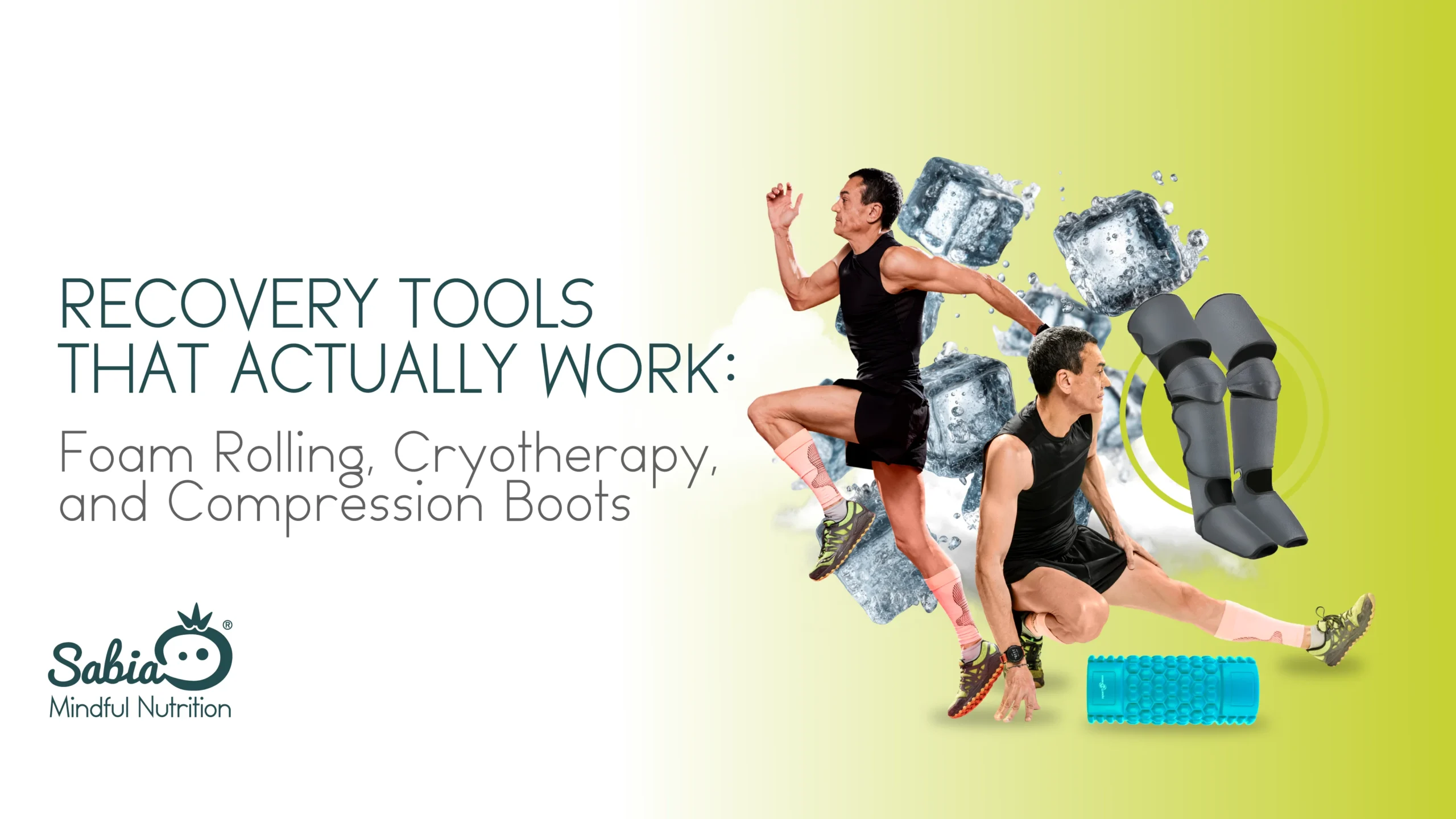
Recovery Tools That Actually Work: Foam Rolling, Cryotherapy, Compression Boots
In the world of fitness and sports, recovery is just as important as the workout itself. Whether you’re a professional athlete or someone who enjoys regular exercise, proper recovery can prevent injuries, enhance performance, and speed up muscle repair. With a variety of tools available for recovery, it can be overwhelming to know which ones actually work. In this article, we will explore three of the most popular and effective recovery tools: foam rolling, cryotherapy, and compression boots. Let’s dive into how each of these methods can help improve your recovery process and overall performance.
1. Foam Rolling: The Self-Massage You Need
What Is Foam Rolling?
Foam rolling is a type of self-myofascial release (SMR) that involves rolling a foam roller over your muscles to relieve tension and tightness. The pressure from the foam roller helps to break down muscle knots (also known as “trigger points”) and improve blood flow, which accelerates the healing process.
How Foam Rolling Works
When you roll a foam roller over a muscle, the pressure helps release built-up tension and tightness in the fascia (the connective tissue surrounding muscles). This release can improve muscle flexibility, enhance range of motion, and alleviate soreness after workouts. Foam rolling also promotes lymphatic drainage, reducing inflammation and speeding up recovery time.
Benefits of Foam Rolling
-
Reduces muscle soreness and tightness
-
Improves flexibility and range of motion
-
Boosts circulation and reduces inflammation
-
Prevents injury by improving muscle elasticity
How to Foam Roll
Start by positioning the foam roller on the muscle group you want to target, such as your calves, quads, or back. Slowly roll back and forth, applying as much pressure as feels comfortable, and focus on areas of tension.
2. Cryotherapy: Freezing Your Way to Faster Recovery
What Is Cryotherapy?
Cryotherapy involves exposing the body to extremely cold temperatures for a short period (typically 2-3 minutes). The most common method is whole-body cryotherapy, where the person enters a cryo chamber, or localized cryotherapy, where cold is applied to a specific part of the body using a device or ice pack.
How Cryotherapy Works
When exposed to cold temperatures, the body’s blood vessels constrict to preserve core temperature. After exiting the cold chamber, the vessels dilate, causing a rush of oxygenated blood to the muscles. This process helps reduce inflammation and pain, promoting faster healing and recovery.
Benefits of Cryotherapy
-
Reduces inflammation and muscle soreness
-
Boosts recovery time after intense exercise
-
Speeds up healing by increasing blood circulation
-
Enhances mental clarity and reduces fatigue
How to Use Cryotherapy
For whole-body cryotherapy, a person enters a cryo chamber for 2-3 minutes at temperatures ranging from -200 to -300°F. For localized cryotherapy, targeted cold therapy is applied to the area of pain or soreness.
3. Compression Boots: Boosting Circulation and Recovery
What Are Compression Boots?
Compression boots, also known as pneumatic compression devices, use air pressure to massage the legs and stimulate blood flow. They work by applying cyclical compression to the lower body, encouraging lymphatic drainage and reducing muscle inflammation.
How Compression Boots Work
Compression boots are worn over the legs, and air is pumped into various chambers of the boots. These chambers inflate and deflate in a rhythmic pattern, mimicking the effect of a massage. The compression helps to flush out metabolic waste from muscles, reduce swelling, and accelerate muscle repair.
Benefits of Compression Boots
-
Speeds up muscle recovery and reduces soreness
-
Improves circulation and boosts oxygen delivery to muscles
-
Reduces swelling and muscle fatigue
-
Enhances lymphatic drainage, reducing inflammation
How to Use Compression Boots
Compression boots are typically used for 20-30 minutes per session. Many fitness centers and physical therapy clinics offer compression therapy as part of their recovery services. You can also invest in a personal compression boot device for use at home.
Which Recovery Tool Is Right for You?
Foam Rolling
Foam rolling is a great choice for individuals who are looking to release muscle tension and improve flexibility. It’s particularly effective for tight muscles and can be done easily at home without any special equipment.
Cryotherapy
Cryotherapy is ideal for those who want to reduce inflammation quickly after an intense workout or injury. It’s perfect for individuals looking to speed up their recovery time and boost their mental clarity.
Compression Boots
Compression boots are best for athletes or anyone looking to enhance circulation and reduce muscle soreness after a high-intensity workout. They are also a great tool for people who experience swelling or fatigue in their legs.
Accelerate Your Recovery
Effective recovery is essential to improving your performance, preventing injury, and maintaining overall health. Tools like foam rolling, cryotherapy, and compression boots offer significant benefits to enhance recovery time, reduce soreness, and boost overall muscle health. Whether you’re an athlete or someone who enjoys regular exercise, incorporating these recovery tools into your routine can make a huge difference in how quickly and effectively you recover.
References / Bibliography
-
Foam Rolling: The Most Effective Self-Massage Tool (2021). Retrieved from https://www.healthline.com.
-
Cryotherapy and Its Benefits for Athletic Recovery (2021). Retrieved from https://www.ncbi.nlm.nih.gov.
-
Compression Therapy for Muscle Recovery: What You Need to Know (2021). Retrieved from https://www.verywellfit.com.
