

The Hidden Dangers in Protein Powders: Lead and Cadmium Exposure
Understanding the Risks of Protein Powders
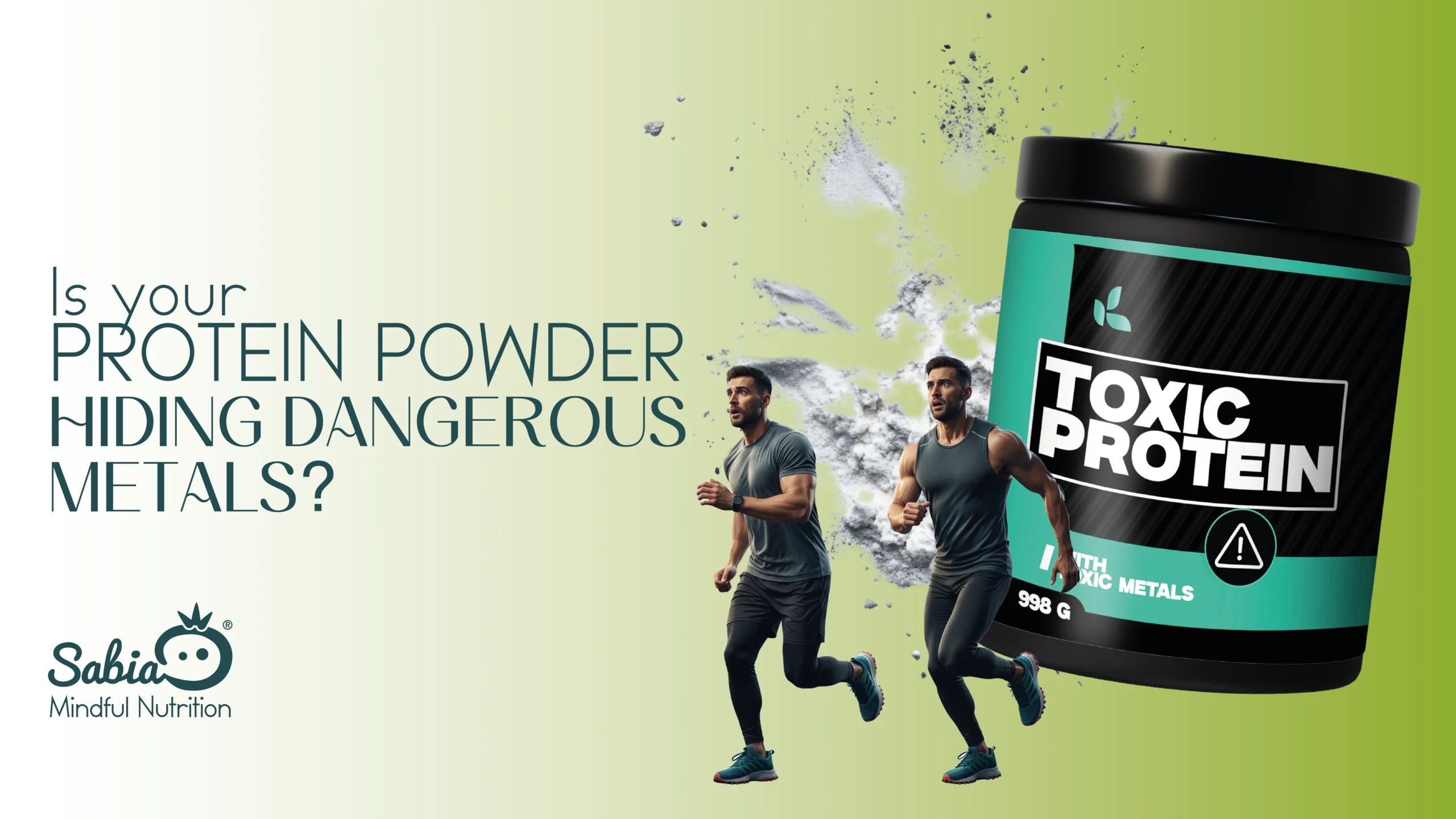
Protein powders are a popular supplement for athletes, fitness enthusiasts, and those looking to increase their daily protein intake. However, recent studies have revealed that some protein powders may contain harmful contaminants, including lead and cadmium—two toxic heavy metals that can negatively impact your health. At Sabiannutrition.com, we delve into the potential risks of consuming contaminated protein powders and how you can protect your health while achieving your fitness goals.
What Are Lead and Cadmium?
Lead and cadmium are toxic metals found in the environment, and they can accumulate in the body over time. These metals have been linked to a range of health issues, from neurological damage to kidney problems. While trace amounts of these metals can naturally occur in soil and water, elevated levels in food products, including protein powders, can pose serious health risks.
-
Lead: Exposure to lead can lead to cognitive issues, high blood pressure, and developmental problems, especially in children and pregnant women.
-
Cadmium: Long-term exposure to cadmium has been associated with kidney damage, bone loss, and an increased risk of cancer.
How Do Protein Powders Get Contaminated?
The contamination of protein powders with lead and cadmium typically occurs during the manufacturing process or as a result of the ingredients used in the powders. Here are the main reasons why protein powders can contain these harmful metals:
-
Contaminated Soil: Plants used to make protein powders, such as peas, rice, and hemp, can absorb heavy metals from the soil where they are grown. If the soil is contaminated with lead or cadmium, these metals can be transferred to the plant and ultimately to the protein powder.
-
Processing Methods: The methods used to process protein powders can also contribute to contamination. For example, rice protein powders tend to have higher levels of cadmium because rice plants naturally absorb more cadmium from the soil than other crops.
The Impact of Lead and Cadmium in Protein Powders
Consuming protein powders with high levels of lead and cadmium can lead to a variety of health problems over time. Here are some potential effects of prolonged exposure to these metals:
-
Cognitive Impairment: Lead exposure, even in small amounts, can interfere with brain function and development, particularly in children. It can result in learning disabilities and behavioral problems.
-
Kidney Damage: Cadmium accumulates in the kidneys and can cause long-term damage, leading to kidney disease and failure.
-
Bone Health: Cadmium can also affect bone density, increasing the risk of fractures and osteoporosis.
-
Cancer Risk: Both lead and cadmium are classified as carcinogens, meaning they can increase the risk of cancer, particularly lung and kidney cancer.
How to Choose Safe Protein Powders
To minimize your exposure to lead and cadmium, it’s crucial to select protein powders that have been tested for contaminants. Here are some tips for choosing a safe protein powder:
-
Look for Third-Party Testing: Choose protein powders that undergo third-party testing to verify the absence of harmful metals. Many reputable brands provide certificates of analysis (COA) to demonstrate that their products are safe and free from contaminants.
-
Select Certified Organic Products: Organic protein powders are generally less likely to contain pesticides and heavy metals, although contamination can still occur in the soil.
-
Choose Plant-Based Protein Sources Carefully: While plant-based proteins like pea or hemp protein are great options, some plant-based proteins—especially rice protein—are more prone to contamination. Be sure to choose trusted brands that rigorously test their products.
Alternative Sources of Protein
If you’re concerned about the potential risks of protein powders, you can get your protein from whole food sources. Here are some healthy, natural protein options:
-
Eggs: A great source of high-quality protein and essential amino acids.
-
Chicken and Fish: Lean animal proteins that provide a full spectrum of amino acids for muscle repair and growth.
-
Legumes: Beans, lentils, and chickpeas are excellent plant-based protein sources.
-
Dairy Products: Milk, yogurt, and cheese provide protein along with calcium and other nutrients.
Protecting Your Health While Fueling Your Body
While protein powders can be an effective way to meet your nutritional needs, it’s important to be aware of the potential risks of contamination with lead and cadmium. By choosing protein powders that have been tested for safety, or by opting for whole food protein sources, you can ensure that your body gets the nutrients it needs without the harmful effects of heavy metal exposure. At Sabiannutrition.com, we are committed to providing you with the knowledge to make informed decisions about your nutrition and overall health.
Article based on the following text Lead and Cadmium May Be in Your Protein Powder: Here’s What You Need to Know https://share.google/Cot4RwXha7xMQvw3x
