

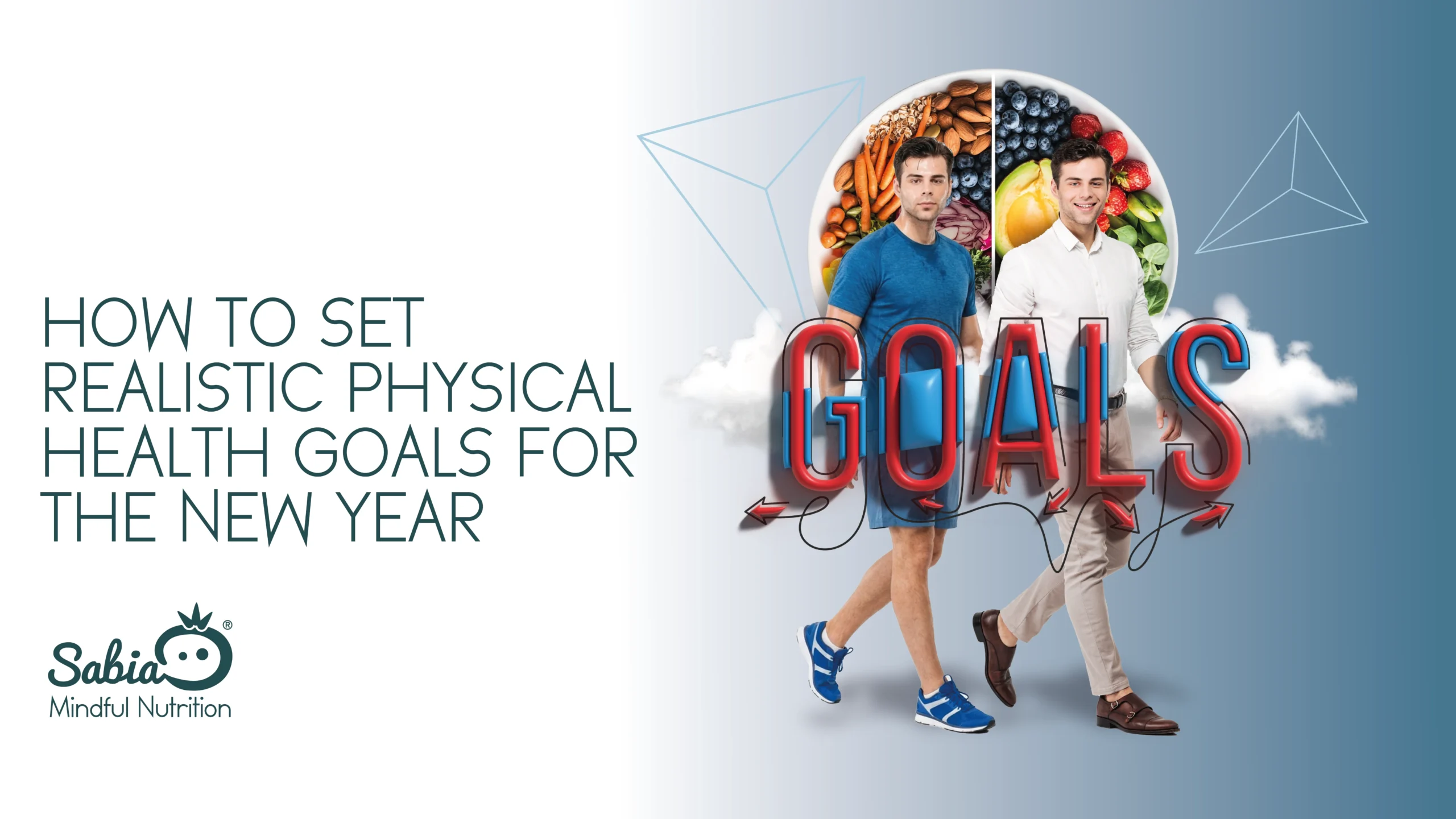
How to Set Realistic Physical Health Goals for the New Year
As the New Year begins, many people focus on improving their health, setting resolutions to get fitter, lose weight, or live a healthier lifestyle. However, the excitement of the new year often leads to unrealistic and overly ambitious health goals. The key to long-term success is setting realistic, achievable physical health goals that are tailored to your lifestyle and can be sustained throughout the year. This guide will walk you through the process of setting realistic health goals for the New Year that will help you transform your habits and achieve your desired health outcomes.
1. Start with Specific and Clear Goals
One of the first steps in setting realistic health goals is to define exactly what you want to achieve. It’s important to be as specific as possible. Instead of vague goals like “lose weight” or “get in shape,” make your goals clear and measurable. Here are some examples:
-
Specific goal: “I want to lose 10 pounds by the end of March through a combination of healthy eating and regular exercise.”
-
Instead of: “I want to lose weight.”
By making your goals specific and measurable, you can track your progress and stay motivated. Clear goals provide a sense of purpose and a roadmap for your actions, making it easier to follow through.
2. Break Big Goals into Small, Achievable Steps
Setting one massive goal can be overwhelming and lead to frustration. To avoid this, break down your larger goals into smaller, manageable steps. This approach makes it easier to stay focused and motivated. For example:
-
Big Goal: “I want to be able to run a 5K by the end of the year.”
-
Smaller Steps: “This week, I will walk 20 minutes daily. In the next month, I will start running 1 minute and walking 4 minutes, and gradually increase the running time.”
Small, consistent steps make the process less daunting and more achievable, helping you build momentum. Breaking down big goals also gives you opportunities for small wins, which can boost your motivation and confidence.
3. Make Your Goals Realistic and Attainable
While it’s great to aim for progress, it’s essential to set goals that are realistic and fit within your current lifestyle. For example, if you’ve never run before, it might be unrealistic to plan to run a marathon in the next month. Instead, set a goal that is more attainable given your current fitness level, such as walking 30 minutes a day or joining a beginner’s yoga class.
Consider your work schedule, family commitments, and other factors when setting goals. Don’t aim for perfection — instead, strive for consistent improvement. Small, sustainable changes lead to long-term success.
4. Focus on Building Healthy Habits, Not Just Results
Rather than only focusing on the end result, try to concentrate on creating habits that will support your health goals. Good health is built on consistent, sustainable habits over time, rather than quick fixes. Here are a few habits you can focus on:
-
Eat a balanced diet 🥗: Aim to include fruits, vegetables, lean proteins, and whole grains in every meal.
-
Exercise regularly 🏃♂️: Start with 3 days a week and increase as you build stamina.
-
Prioritize sleep 😴: Aim for 7–9 hours of sleep each night to support recovery and overall well-being.
-
Stay hydrated 💧: Drink plenty of water throughout the day to stay hydrated and support digestion.
By focusing on habits, you create a solid foundation for health, which makes achieving your goals easier over time. Remember, habits form the backbone of a healthy lifestyle.
5. Track Your Progress and Adjust When Needed
Tracking progress is essential to see how far you’ve come and what changes need to be made. This can be as simple as keeping a fitness journal, using a health app, or taking regular measurements to track weight loss, body measurements, or fitness improvements.
For example, if your goal is to exercise 3 times a week but you notice that it’s too challenging at the start, adjust the frequency or intensity to suit your current fitness level. Tracking your progress allows you to make informed adjustments and celebrate your wins, no matter how small they are.
Tracking also helps you stay accountable and stay committed to your health journey.
6. Be Flexible and Patient
It’s important to remember that life happens, and things won’t always go according to plan. There will be days when you miss a workout, eat unhealthy foods, or don’t feel motivated. This is completely normal, and it doesn’t mean you should give up on your goals.
Instead of focusing on setbacks, practice self-compassion and adaptability. If you miss a workout, reschedule it for the next day. If you have a cheat meal, don’t let it derail your progress. Patience is key when it comes to health, and the more adaptable you are, the easier it will be to get back on track.
7. Celebrate Your Achievements
Along the way, it’s crucial to celebrate even the smallest achievements. This will keep you motivated and remind you that your hard work is paying off. Whether it’s completing your first workout week or eating a healthy meal every day for a month, take time to acknowledge your progress.
Celebrating achievements boosts self-esteem, reinforces your positive habits, and fuels further progress. It’s important to appreciate the journey and not just the destination.
Setting realistic health goals for the New Year doesn’t have to be overwhelming. The key is to start with clear, specific goals and break them down into smaller, attainable steps. Focus on building healthy habits that will support your long-term well-being, and track your progress to stay motivated.
Remember to be patient and flexible as you work toward your goals, and celebrate each milestone along the way. With determination, consistency, and a positive mindset, you can transform your health and achieve your physical health goals for the New Year!
References / Bibliography
-
U.S. Department of Health and Human Services & U.S. Department of Agriculture. (2025). Dietary Guidelines for Americans 2025–2030. Retrieved from https://www.health.gov/dietaryguidelines.
-
World Health Organization (WHO). (2020). Healthy Diet. Retrieved from https://www.who.int/news-room/fact-sheets/detail/healthy-diet.
-
American Heart Association. (2021). Setting Goals for Health and Wellness. Retrieved from https://www.heart.org.
-
National Institutes of Health (NIH). (2019). The Importance of Physical Activity. Retrieved from https://www.nih.gov/news-events/health-information.
-
Mayo Clinic. (2020). Healthy Eating for a Healthy Heart. Retrieved from https://www.mayoclinic.org.
-
Harvard T.H. Chan School of Public Health. (2021). The Nutrition Source – Healthy Eating Plate. Retrieved from https://www.hsph.harvard.edu/nutritionsource.
-
Centers for Disease Control and Prevention (CDC). (2021). Physical Activity Guidelines for Americans. Retrieved from https://www.cdc.gov/physicalactivity.
