

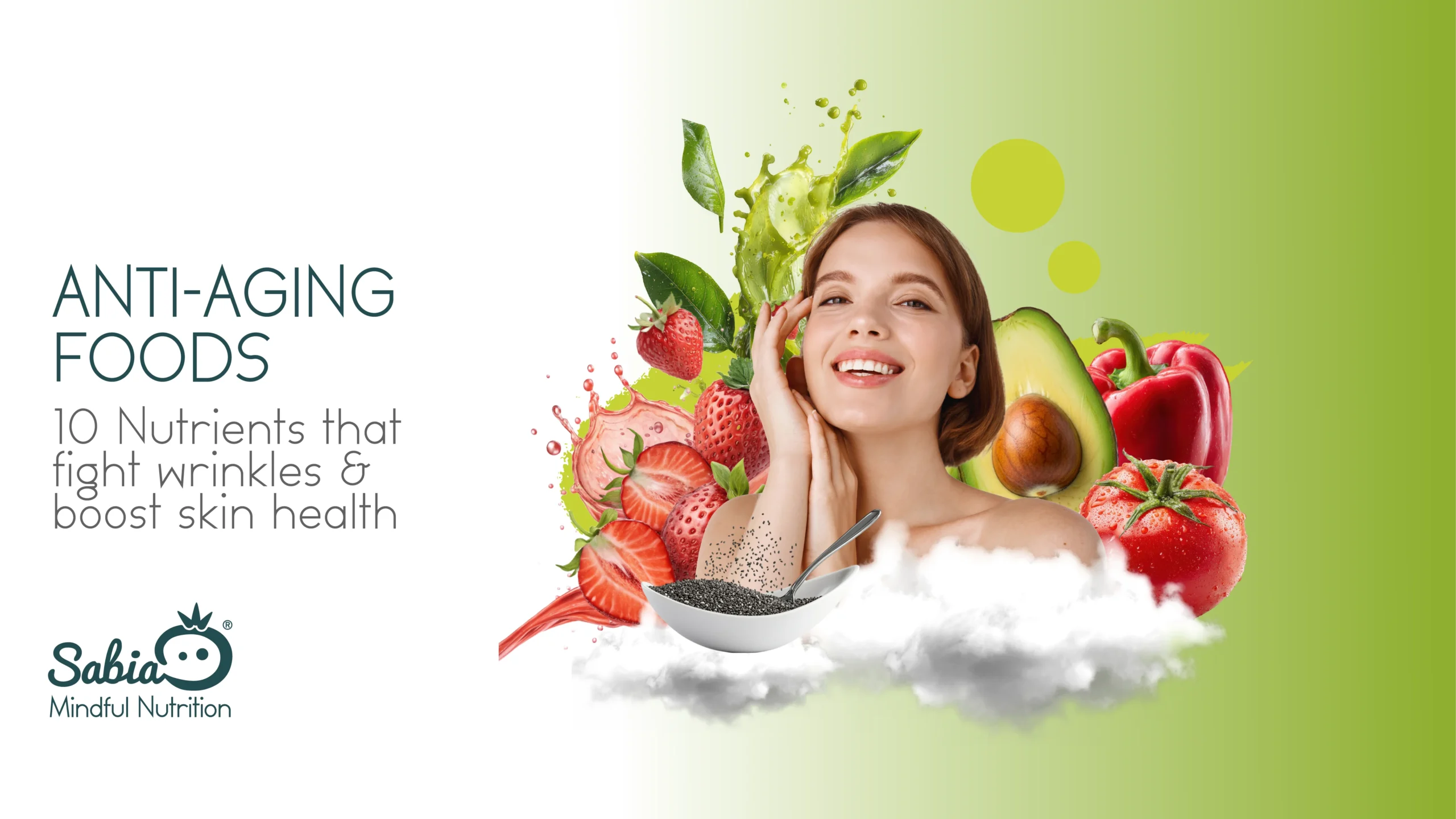
Anti-Aging Foods: 10 Nutrients That Fight Wrinkles & Boost Skin Health
Here’s something your dermatologist and your grandmother probably agree on: what you eat shows up on your face. Not right away, not in a dramatic before-and-after way — but slowly, steadily, in the form of skin that either holds its glow and firmness or loses it faster than it should.
The science behind this idea has grown sharper in the past two years. We now understand — at a cellular level — how specific nutrients slow collagen breakdown, neutralize the free radicals that accelerate wrinkling, and literally change the concentration of protective compounds inside your skin cells. This isn’t beauty marketing. It’s published research from some of the world’s top dermatology and nutrition journals.
So if you’ve been wondering whether eating more blueberries or salmon actually does anything for your skin — the answer is yes. And this article will show you exactly how, which foods matter most, and what to avoid that might be quietly aging you faster.
Why Does Skin Age — And What Role Does Food Play?
Before diving into what to eat, it’s worth understanding what’s happening beneath the surface when skin ages. Three main biological processes are at work:
Collagen breakdown. Collagen is the structural protein that keeps skin firm, plump, and elastic. After age 25, the body produces roughly 1% less collagen every year. UV exposure, pollution, and inflammation accelerate this loss dramatically. As certified holistic nutritionist Krista Goncalves told Healthline, “Diet plays a surprisingly large role in the appearance and youthfulness of your skin — and that all comes down to collagen.”1
Oxidative stress. Free radicals — unstable molecules generated by sun exposure, smoking, pollution, and even normal metabolism — attack the skin’s DNA, proteins, and lipids. This process leads to visible aging signs like wrinkles, joint stiffness, and cognitive decline, while antioxidant-rich foods may help protect against this damage and slow the aging process.2
Glycation. When excess sugar in the bloodstream binds to collagen and elastin fibers, it makes them stiff and brittle — a process called glycation. Ultra-processed foods high in refined sugars and trans fats accelerate glycation, which damages collagen and elastin, and also fuel chronic inflammation and oxidative stress — two key drivers of premature aging.3
The 10 Most Powerful Anti-Aging Nutrients for Skin

Vitamin C-rich foods are among the most powerful tools for skin renewal and collagen production. | Photo: Unsplash
1. Vitamin C — The Collagen Builder
Collagen synthesis Antioxidant Skin renewalVitamin C is non-negotiable for skin health. It is a required co-factor in the enzymatic reactions that produce collagen — without it, your body literally cannot make or maintain this essential protein. A study published in October 2025 in the Journal of Investigative Dermatology found a direct connection between dietary vitamin C intake and collagen production and skin renewal — with participants who ate two golden kiwifruit daily showing a measurable increase in vitamin C within their skin tissue, not just in their blood.5
Best food sources: Red bell peppers (more vitamin C per gram than citrus), kiwifruit, strawberries, papaya, guava, kale, broccoli, and tomatoes.
2. Omega-3 Fatty Acids — The Skin’s Built-In Moisturizer
Skin barrier Anti-inflammatory HydrationConsuming foods rich in omega-3 fatty acids has been linked to improved skin barrier function and decreased transepidermal water loss, both of which indicate increased hydration and healthier skin. Omega-3s are also inversely correlated with severe photoaging — meaning people who eat more of them tend to show fewer UV-related skin changes.6
Salmon, sardines, and mackerel are rich in omega-3 fatty acids, which protect against cognitive decline and reduce skin inflammation. Omega-3s help maintain the skin’s lipid barrier, preventing dryness and reducing wrinkle formation. Studies have also linked higher omega-3 intake to longer telomeres — the protective caps on chromosomes that are a key biological marker of cellular aging.2
Best food sources: Salmon, mackerel, sardines, herring, walnuts, chia seeds, flaxseeds, and hemp seeds.
3. Vitamin E — The Cell Membrane Guardian
UV protection Antioxidant HydrationVitamin E is a fat-soluble antioxidant that protects cell membranes from oxidative damage and works synergistically with vitamin C. Vitamin E helps regenerate Vitamin C after it’s been used in antioxidant reactions, extending its effectiveness throughout the body.7
Clinical studies have demonstrated beneficial effects of almond consumption — one of the richest vitamin E sources — on wrinkle severity in two clinical studies conducted with postmenopausal women, showing significantly decreased wrinkle depth and increased resistance to UV-induced redness.8
Best food sources: Almonds, sunflower seeds, hazelnuts, avocados, spinach, and olive oil.
4. Lycopene — The Tomato’s Secret Weapon
UV damage protection Collagen preservationLycopene is a red-orange carotenoid found abundantly in tomatoes that acts as a powerful internal sunscreen — protecting existing collagen from UV-induced degradation. Tomatoes deserve special mention because they provide Vitamin C alongside lycopene, a powerful antioxidant that helps protect existing collagen from damage — making tomatoes particularly valuable for skin health.7
Interestingly, lycopene becomes more bioavailable when tomatoes are cooked with a fat — so a drizzle of olive oil in your tomato sauce is actually doing double anti-aging duty.
Best food sources: Cooked tomatoes, tomato paste, watermelon, pink grapefruit, and guava.
5. Anthocyanins — The Berry Pigments That Protect Collagen
UV defense Collagen synthesis Vascular healthBlueberries, strawberries, and blackberries contain anthocyanins, which protect the skin from UV damage and improve collagen synthesis. Berries also improve vascular health and may slow cognitive decline in aging adults.3 These dark pigments also neutralize free radicals directly and reduce the chronic low-grade inflammation that accelerates visible aging.
Best food sources: Blueberries, blackberries, strawberries, raspberries, acai berries, cherries, and purple cabbage.
6. Polyphenols in Green Tea — EGCG and Skin Protection
Anti-inflammatory UV repair Collagen defenseGreen tea is known for its powerful polyphenols and catechins — these compounds reduce sun damage, inflammation, and even slow collagen breakdown.9 The star compound, EGCG (epigallocatechin gallate), has been shown in multiple studies to inhibit enzymes that break down collagen, protect DNA from UV damage, and reduce inflammatory skin responses.
Best food sources: Matcha (highest EGCG concentration), sencha green tea, white tea, and gyokuro.
7. Healthy Fats in Avocado — Vitamin A, E, and Glutathione
Skin elasticity Cell repair Inflammation controlAvocados are an excellent source of inflammation-busting healthy fats that can keep skin glowing and smooth. They’re also high in vitamin A, which aids in skin-cell turnover and strengthens the skin’s natural barrier to ward off infections and skin conditions.10 Avocados are also one of the few foods rich in glutathione — the body’s master antioxidant — which fights oxidative stress at a cellular level.
One study linked avocado intake to improved skin elasticity in women.9
Best food sources: Avocados (whole), avocado oil, and guacamole (without added sugars).
8. Zinc & Copper — The Underrated Collagen Co-Factors
Collagen crosslinking Wound healing DNA repairZinc plays a crucial role in collagen synthesis and wound healing, making it a valuable partner to Vitamin C. Copper is another essential mineral for collagen production, as it’s required for the cross-linking process that gives collagen its strength and structural integrity.7
Both minerals also act as co-factors in antioxidant enzyme systems that lower intracellular oxidative stress and regulate skin protection. Deficiency in either can significantly accelerate visible skin aging.
Best food sources (Zinc): Oysters, pumpkin seeds, cashews, chickpeas, and beef. Copper: Liver, shiitake mushrooms, dark chocolate, and sesame seeds.
9. Resveratrol — The Longevity Compound in Grapes
Cellular repair Anti-inflammatory ElasticityResveratrol enhances skin hydration and elasticity, reduces systemic inflammation, supports cognitive function, and promotes heart health.11 It works by activating sirtuins — proteins involved in cellular repair and longevity — and by inhibiting the inflammatory pathways that damage collagen. Best food sources include red grapes (with the skin), blueberries, bilberries, peanuts, and dark chocolate.
10. Curcumin & Phytochemicals — Nature’s NRF2 Activators
Cellular senescence Anti-inflammatory AntioxidantA 2025 review published in the journal Biology explored how natural compounds found in everyday foods — including turmeric, grapes, broccoli, and ginger — can help slow down skin aging by targeting cellular pathways, specifically the NRF2 pathway involved in cellular senescence (the biological “rusting” of cells).12 Curcumin from turmeric is particularly promising as it activates the body’s own antioxidant defense systems.
Best food sources: Turmeric (especially with black pepper for absorption), ginger, broccoli, Brussels sprouts, and dark grapes.
Quick Reference: Anti-Aging Nutrient Cheat Sheet
| Nutrient | Skin Benefit | Top Food Sources |
|---|---|---|
| Vitamin C | Collagen synthesis, skin renewal | Bell peppers, kiwi, strawberries |
| Omega-3s | Hydration, barrier repair, anti-inflammatory | Salmon, sardines, walnuts |
| Vitamin E | UV protection, cell membrane defense | Almonds, sunflower seeds, avocado |
| Lycopene | Collagen protection, UV defense | Cooked tomatoes, watermelon |
| Anthocyanins | UV damage repair, collagen synthesis | Blueberries, blackberries |
| EGCG (Green Tea) | Anti-inflammatory, collagen defense | Matcha, green tea |
| Vitamin A / Healthy Fats | Skin elasticity, cell turnover | Avocado, carrots, sweet potato |
| Zinc & Copper | Collagen crosslinking, wound healing | Oysters, cashews, liver |
| Resveratrol | Cellular repair, elasticity | Red grapes, blueberries, dark chocolate |
| Curcumin | Cellular senescence, NRF2 activation | Turmeric, ginger, broccoli |
The Flip Side: Foods That Accelerate Skin Aging
⚠️ These foods actively work against your skin:
- Refined sugars and high-fructose corn syrup — trigger glycation, which stiffens collagen and accelerates wrinkling.
- Trans fats and ultra-processed foods — fuel chronic inflammation and generate free radicals that damage skin cells.
- Excessive alcohol — dehydrates skin, depletes vitamin A and C, and disrupts sleep (which is when most skin repair happens).
- High-glycemic foods (white bread, sugary cereals) — spike blood sugar, creating a sustained glycation environment.
- Excessive sodium — causes water retention and puffiness, while contributing to dehydration at the cellular level.
A 2025 review in Food Science & Nutrition (University of Messina) concluded that foods high in trans-fatty acids and refined sugars are associated with accelerated skin aging through the production of advanced glycation end products (AGEs), which impair skin elasticity, hydration, and regeneration.13
What Dermatologists Actually Recommend

A Mediterranean-style diet rich in whole foods is consistently recommended by dermatologists for skin health. | Photo: Unsplash
It’s not just nutritionists talking about this. Dermatologists are increasingly incorporating dietary counseling into their practice. Maya Jonas, assistant professor of dermatology at the Ohio State University, recommends a diet rich in fruits and vegetables for antioxidants like vitamin C, and nuts and seeds for zinc and copper to support collagen production. “We always talk about diet, making sure patients are eating a healthy Mediterranean diet that’s well-balanced, avoiding alcohol, not smoking, and avoiding secondhand smoke,” Jonas says.14
Maryanne Makredes Senna, assistant professor of dermatology at Harvard Medical School, adds that poor sleep and stress can take a toll on skin, while exercise can improve blood flow to the skin and may help counteract the loss of elasticity and dermal thickness that comes with aging.14
The emerging field of nutricosmetics — a subspecialty of anti-aging medicine that bridges nutrition and dermatology — is gaining serious traction. Due to the growing interest in this subject, a subspecialty called “nutricosmetics” has even emerged, with researchers now systematically studying which specific foods and compounds can be considered skin-friendly — and which cannot.13
✅ Key Takeaways: Your Anti-Aging Skin Nutrition Playbook
- Collagen breakdown, oxidative stress, and glycation are the three main drivers of skin aging — all influenced by diet.
- Vitamin C is essential for collagen production and can be increased measurably through food.
- Omega-3s protect the skin’s lipid barrier, reduce inflammation, and are linked to longer telomeres.
- Berries, tomatoes, green tea, and avocado are among the most research-supported skin foods.
- Refined sugars and ultra-processed foods accelerate aging through glycation and inflammation.
- A Mediterranean-style dietary pattern is the overall framework recommended by dermatologists.
- Skin health reflects inner health — diet, sleep, exercise, and sun protection all work together.
Frequently Asked Questions
What are the best foods to eat to reduce wrinkles?
The most research-backed options are fatty fish (omega-3s for skin barrier), colorful berries (anthocyanins and vitamin C for collagen), avocados (vitamin E and healthy fats), leafy greens (vitamin C and lutein), red bell peppers and kiwi (high vitamin C for collagen synthesis), and tomatoes (lycopene for collagen protection). Eating a variety of these daily provides a broad spectrum of skin-protective nutrients.
Which nutrient is most important for collagen production?
Vitamin C is the most critical — it’s a required enzymatic co-factor without which collagen cannot be synthesized. A 2025 study in the Journal of Investigative Dermatology directly confirmed that dietary vitamin C raises skin vitamin C levels and measurably improves collagen production and skin renewal.
Do anti-aging foods really make a visible difference?
Yes, over time. A 2025 systematic review (National University of Singapore) that analyzed human dietary intervention studies found measurable improvements in skin elasticity, hydration, and wrinkle depth with diets rich in antioxidants and skin-supporting nutrients. The key word is consistency — these aren’t overnight results, but cumulative benefits built over weeks and months.
Is it better to eat anti-aging nutrients or take supplements?
Food first, always. Whole foods deliver nutrients in natural combinations with synergistic effects (like vitamin C + zinc + copper for collagen) that isolated supplements can’t fully replicate. For dermatologists like those at Harvard and Ohio State, diet is the foundation. Supplements can fill gaps where diet falls short, but they’re not a replacement for a nutrient-dense eating pattern.
How long does it take to see skin improvements from diet changes?
Research suggests meaningful changes in skin hydration and elasticity can appear within 8–12 weeks of consistent dietary changes. Wrinkle reduction is a slower process — typically 3–6 months of sustained eating patterns. The skin completely renews itself approximately every 28 days, so the dietary choices you make today are literally building next month’s skin.
The Bottom Line
Your skin is a living record of your lifestyle choices. The good news is that it’s also remarkably responsive to change — right down to the cellular level. You don’t need an expensive cream or a complicated supplement stack. What you need is a consistent diet rich in colorful vegetables, healthy fats, fatty fish, berries, and green tea, while minimizing sugar and ultra-processed foods.
Think of every meal as a vote for the kind of skin you want to have in 10, 20, 30 years. Salmon for dinner. Berries in the morning. A handful of almonds for a snack. A cup of green tea in the afternoon. These aren’t dramatic sacrifices — they’re small, delicious habits that compound into genuinely visible results over time.
You can’t stop time. But you can absolutely influence how gracefully your skin keeps up with it.
References
- Healthline (2026). 13 Foods That Boost Your Body’s Natural Collagen Production. Retrieved from healthline.com
- Vitamins For Woman (2025). The Anti-Ageing Diet: Science-Backed Foods to Slow Aging. Retrieved from vitaminsforwoman.com
- Ng, J.Y. et al. (2025). Dietary interventions in skin ageing: a systematic review and meta-analysis. Nutrition & Aging. DOI: 10.1186/s40101-025-00408-4
- Liu, Y. et al. (2025). Dietary Phytochemicals Targeting NRF2 Against Skin Cellular Senescence. Biology. DOI: 10.3390/biology15010039
- Pullar, J.M. et al. (2025). Improved Human Skin Vitamin C Levels and Skin Function after Dietary Intake of Kiwifruit. Journal of Investigative Dermatology. DOI: 10.1016/j.jid.2025.10.587. Via ScienceDaily
