

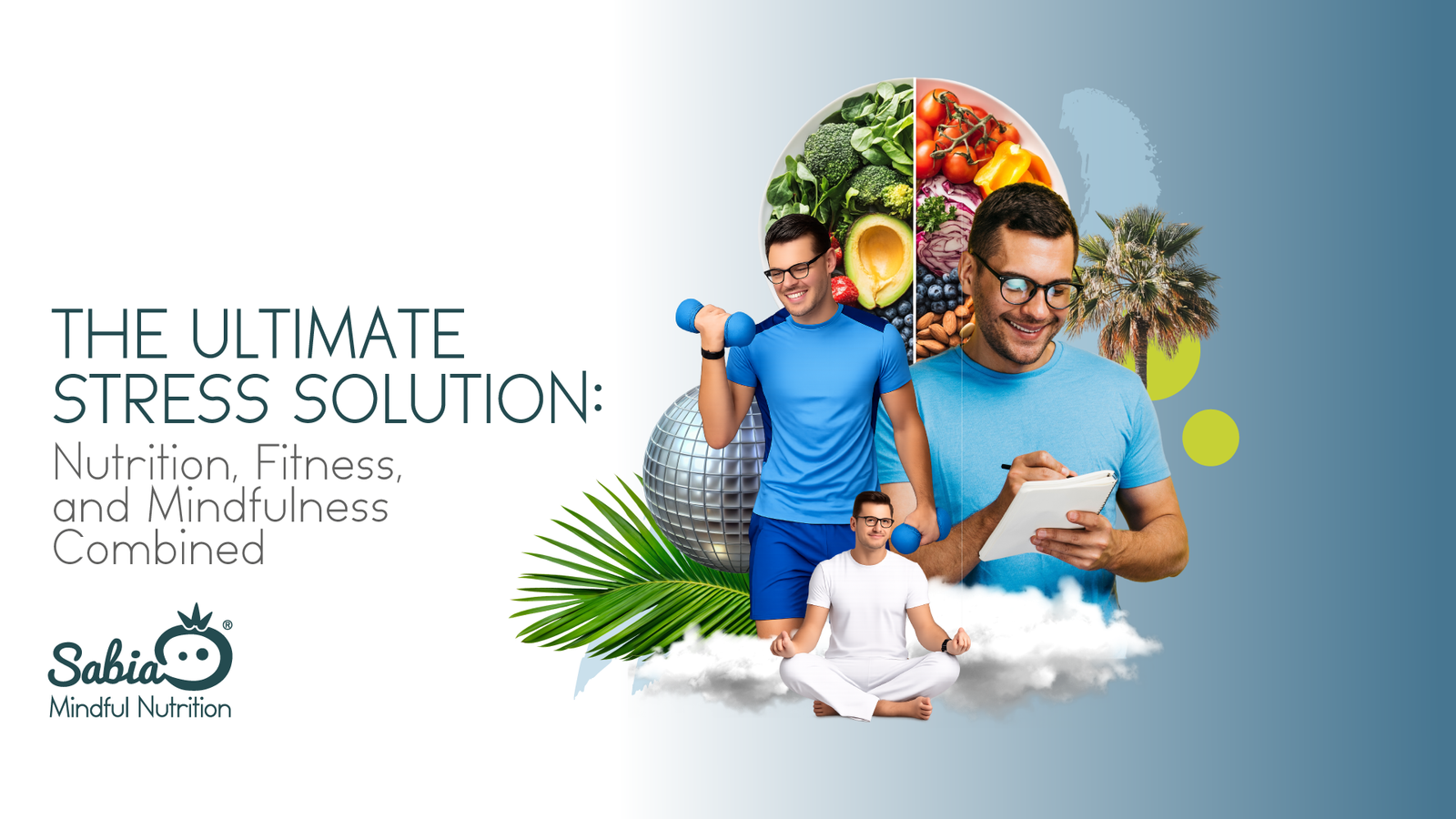
The Ultimate Stress Solution: Nutrition, Fitness, and Mindfulness Combined
In today’s fast-paced world, stress has become a constant companion. From work pressures to personal responsibilities, it’s no wonder that many people experience chronic stress. But did you know that stress can impact almost every aspect of your health, from your immune system to your heart and even your digestion? Managing stress effectively is crucial to your overall well-being.
While there are countless ways to manage stress, the most effective solutions come from a holistic approach, one that combines nutrition, fitness, and mindfulness. By integrating these three powerful tools, you can better cope with stress, improve your mental clarity, and enhance your overall health. In this article, we will dive into how these components work together to provide the ultimate stress solution.
1. Nutrition: Fueling Your Body to Handle Stress

What you eat has a direct impact on how your body responds to stress. Poor nutrition can cause your body to become more sensitive to stress, leading to increased anxiety, irritability, and fatigue. On the other hand, a diet rich in nutrients can help manage stress and promote a sense of calm.
Key Stress-Busting Nutrients
1. Magnesium
Magnesium is a mineral known for its calming effect on the nervous system. It helps to regulate cortisol levels (the stress hormone) and can improve your ability to handle stress.
Sources: Leafy greens (spinach), nuts, seeds, avocados, bananas, dark chocolate.
2. Vitamin B Complex
B vitamins, especially B6 and B12, help produce neurotransmitters that manage mood and stress response. They also support energy levels and cognitive function, both of which can be depleted during stressful times.
Sources: Whole grains, eggs, fish, dairy, legumes.
3. Omega-3 Fatty Acids
Omega-3 fatty acids are well-known for their anti-inflammatory effects, but they also play a crucial role in brain health and stress regulation. They help reduce the levels of cortisol in the body and can improve mood.
Sources: Fatty fish (salmon, mackerel), chia seeds, flaxseeds, walnuts.
4. Antioxidants
Stress leads to the production of free radicals that can damage cells and tissues. Antioxidants help neutralize these free radicals and protect your body from the effects of oxidative stress.
Sources: Berries (blueberries, strawberries), green tea, nuts, and vegetables like kale and broccoli.
2. Fitness: Exercise as a Stress Reliever

Exercise is one of the most powerful natural stress relievers. Not only does it help improve your mood, but it also supports the body in handling stress more effectively. Exercise helps boost endorphins, the body’s natural feel-good hormones, which can reduce feelings of anxiety and depression.
How Exercise Helps Combat Stress
- Reduces Cortisol Levels: Regular exercise helps lower cortisol levels, the stress hormone, which in turn reduces the body’s overall stress response.
- Improves Sleep: Regular physical activity can help improve the quality of your sleep, which is crucial for recovery and stress management.
- Boosts Mood: Exercise increases the production of endorphins, which promote a feeling of well-being and help combat feelings of stress and anxiety.
- Enhances Resilience: Regular physical activity makes you physically more resilient to stress by improving heart health and reducing the impact of stress on the body.
Best Types of Exercise for Stress Relief
- Aerobic exercise (walking, jogging, swimming) can help regulate the stress response and improve overall cardiovascular health.
- Strength training (weight lifting or bodyweight exercises) not only helps build muscle but also provides mental clarity and a sense of control.
- Yoga and Pilates combine gentle movement with breathing techniques, making them perfect for reducing tension and promoting relaxation.
- High-Intensity Interval Training (HIIT) can release endorphins quickly and efficiently, helping you feel energized and focused.
3. Mindfulness: Finding Calm Amidst the Chaos

Mindfulness is the practice of being fully present in the moment without judgment. In the context of stress management, mindfulness techniques can help you pause, reset, and regain control of your mental state. By focusing on the present and letting go of worries about the future or regrets from the past, mindfulness can significantly reduce stress levels.
Key Mindfulness Practices for Stress Reduction
1. Meditation
Meditation has been shown to reduce stress by promoting deep relaxation and reducing the overactive thinking that often fuels stress. It helps lower cortisol levels and improves emotional regulation.
Tip: Start with 10-minute sessions of guided meditation and gradually increase the time as you become more comfortable.
2. Deep Breathing
Breathing exercises help activate the parasympathetic nervous system, which is responsible for the “rest and digest” state. This counteracts the stress-induced fight or flight response, helping to calm both the mind and body.
Tip: Practice the 4-7-8 breathing technique: inhale for 4 seconds, hold for 7 seconds, and exhale for 8 seconds.
3. Mindful Eating
Mindful eating is the practice of focusing on the sensory experience of eating, helping you become more aware of what and how much you consume. It can also reduce emotional eating triggered by stress.
Tip: Slow down during meals, savor each bite, and notice the flavors and textures of your food.
4. Bringing It All Together: A Holistic Approach to Stress
The key to managing stress is not just focusing on one aspect of your life, but integrating all three—nutrition, exercise, and mindfulness—into your daily routine. Together, they work in harmony to help you reduce stress, improve your physical health, and support mental clarity.
Daily Stress-Relief Routine:
- Start your day with a mindful breakfast rich in fiber, healthy fats, and protein to fuel your body for the day ahead.
- Engage in 30 minutes of physical activity—whether it’s a walk, a workout, or yoga—to release tension and boost energy.
- Practice mindfulness or meditation for 10-20 minutes to center your mind and reset your focus.
- Finish your day with a relaxing evening routine that may include light stretching, journaling, or deep breathing.
Stress is inevitable, but how you respond to it can make all the difference. By combining nutritious meals, regular exercise, and mindfulness practices, you can take control of your stress and build a healthier, more balanced life. Remember, it’s not about perfection—it’s about progress. Start integrating these practices today and discover the ultimate stress solution.
References / Bibliography
- Stress Reduction Through Mindfulness Meditation (2018). Journal of Clinical Psychology.
- The Impact of Exercise on Stress and Anxiety (2020). Frontiers in Psychology.
- Nutrition and Mental Health: The Role of Diet in Stress Management (2019). Nutrition Journal.
