



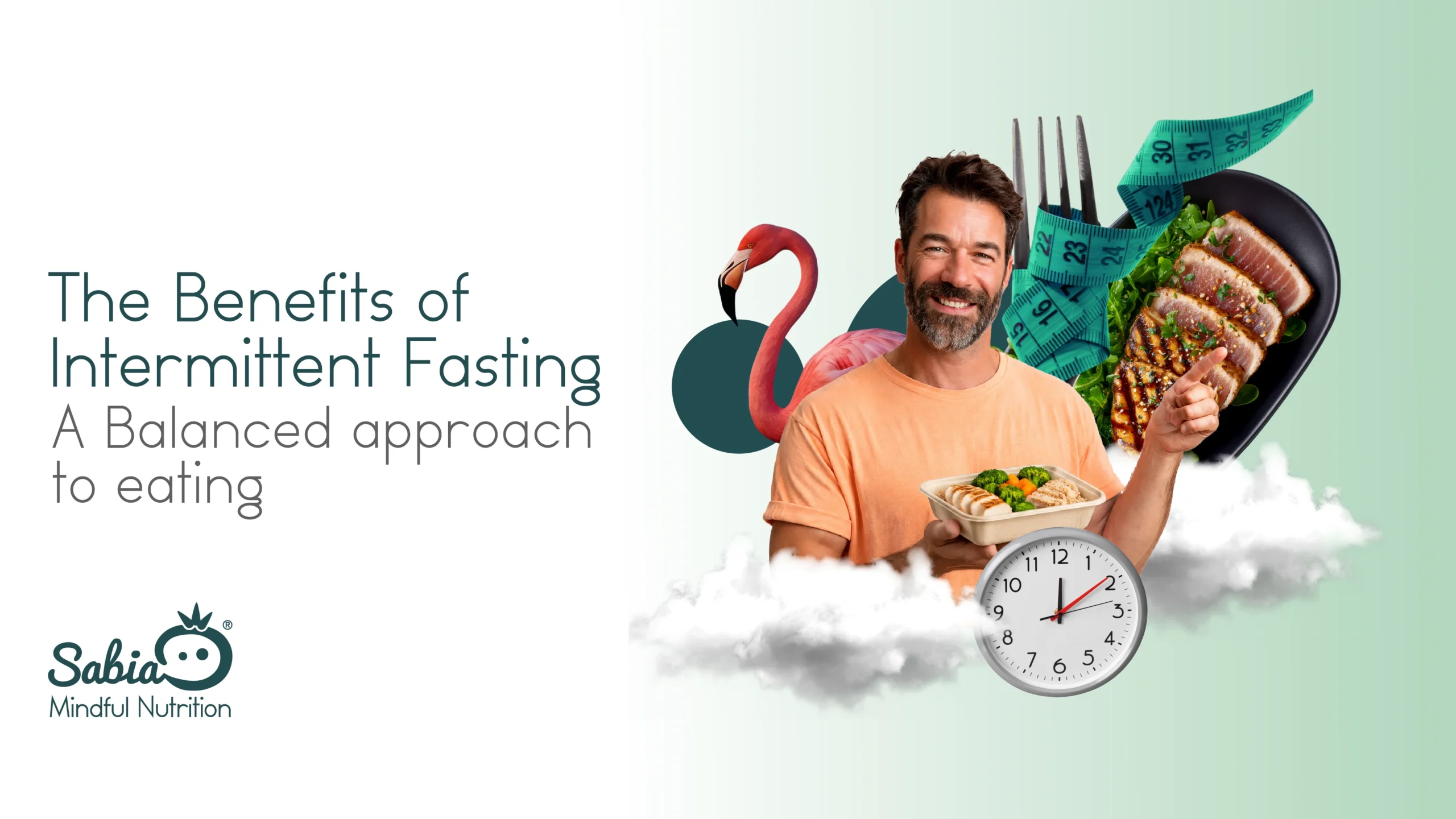
The Benefits of Intermittent Fasting: A Balanced Approach to Eating
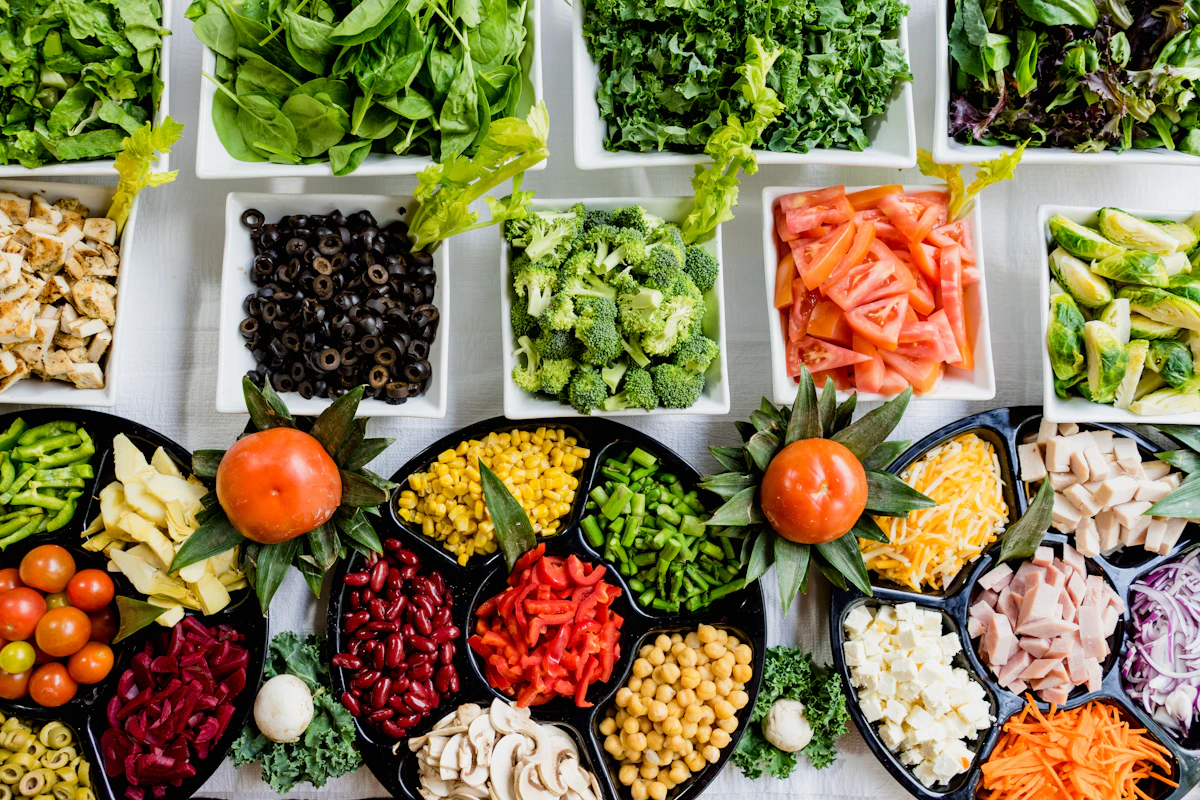
What Is Intermittent Fasting?
Intermittent fasting is an eating pattern that alternates between periods of eating and periods of fasting. During the fasting window, you avoid calories but can usually drink water, plain tea, or black coffee. During the eating window, the focus should be on nutrient-dense meals, not overeating or compensating with processed foods.
Johns Hopkins Medicine explains that intermittent fasting may help the body shift from using recently consumed calories to using stored energy after several hours without food. This is one reason it has been studied for weight management and metabolic health.
How Intermittent Fasting May Support Metabolic Health
One of the biggest reasons people explore intermittent fasting is metabolic health. When your body has constant access to food all day, insulin levels may remain elevated for longer periods. Giving the body a break between meals may help improve insulin sensitivity, blood sugar control, and energy regulation.
The National Institutes of Health reported that people with metabolic syndrome who followed a time-restricted eating window of 8 to 10 hours showed modest health benefits after three months. The NIH also noted that longer-term studies are still needed, which is important. Intermittent fasting is promising, but it is not magic.
Potential Benefits of Intermittent Fasting
1. Supports Weight Management
Intermittent fasting can make eating simpler. By limiting the eating window, many people naturally reduce snacking and late-night eating. Harvard Health notes that intermittent fasting may offer similar or modest benefits compared with traditional calorie restriction for weight loss, but its main advantage may be simplicity.
2. Helps Improve Blood Sugar Balance
Time-restricted eating may help some people reduce fasting glucose and insulin levels, especially when combined with high-quality meals. This matters because stable blood sugar supports better energy, fewer cravings, and long-term metabolic health.
3. May Reduce Late-Night Eating
Many people consume extra calories at night, often from snacks, sweets, or convenience foods. A fasting schedule can create a clear stopping point. This can improve digestion, sleep quality, and overall food awareness.
4. Encourages More Intentional Eating
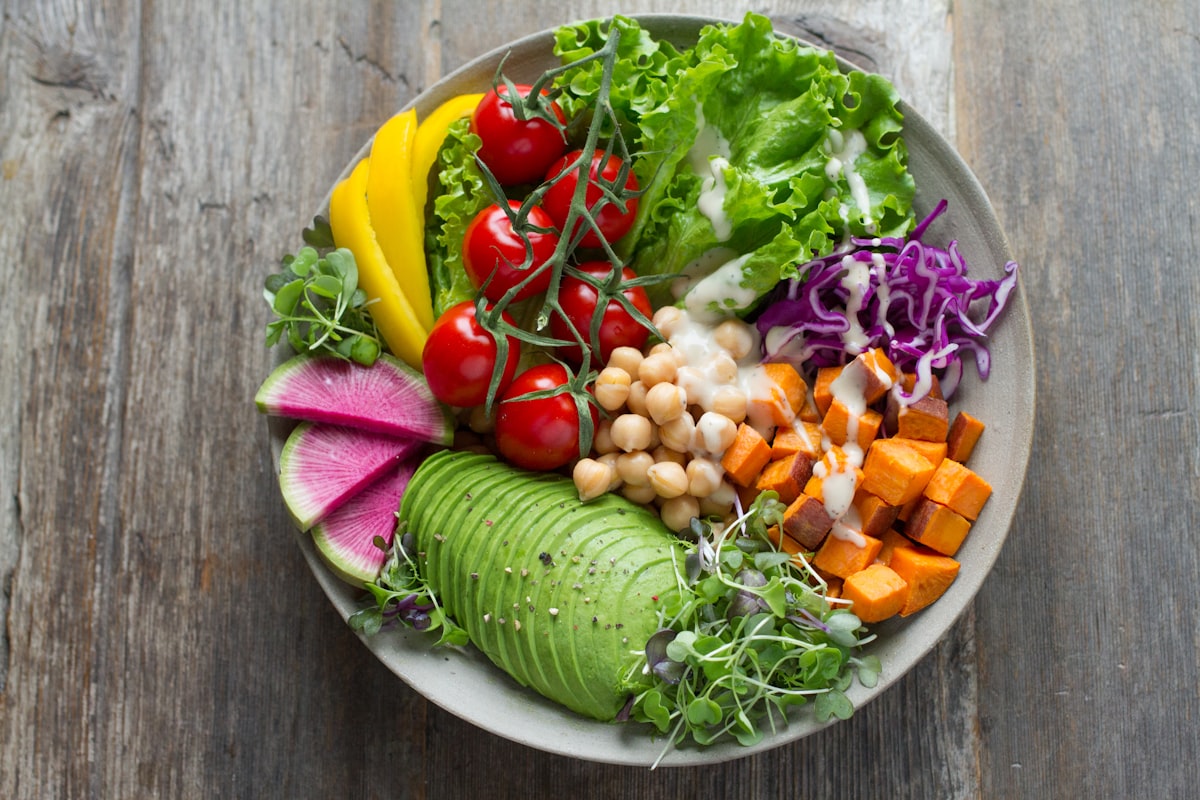
When your eating window is shorter, every meal matters more. That can encourage better choices: lean protein, healthy fats, fiber-rich vegetables, whole grains, and hydration.
5. Supports Longevity Habits
Intermittent fasting is often discussed in the longevity space because it may support metabolic flexibility, inflammation control, and healthier body composition. Still, the foundation of longevity is not fasting alone. It is consistent healthy meals, movement, sleep, stress management, and sustainable routines.
The Balanced Way to Practice Intermittent Fasting
The biggest mistake people make with intermittent fasting is turning it into an extreme diet. A balanced approach should feel structured, not punishing.
Start with a 12-Hour Fast
A simple starting point is finishing dinner at 7:00 p.m. and eating breakfast at 7:00 a.m. This gives your digestive system a break without creating unnecessary stress.
Build Gradually
If your body responds well, you can try a 14:10 schedule. For example, eating between 9:00 a.m. and 7:00 p.m. is realistic for many people.
Prioritize Protein and Fiber
During your eating window, build meals around protein and fiber. This keeps you full and helps avoid energy crashes.
Stay Hydrated
Many people mistake thirst for hunger. Water, mineral water, or unsweetened tea can help you feel better during fasting windows.

What to Eat During Your Eating Window
Intermittent fasting works best when your meals are balanced. At Sabia Nutrition, the focus is not just on eating less. It is about eating better.
- Lean proteins: chicken, salmon, turkey, eggs, tofu, Greek yogurt, lentils.
- Healthy fats: avocado, olive oil, nuts, seeds, fatty fish.
- Fiber-rich carbs: quinoa, oats, sweet potato, beans, berries.
- Vegetables: leafy greens, broccoli, peppers, zucchini, asparagus.
- Hydration: filtered water, herbal tea, fruit-infused water.
Who Should Be Careful With Intermittent Fasting?
Intermittent fasting is not for everyone. It may not be appropriate for children, teens, pregnant or breastfeeding women, people with a history of eating disorders, people with diabetes using insulin or glucose-lowering medications, or anyone with a medical condition that requires regular food intake.
If you have any medical condition, talk to a qualified healthcare professional before trying intermittent fasting.
Final Thoughts
Intermittent fasting can be a useful tool, but it should never replace healthy eating. The real benefit comes when fasting is combined with balanced meals, enough protein, fiber, hydration, movement, and good sleep.
Think of intermittent fasting as structure, not restriction. When done with balance, it can help you become more intentional with food, support metabolic health, and build a more sustainable wellness routine.
References
- Johns Hopkins Medicine. Intermittent Fasting: What Is It, And How Does It Work?
- National Institutes of Health. Time-restricted eating for metabolic syndrome.
- Harvard Health Publishing. Can intermittent fasting help with weight loss?
