

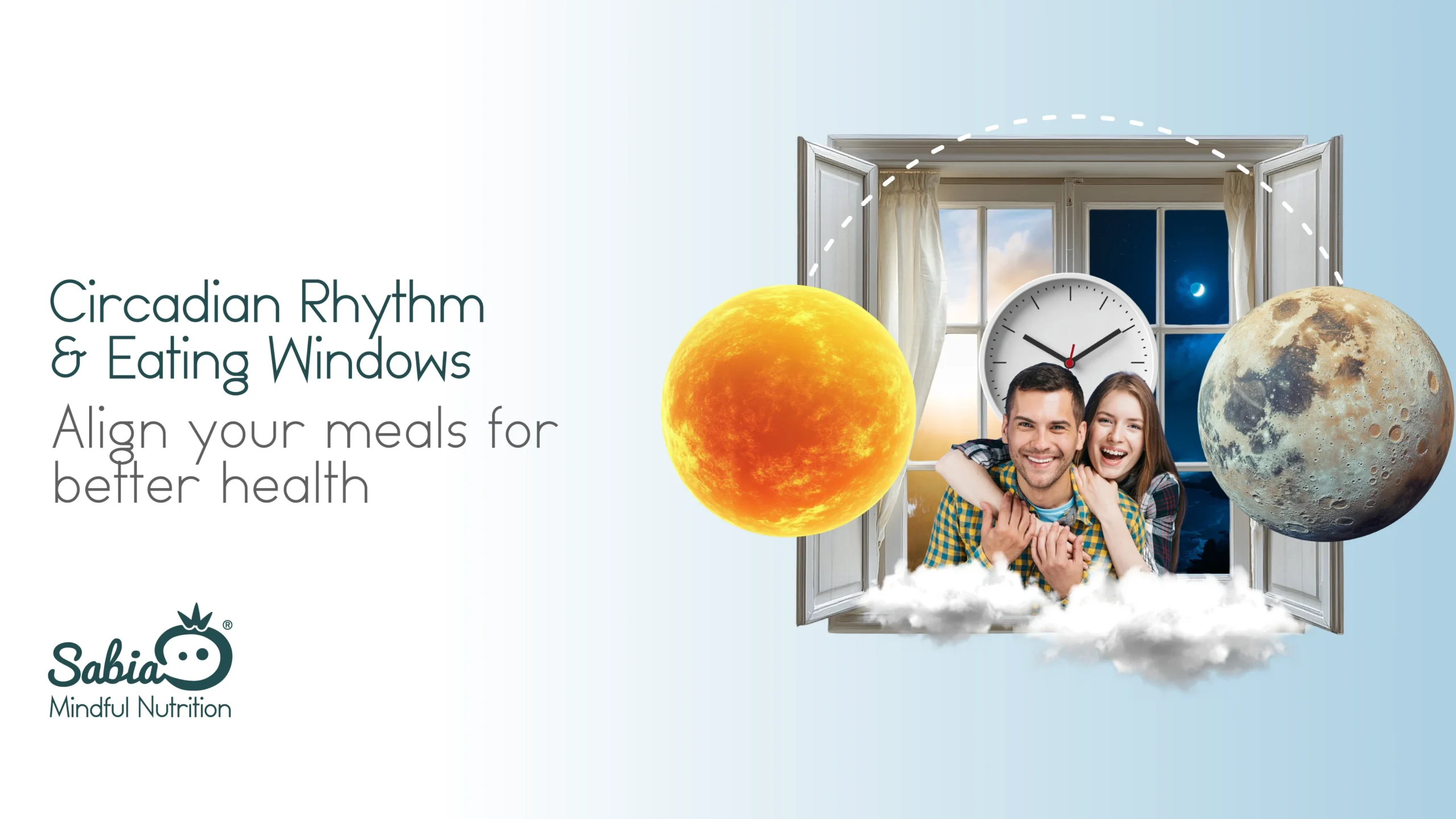
Circadian Rhythm & Eating Windows: Align Your Meals for Better Health
- What the circadian rhythm really is
- How eating windows affect metabolism and hormones
- Scientific evidence supporting circadian meal timing
- Practical schedules and meal ideas
- Tips for daily life and common mistakes to avoid
What Is the Circadian Rhythm?
The circadian rhythm is your body’s internal clock, synced to the earth’s day‑night cycle. Light and darkness act as signals, telling your brain when to be alert and when to rest. This same clock influences hormone release (such as cortisol and melatonin), body temperature, digestion, appetite, and energy expenditure.
This rhythm is controlled by a part of the brain called the suprachiasmatic nucleus (SCN) in the hypothalamus, which receives signals from your eyes about light exposure. That signal helps set your clock each day. Without consistent light cues (like from sunlight), your body clock can drift, affecting sleep and metabolism.
Essentially, digestion and nutrient processing work best when your body expects food, typically during daylight, and become less efficient at night when the body prepares for sleep. This is a key reason circadian eating windows matter.
How Eating Timing Affects Metabolism
Your metabolism isn’t constant throughout the day. It fluctuates based on your circadian rhythm. Early research shows that many metabolic processes, including insulin sensitivity, glucose tolerance, and fat oxidation, are higher earlier in the day and decline toward the evening.
In a landmark review published in Cell Metabolism, researchers found that eating in alignment with circadian rhythms (e.g., earlier eating windows) may improve metabolic health and reduce risk factors associated with obesity and diabetes.
Insulin Sensitivity and Eating Time
Insulin sensitivity, your body’s ability to respond to blood glucose, is highest in the morning. As the day progresses and your circadian rhythm signals it’s time to wind down, insulin sensitivity drops. This means late dinners or late snacking may push blood sugar regulation out of sync with your internal clock.
Fat Burning vs. Fat Storage
When eating late at night, your body may be more inclined to store energy as fat rather than use it. Eating earlier in your circadian window can help your body use calories for energy when you are most active, supporting better weight regulation.

Benefits of Aligning Eating Windows with Your Circadian Rhythm
Here’s how adjusting meal timing can support your health:
- Improved digestion: Your gut works better during the day when enzymes and motility are higher.
- Better blood sugar control: Daytime eating helps stabilize glucose and insulin responses.
- Weight support: Aligning eating windows can support appetite regulation and energy balance.
- Enhanced sleep quality: Avoiding late‑night eating supports melatonin production and restful sleep.
- Hormone balance: Cortisol (a stress hormone) follows a rhythm that interacts with insulin and appetite signals.
Scientific Evidence Behind Eating Windows
A growing number of studies suggest that “time‑restricted eating”, limiting food intake to certain hours of the day, may support metabolic health. For example:
- A study in Cell Metabolism showed that aligning eating windows with the circadian rhythm improved metabolic markers in adults with metabolic syndrome.
- Harvard Health reports that eating earlier in the day may improve weight control and energy levels.
- Johns Hopkins Medicine explains that circadian rhythms influence digestion and that late‑night eating may disrupt normal hormone signaling.
How to Structure Your Eating Windows
There’s no one‑size‑fits‑all, but here are evidence‑based patterns that respect the circadian rhythm:
1. 12‑Hour Daytime Window
A simple starting point: finish dinner by 7 p.m. and eat breakfast at 7 a.m. This 12‑hour window supports insulin sensitivity and digestion.
2. 10‑Hour Window
A more targeted approach: 9 a.m. – 7 p.m. or 8 a.m. – 6 p.m. This timing keeps eating within daylight hours and gives the body a longer overnight fasting period.
3. Early Time‑Restricted Eating (eTRE)
This strategy places meals earlier in the day — for example, 7 a.m. to 3 p.m. Some research indicates eTRE may improve insulin sensitivity and overnight fasting markers, though more studies are needed.
Meal Ideas for Your Eating Window
Choosing nutrient‑dense meals during your eating window is key. Here are ideas to get you started:
- Breakfast: Greek yogurt with berries and chia seeds or scrambled eggs with spinach.
- Lunch: Salmon salad with quinoa, avocado, and mixed greens.
- Snack: Apple slices with almond butter, or hummus and carrots.
- Dinner: Grilled chicken, sweet potato, and steamed broccoli.

Tips for Making It Work in Real Life
Implementing circadian‑based eating windows takes practical adjustments:
- Plan meals ahead: Preparing lunches and dinners helps avoid late snacking.
- Stay hydrated: Water supports digestion and can reduce nighttime cravings.
- Avoid screens before bed: Blue light suppresses melatonin and confuses your rhythm.
- Get morning sun exposure: Natural light signals your body clock.
- Listen to your body: Hunger cues matter — don’t force fasting if you feel unwell.
Who Should Be Cautious?
Circadian eating isn’t ideal for everyone. Individuals with diabetes on glucose medication, pregnant or breastfeeding women, people with a history of eating disorders, and those with certain medical conditions should consult a healthcare professional before changing meal timing.
Your body is built to function with a rhythm, and eating in harmony with that rhythm can enhance digestion, metabolism, sleep, and overall wellness. Start small, adjust your meal windows one step at a time, and notice how your energy and focus improve. The clock in your body is powerful, when you eat with it, your health gains momentum.
References
- Harvard Health Publishing. “Eating in sync with your circadian rhythm.”
- Longo, V.D., Panda, S. “Fasting, Circadian Rhythms, and Time-Restricted Feeding in Healthy Lifespan.” Cell Metabolism, 2016.
- Johns Hopkins Medicine. “Circadian Rhythms and Your Health.”
