



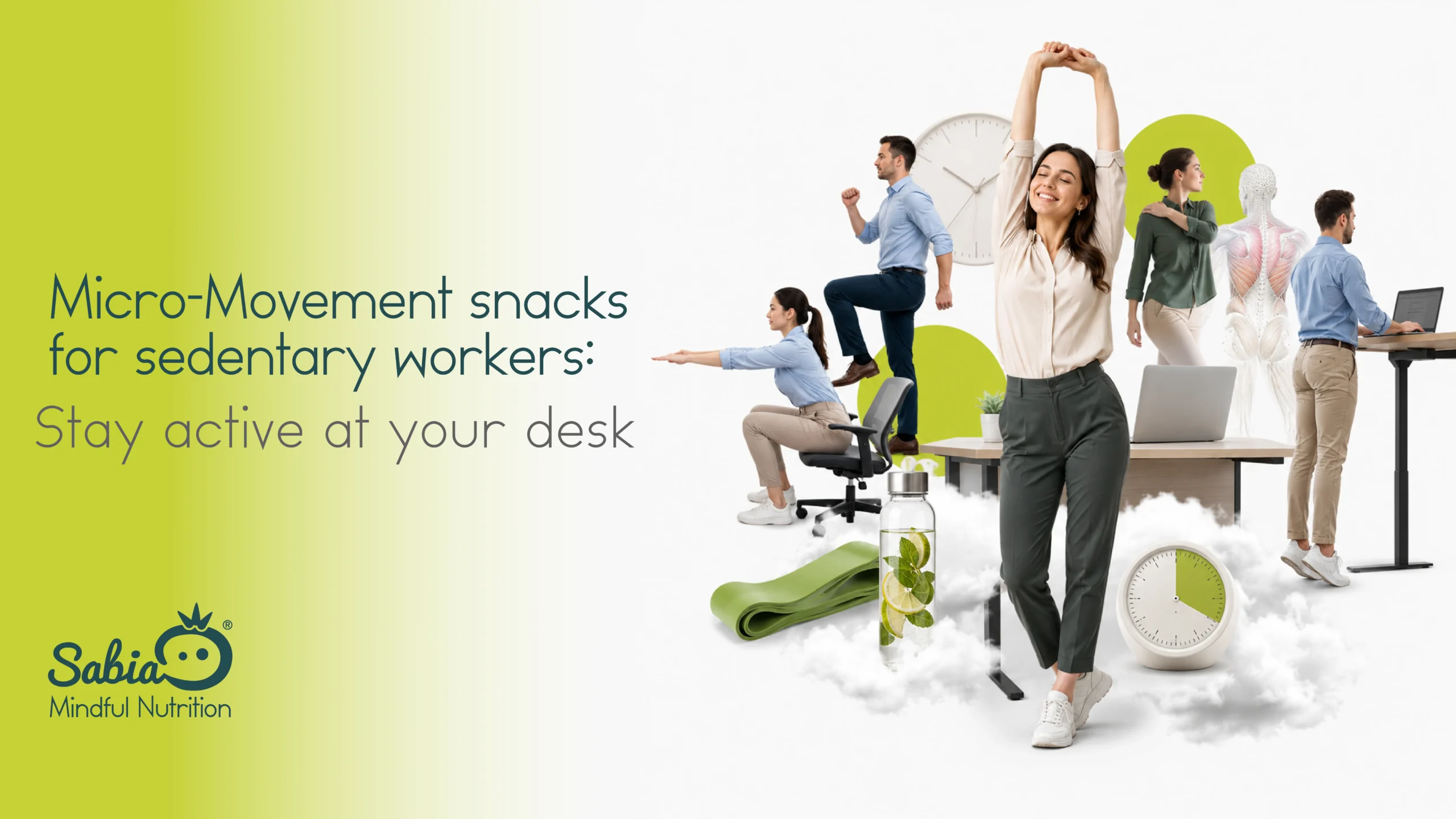
Micro-Movement Snacks for Sedentary Workers: Stay Active at Your Desk
The Science Behind Sedentary Risks
When we sit for long periods, our muscles, especially in the glutes, legs, and core, remain inactive. This leads to decreased muscle tone and insulin sensitivity. Blood flow slows, which can cause swelling in the lower extremities, fatigue, and stiffness. The body also releases fewer endorphins, contributing to decreased mood and mental alertness. Studies have shown that even adults who exercise regularly can suffer the negative effects of prolonged sitting if they remain sedentary for long stretches during the day.

What Are Micro-Movement Snacks?
Micro-movement snacks are mini-exercise breaks that stimulate muscles, joints, and the cardiovascular system without requiring a full workout. Unlike traditional exercise routines, these activities are short, accessible, and can be incorporated seamlessly into your workday. The goal is to counteract prolonged sitting and maintain muscle activity, posture, and metabolism.
Categories of Micro-Movements
- Legs: squats, calf raises, knee lifts
- Back & Core: seated twists, standing extensions, core bracing
- Shoulders & Neck: shoulder rolls, arm circles, neck stretches
- Arms & Upper Body: desk push-ups, tricep dips, resistance band exercises
- Cardio & Circulation: mini-walks, marching in place, step-ups
Sample Micro-Movement Snack Routine
Here’s a practical example you can do every hour:
- 10 desk chair squats 🏋️♀️
- 15 shoulder rolls and arm circles 🤸♂️
- 10 calf raises 🦵
- 30-second standing march 🚶♀️
- 15 seated torso twists 🌀
Total time: 3–5 minutes. Repeat each hour to break up long periods of sitting.
Benefits of Micro-Movement Snacks
Even small bursts of movement have measurable health benefits:
- Improved circulation: Blood flow increases, delivering oxygen and nutrients to muscles and brain cells.
- Posture support: Activating postural muscles reduces stiffness and back pain.
- Metabolic support: Regular movement boosts glucose metabolism and calorie expenditure.
- Energy and focus: Brief breaks reduce fatigue and improve mental clarity.
- Mood improvement: Physical activity stimulates endorphins, reducing stress and anxiety.
Practical Implementation Tips
- Set reminders every 30–60 minutes to move.
- Combine multiple micro-movements for 3–5 minutes each break.
- Take walking meetings or phone calls.
- Use ergonomic tools like standing desks, balance boards, or resistance bands.
- Listen to your body and gradually increase intensity.
Tools to Enhance Micro-Movements
Several simple tools can make micro-movements more effective:
- Resistance bands: Add tension to arm, leg, and core exercises.
- Balance cushions or stability balls: Engage core muscles while seated or standing.
- Standing desks: Alternate sitting and standing to increase energy expenditure.
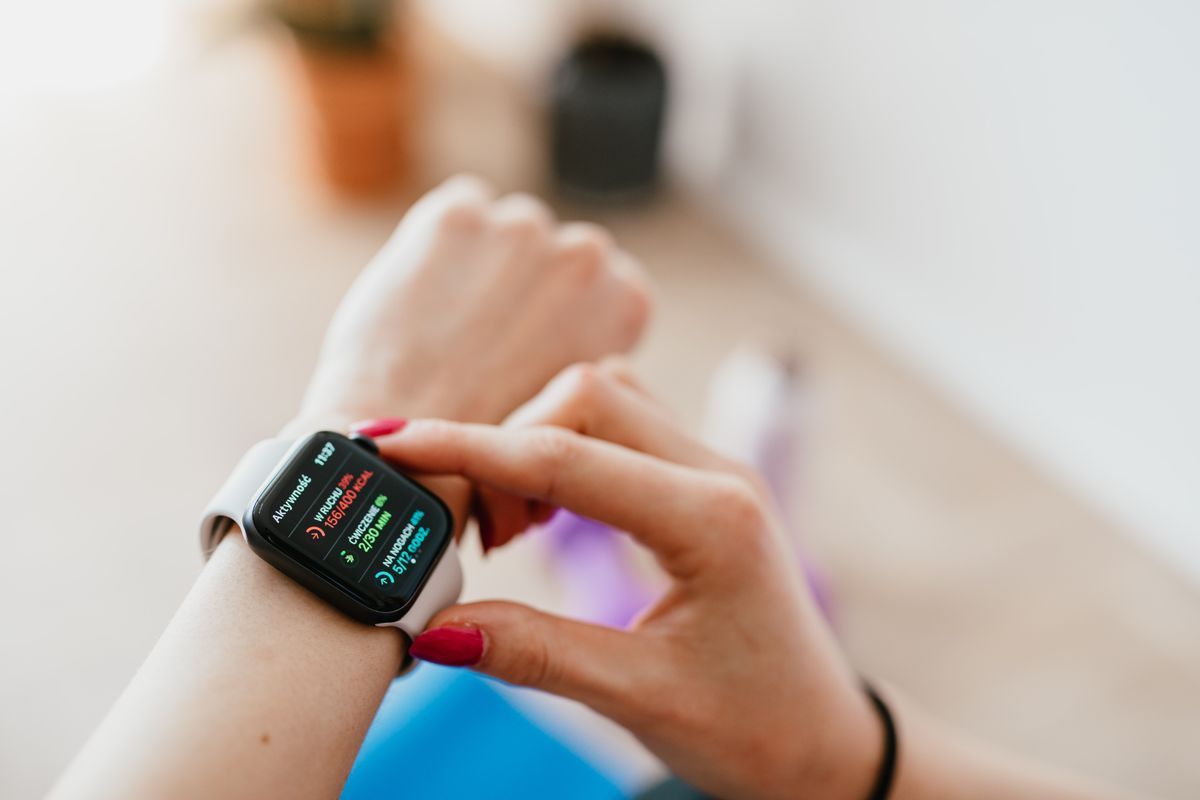
- Step counters or apps: Track activity and remind you to move.
Long-Term Health Benefits
Incorporating micro-movements consistently can lead to:
- Reduced risk of chronic disease
- Improved posture and decreased musculoskeletal pain
- Better weight management and metabolic function
- Increased productivity and focus at work
- Enhanced mood and stress reduction
Common Mistakes and How to Avoid Them
- Skipping breaks: Set reminders and commit to small sessions.
- Doing exercises incorrectly: Learn proper form for safety.
- Ignoring hydration: Water supports circulation and energy during micro-movements.
- Relying only on micro-movements: Combine with daily exercise outside work hours for best results.
Conclusion
Micro-movement snacks are a simple, practical, and effective solution for sedentary workers. Short, consistent bursts of movement counteract prolonged sitting, boost energy, support metabolism, and improve overall health. By implementing micro-movements at your desk or workspace, you can transform long workdays into opportunities for better health and vitality.
References
- Hamilton MT et al. “Too little exercise and too much sitting: inactivity physiology and the need for new recommendations on sedentary behavior.” Curr Cardiovasc Risk Rep. 2008;2(4):292-298.
- Thyfault JP, Booth FW. “Lack of exercise is a major cause of chronic diseases.” Compr Physiol. 2011;2(2):1143-1211.
- Harvard Health Publishing. “Simple ways to move more at work.“
