

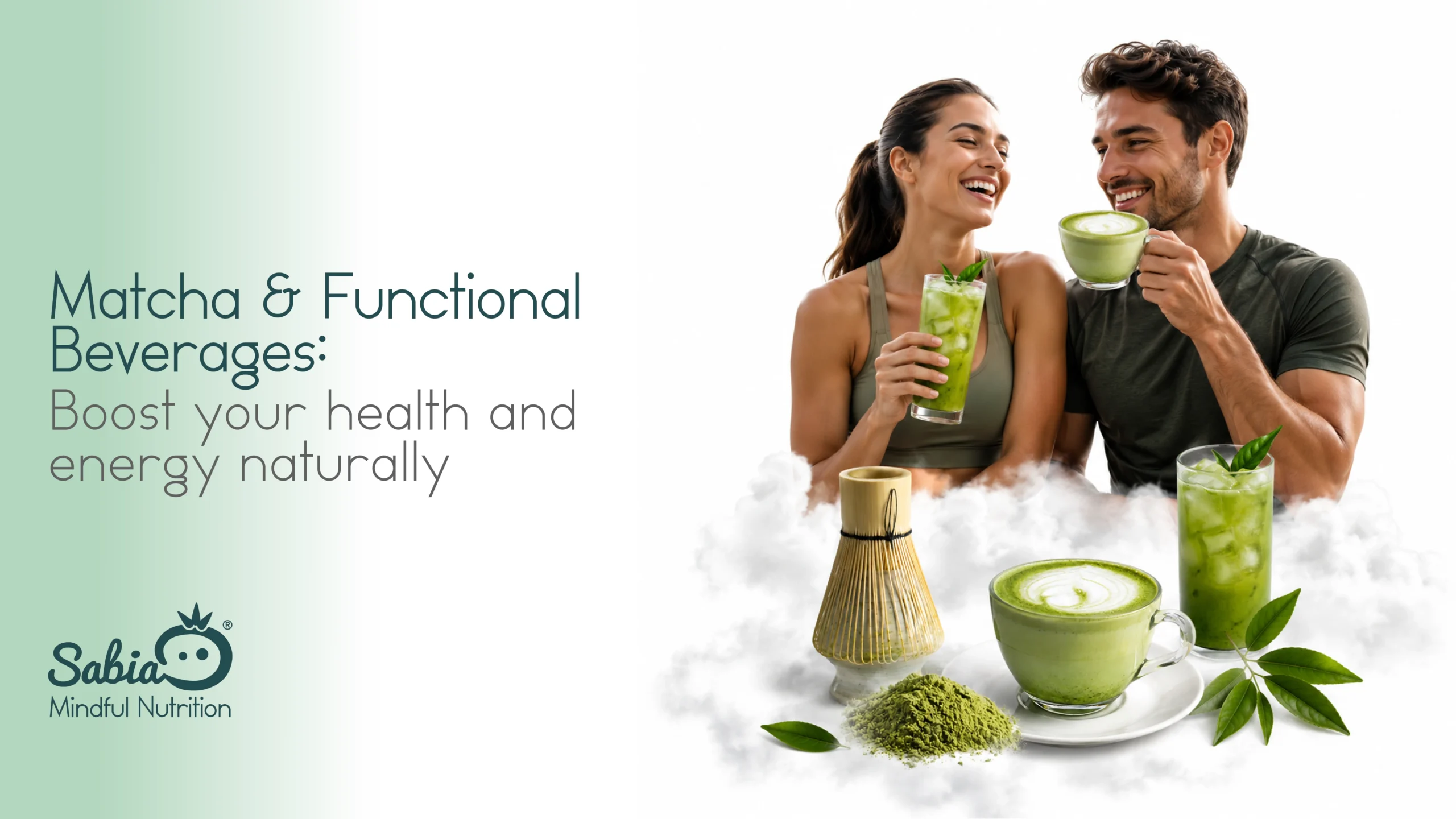
Matcha & Functional Beverages: Boost Your Health and Energy Naturally
 Matcha is no longer just a beautiful green drink you see in cafés. It has become one of the most popular functional beverages in the wellness world, and for good reason. People are looking for drinks that do more than taste good. They want beverages that support energy, focus, digestion, metabolism, hydration, and overall well-being.This is where matcha and functional beverages come in. A functional beverage is any drink designed to offer benefits beyond basic hydration. That could mean a matcha latte for calm energy, kombucha for gut health, a protein smoothie for recovery, an electrolyte drink for hydration, or an adaptogenic beverage for stress support.At Sabia Nutrition, we look at this trend through a practical lens. The goal is not to replace real food with trendy drinks. The goal is to choose better beverages that support your body instead of working against it. A drink can either add value to your day or quietly load you with sugar, additives, and empty calories.
In this guide, we’ll break down what matcha is, why functional drinks are trending in the United States, which benefits are supported by science, which claims need caution, and how to make smarter choices in your daily routine.
What Is Matcha?
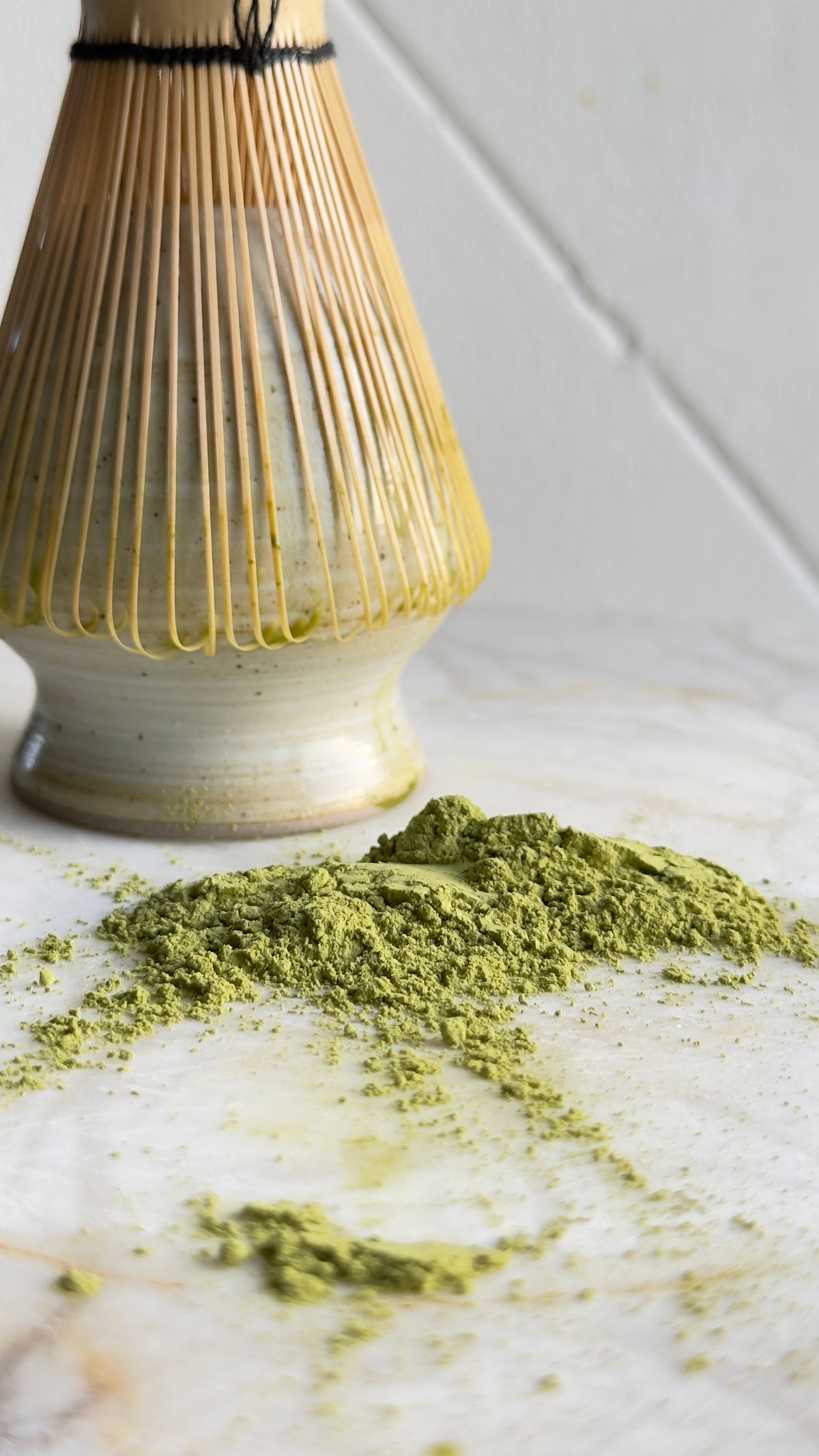
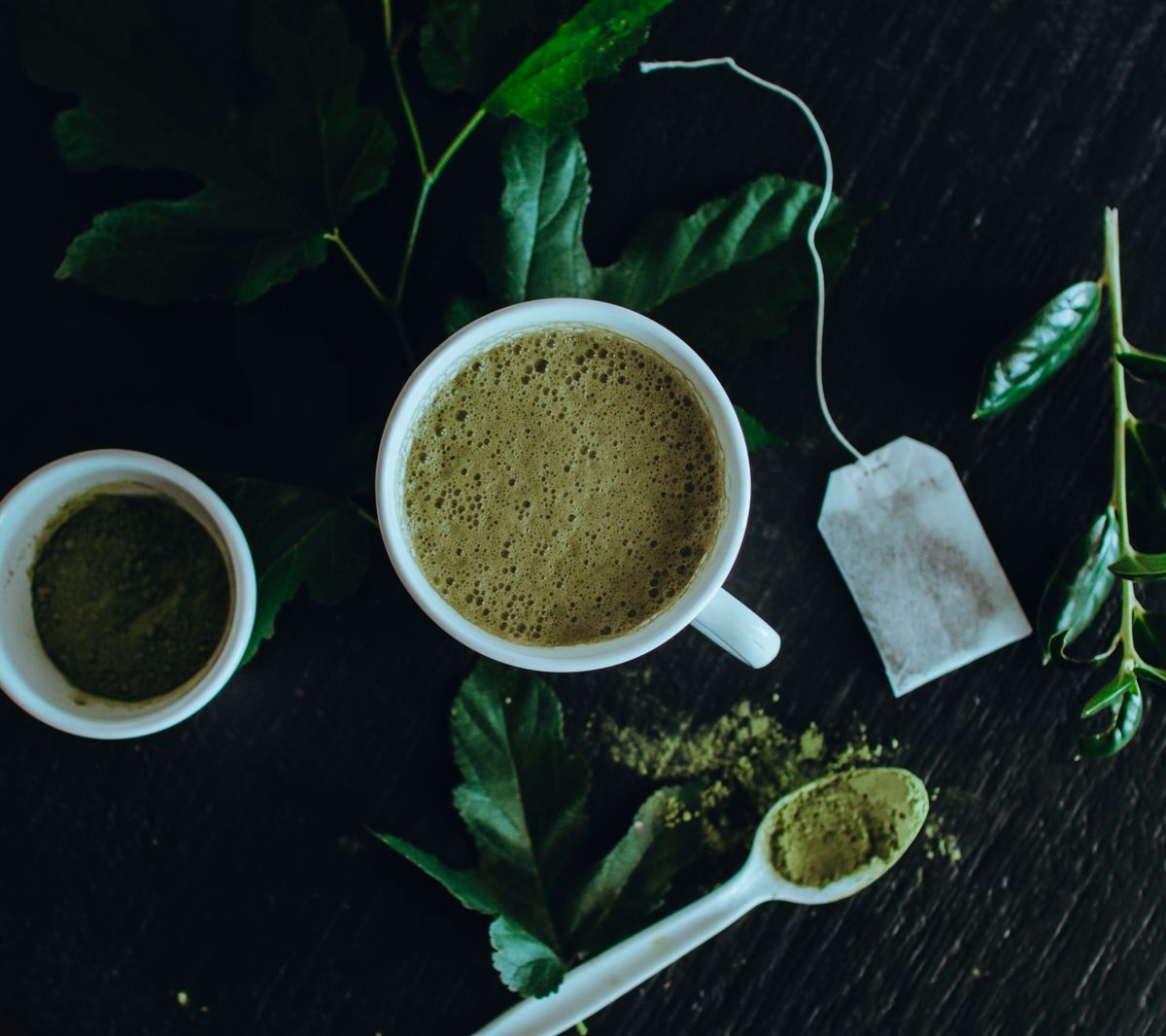
Matcha is a finely ground powder made from specially grown green tea leaves. Unlike regular green tea, where the leaves are steeped and discarded, matcha uses the whole leaf in powdered form. That means you consume more of the plant’s natural compounds, including catechins, chlorophyll, caffeine, and L-theanine.
One of the most important compounds in matcha is EGCG, short for epigallocatechin gallate. EGCG is a catechin, a type of antioxidant found in green tea. Antioxidants help protect the body from oxidative stress, which is linked to inflammation, aging, and cellular damage.
Matcha also contains caffeine, but its effect feels different from coffee for many people. That is because matcha naturally contains L-theanine, an amino acid associated with calm alertness. This combination is one reason people describe matcha as giving “focused energy” instead of a quick spike and crash.
Why Matcha Feels Different From Coffee
Coffee can be useful, but it does not work for everyone. Some people feel anxious, jittery, or experience an energy crash after drinking it. Matcha still contains caffeine, but the combination of caffeine and L-theanine may support a smoother mental state.
Research has found that caffeine and L-theanine together may improve attention, alertness, and cognitive performance. This does not mean matcha is magic. It means the compounds in matcha can support focus when consumed as part of a balanced routine.
For someone working long hours, training, studying, or managing a busy schedule, matcha can be a smart alternative to sugary energy drinks or overloaded coffee drinks. The key is how you prepare it. A clean matcha latte with unsweetened milk is very different from a café drink loaded with syrups and whipped cream.
What Are Functional Beverages?
Functional beverages are drinks created to support a specific wellness goal. Some focus on energy. Others focus on gut health, hydration, immunity, stress, recovery, or sleep. The category is growing fast because people want convenient wellness solutions that fit into busy lives.
Common functional beverages include:
- Matcha drinks: for calm energy, antioxidants, and focus.
- Kombucha: a fermented tea that may contain organic acids, polyphenols, and live microbes depending on the product.
- Protein smoothies: for muscle recovery and satiety.
- Electrolyte drinks: for hydration and mineral support.
- Adaptogenic drinks: often made with ingredients like ashwagandha, rhodiola, maca, or mushrooms.
- Prebiotic beverages: designed to feed beneficial gut bacteria.
- Herbal tonics: caffeine-free drinks made with plants, spices, and extracts.
The idea sounds great, but not every functional beverage is healthy. Some are basically sugar drinks with a wellness label. Others contain ingredients that may not be necessary for everyone. That is why reading the label matters.
The Main Benefits of Matcha and Functional Drinks
1. Steady Energy Without the Sugar Crash
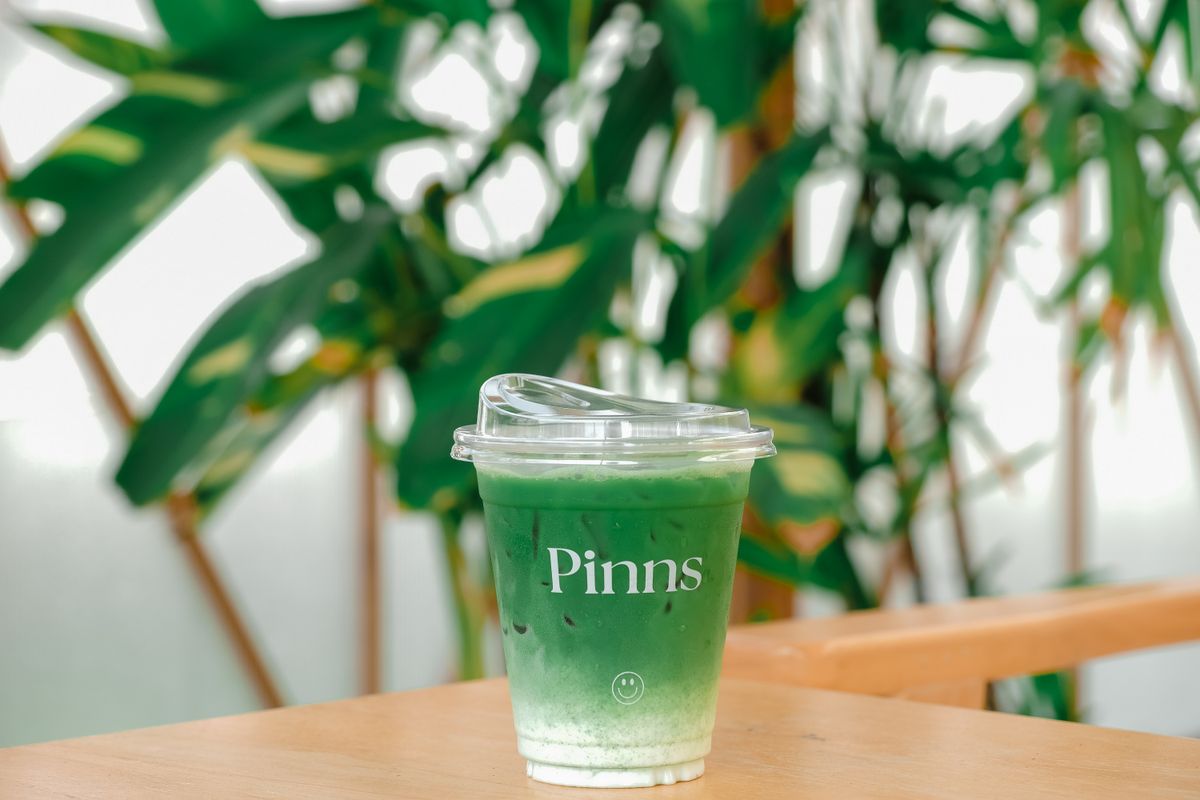
One of the biggest reasons people turn to matcha is energy. Unlike many bottled energy drinks, matcha can provide caffeine without excessive added sugar. When prepared simply, it can support alertness while keeping blood sugar more stable.
This matters because many people reach for sweet drinks when they feel tired. The problem is that sugar may give a short energy spike followed by a crash. A better option is a beverage that supports energy without flooding the body with added sugar.
2. Better Focus and Mental Clarity
The caffeine and L-theanine combination in matcha is one of its strongest advantages. L-theanine is often studied for its calming effect, while caffeine improves alertness. Together, they may support a more focused, less jittery state.
This makes matcha useful in the morning, before deep work, or during an afternoon slump. It is not a replacement for sleep, but it can be a better choice than a high-sugar drink when you need mental clarity.
3. Antioxidant Support
Matcha is rich in polyphenols and catechins. These compounds help the body respond to oxidative stress. Oxidative stress happens naturally, but it can increase with poor sleep, stress, pollution, ultra-processed foods, and intense exercise.
Antioxidants do not “detox” the body overnight. That is not how health works. But regularly including antioxidant-rich foods and drinks can support long-term wellness.
4. Gut Health Support From Fermented Drinks
Kombucha and other fermented beverages are popular because of their relationship with gut health. Kombucha is made by fermenting tea with a culture of bacteria and yeast. Depending on the product and how it is processed, it may contain organic acids, tea polyphenols, and live microbes.
The important part is moderation. Kombucha can be part of a healthy routine, but it should not be treated like medicine. Some versions contain a lot of sugar, and homemade kombucha can carry safety risks if it is not prepared correctly.
5. Hydration With Added Function
Electrolyte drinks, herbal waters, coconut water blends, and mineral drinks can help people hydrate better, especially in warm climates like Miami. For active people, hydration affects energy, digestion, physical performance, and concentration.
Again, quality matters. A functional hydration drink should not need 25 grams of added sugar to be effective. Look for minerals, clean ingredients, and low sugar.
6. Stress Support From Adaptogenic Drinks
Some functional beverages include adaptogens such as ashwagandha, rhodiola, maca, reishi, lion’s mane, or cordyceps. These ingredients are marketed for stress, energy, mood, or focus.
Some adaptogens have promising evidence, especially ashwagandha for stress support, but they are not for everyone. People taking medications, pregnant women, people with thyroid conditions, or those with medical concerns should check with a healthcare professional before using concentrated herbal extracts.
How to Choose a Better Functional Beverage
The wellness aisle can be confusing. Beautiful packaging does not always mean a product is healthy. Use these simple rules before buying:
Check the Added Sugar
This is the first thing to review. A drink with 20 to 30 grams of added sugar may cancel out many of the benefits you are looking for. Aim for unsweetened or lightly sweetened options.
Look for Real Ingredients
The best functional drinks usually have short, recognizable ingredient lists. Matcha powder, brewed tea, lemon, ginger, mint, berries, coconut water, probiotics, or minerals are easier to understand than a long list of artificial flavors and stabilizers.
Understand the Purpose
Do you want energy, hydration, digestion support, or relaxation? Choose the drink based on the goal. Not every functional beverage needs to do everything.
Watch the Caffeine
Matcha contains caffeine. So do green tea, black tea, yerba mate, guayusa, and many energy drinks. If you are sensitive to caffeine, avoid drinking matcha late in the day.
Be Careful With Big Claims
Words like “detox,” “fat-burning,” “hormone-balancing,” and “immunity boosting” are often used too loosely. A good drink can support health. It cannot replace sleep, exercise, balanced meals, or medical care.
How to Add Matcha and Functional Drinks Into Your Day
Here is a realistic daily structure:
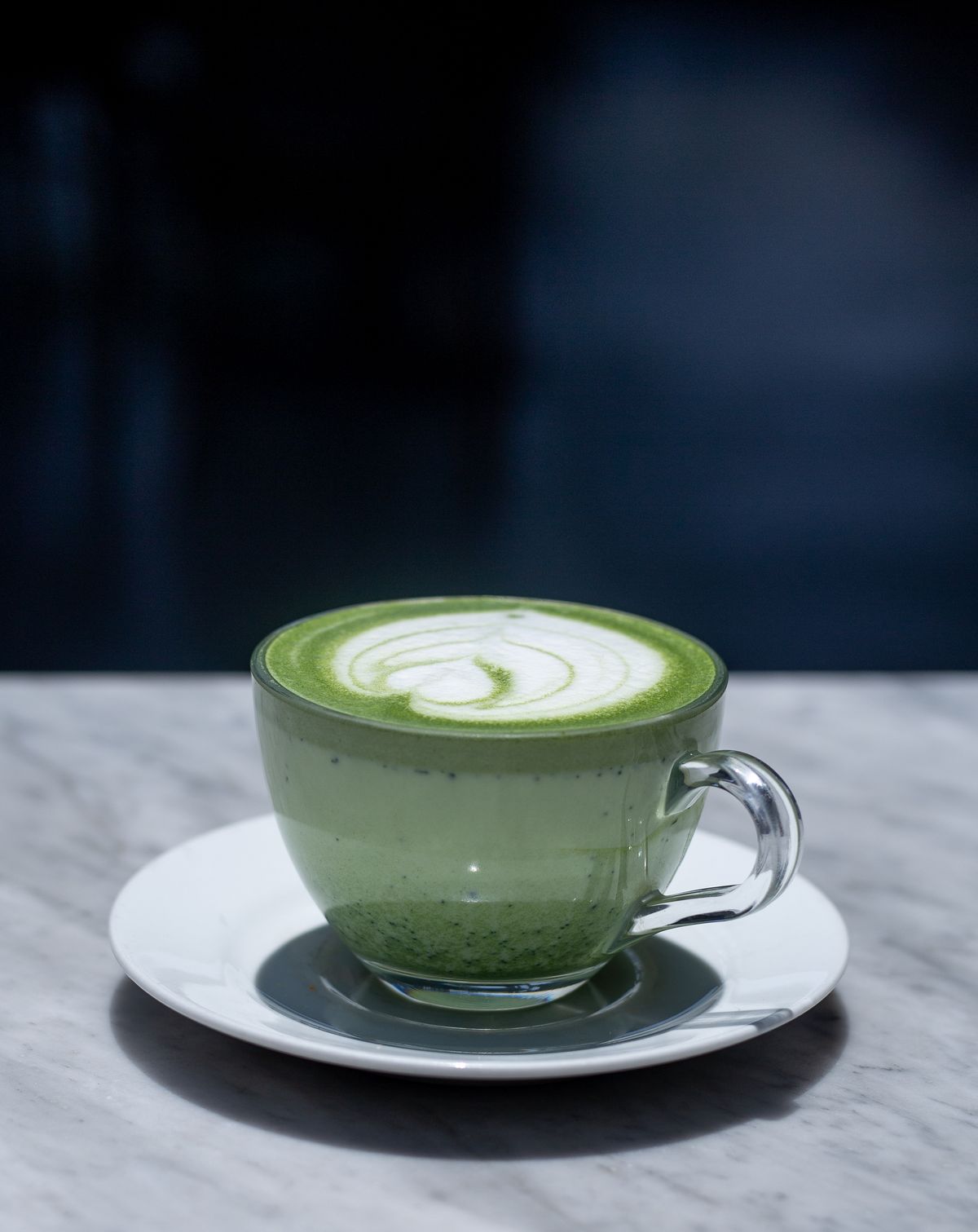
- Morning: Matcha latte with unsweetened almond milk, oat milk, or regular milk.
- Midday: Sparkling mineral water with lemon or an electrolyte drink if you are active or sweating.
- Afternoon: A low-sugar kombucha or herbal tonic instead of soda.
- Pre-workout: Matcha or green tea for gentle caffeine support.
- Evening: Caffeine-free herbal drink, such as chamomile, ginger, turmeric, or mint.
The point is not to drink more things all day. The point is to replace low-quality beverages with better ones.
Simple Matcha Ideas
- Classic matcha: matcha powder whisked with hot water.
- Iced matcha latte: matcha, ice, unsweetened milk, and optional cinnamon.
- Matcha smoothie: matcha, banana, Greek yogurt, spinach, and chia seeds.
- Protein matcha: matcha blended with protein powder and milk after a workout.
- Matcha mint cooler: matcha, cold water, fresh mint, lemon, and ice.
Who Should Be Careful?
Matcha and functional beverages are safe for many people when consumed in moderation, but some people should be more cautious. This includes people sensitive to caffeine, those with anxiety that worsens with stimulants, people with certain heart conditions, pregnant or breastfeeding women, and anyone taking medications that may interact with herbal extracts.
Kombucha may not be ideal for people with compromised immune systems, and homemade kombucha carries more risk than commercial products because fermentation needs proper hygiene and acidity control.
Final Thoughts
Matcha and functional beverages can be powerful additions to a healthy lifestyle, but only when used wisely. Matcha offers antioxidants, calm energy, and focus. Kombucha and fermented beverages may support gut health. Electrolyte drinks can improve hydration. Adaptogenic drinks may help some people manage stress.
But the foundation still matters: balanced meals, quality sleep, movement, hydration, and consistency. A functional drink should support your routine, not become the routine.
At Sabia Nutrition, we believe wellness should feel practical, not complicated. Start with one smart swap. Replace a sugary drink with matcha. Choose kombucha instead of soda. Add an unsweetened electrolyte drink after a sweaty workout. Small upgrades, repeated daily, can create real change.
