

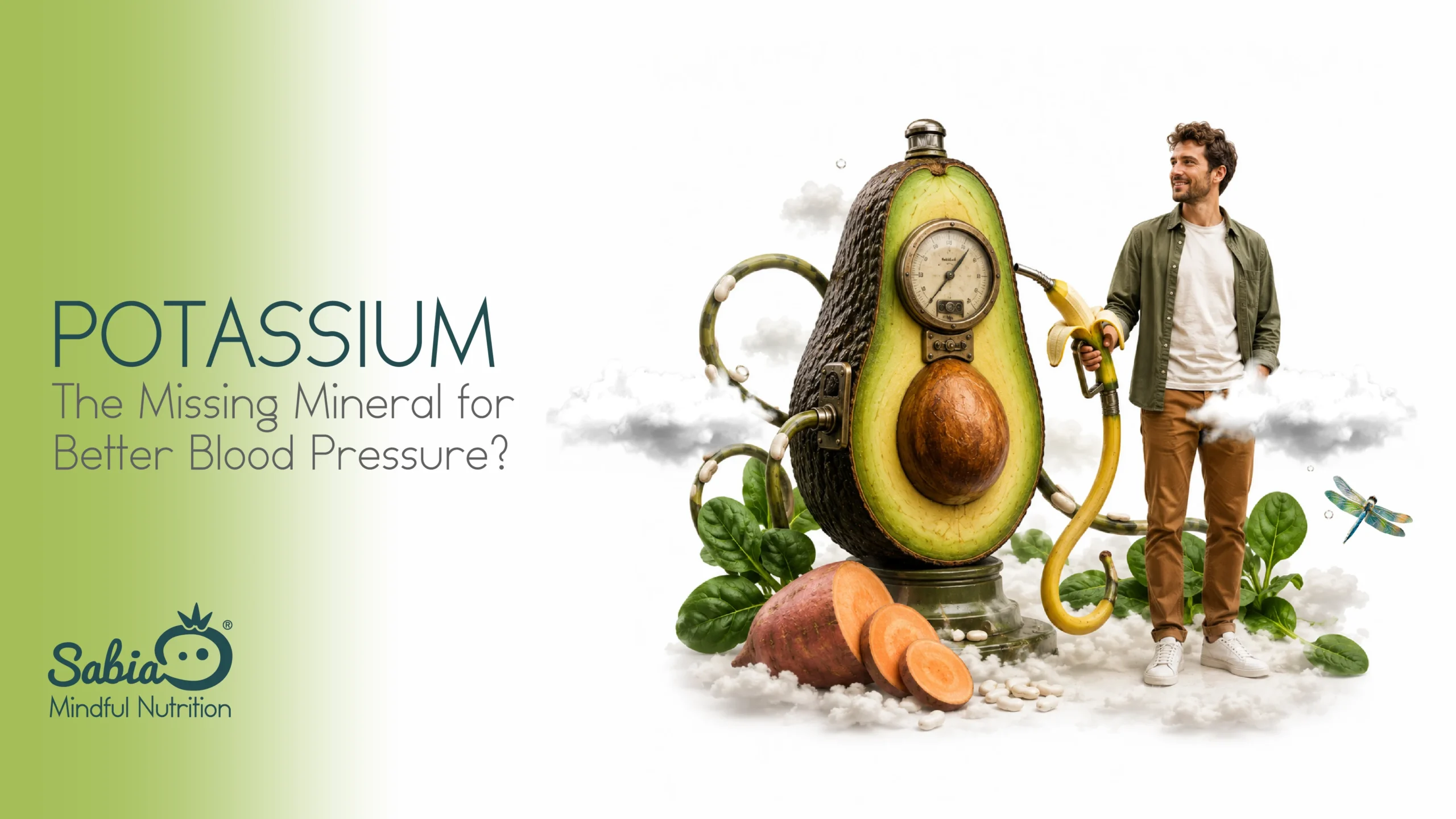
Potassium: The Missing Mineral for Better Blood Pressure?

Quick Answer: Why Is Potassium Important for Blood Pressure?
Potassium is one of the most important minerals involved in maintaining healthy blood pressure, yet it is often overlooked compared with sodium.
While reducing excessive sodium intake remains an important part of cardiovascular nutrition, emerging research suggests that increasing potassium-rich foods may be another important piece of the puzzle.
Potassium helps regulate fluid balance, supports normal blood vessel function, and influences how the body handles sodium. A diet that provides enough potassium from whole foods can support healthier blood pressure patterns as part of an overall heart-healthy lifestyle.
The message is not “eat unlimited potassium” or “ignore sodium.” The better approach is improving the balance between both minerals through a nutrient-rich eating pattern.
The Blood Pressure Nutrient Most People Ignore
For decades, the main conversation around blood pressure nutrition focused almost exclusively on sodium. The advice was simple: eat less salt.
That advice remains relevant, but cardiovascular nutrition has become more sophisticated. Researchers are increasingly looking at the relationship between sodium and potassium together rather than treating them as completely separate nutrients.
A dietary pattern high in processed foods often creates a double problem: more sodium and fewer potassium-rich foods. Many packaged foods, restaurant meals, and convenience products provide significant sodium while contributing very little potassium.
On the other hand, traditional eating patterns associated with better cardiovascular outcomes, such as the DASH diet and Mediterranean-style diets, naturally provide more potassium because they emphasize fruits, vegetables, legumes, dairy products, nuts, seeds, and minimally processed foods.
For adults between 35 and 60 years old, this matters because cardiovascular risk factors often begin accumulating silently during these decades. Blood pressure, cholesterol, insulin sensitivity, body composition, stress, sleep, and diet patterns all interact over time.
Potassium is not a magic solution, but it is one of those nutritional foundations that is easy to underestimate.
How Potassium Supports Cardiovascular Health

Potassium plays several important roles throughout the body.
- Fluid balance: Potassium helps regulate the movement of fluids inside and outside cells.
- Nerve and muscle function: Potassium is essential for normal communication between nerves and muscles, including the heart.
- Blood vessel function: Adequate potassium intake is associated with healthier vascular responses.
- Sodium balance: Potassium helps the kidneys manage sodium levels, which can influence blood pressure regulation.
Clinical research has found that increasing potassium intake can produce modest reductions in blood pressure, especially among people with hypertension. However, results vary depending on baseline diet, sodium intake, medications, and overall health status.
This is why nutrition professionals focus on patterns instead of isolated nutrients. Eating one banana does not erase a diet dominated by ultra-processed foods. A consistent eating pattern does.
Are You Getting Enough Potassium?
Many adults struggle to reach recommended potassium intake because modern eating habits often prioritize convenience over nutrient density.
The foods that naturally provide potassium are usually the same foods associated with better overall health:
- Fruits
- Vegetables
- Beans and lentils
- Potatoes and sweet potatoes
- Dairy products
- Fish
- Nuts and seeds
The problem is not that potassium-rich foods are rare. The problem is that many people are simply not eating enough of them.
A breakfast of coffee and a pastry, a rushed lunch from a vending machine, and a highly processed dinner may provide enough calories but still leave important micronutrients behind.
This is where a nutrition-first approach becomes powerful. Instead of asking:
“How do I remove everything unhealthy?”
A better question is:
“How do I add more foods that actively support my health?”
The Best Potassium-Rich Foods to Add to Your Routine
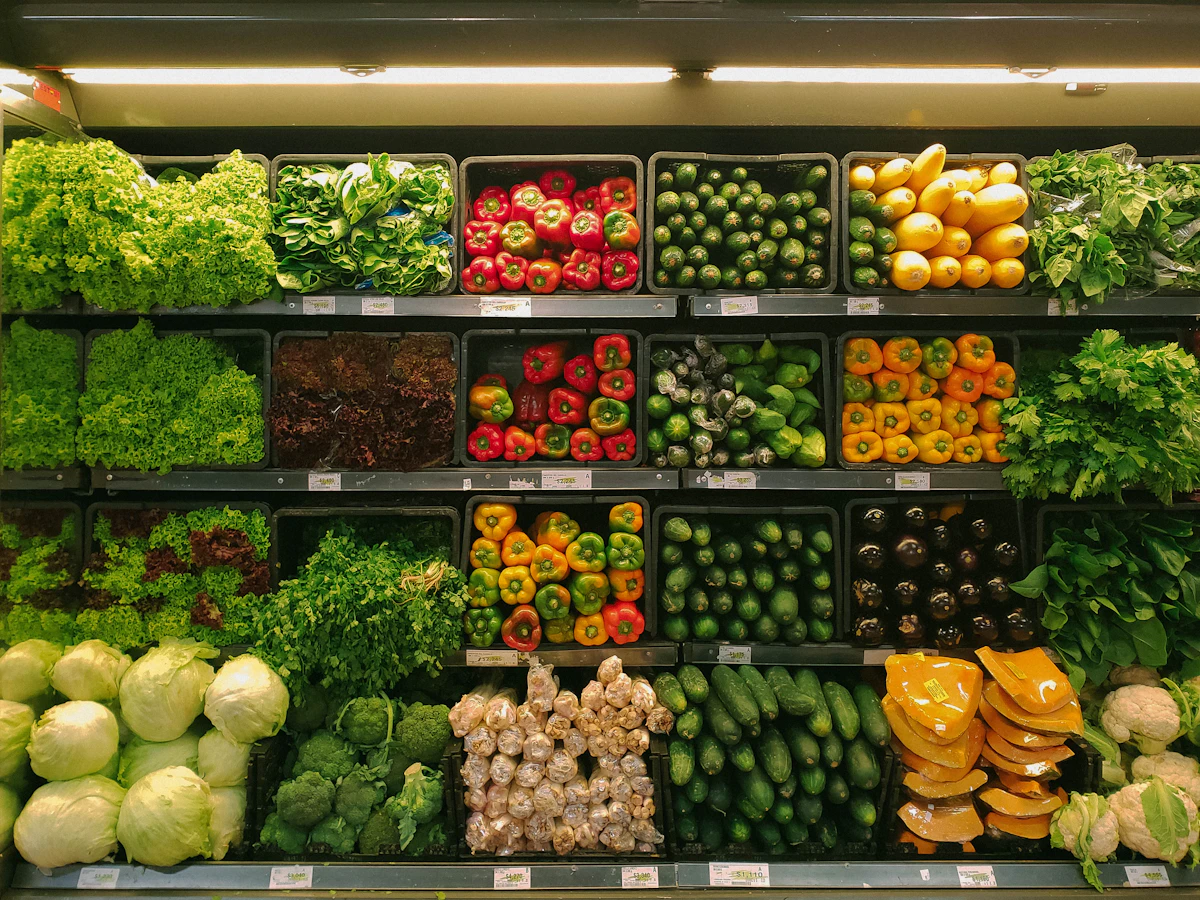
1. Avocado
Avocados are one of the easiest potassium-rich foods to include regularly. They also provide healthy fats and fiber, making them useful for balanced meals.
Add avocado to eggs, salads, grain bowls, or whole-grain toast for a simple cardiovascular-friendly upgrade.
2. Beans and Lentils
Legumes provide potassium, fiber, plant-based protein, and slow-digesting carbohydrates. They are one of the most complete foods for metabolic health.
Regular consumption of beans and lentils is associated with healthier eating patterns and better overall diet quality.
3. Sweet Potatoes and Potatoes
Potatoes often receive unnecessary criticism, but preparation matters. A baked potato with vegetables, olive oil, Greek yogurt, or lean protein is a very different food from heavily processed fried versions.
4. Leafy Greens
Spinach, Swiss chard, and other leafy greens provide potassium along with magnesium, folate, and plant compounds associated with cardiovascular health.
5. Salmon and Fish
Fatty fish provide potassium along with omega-3 fatty acids, which are important components of heart-supportive nutrition.
6. Yogurt and Dairy Products
Certain dairy products provide potassium, calcium, and protein, making them especially useful for adults focused on healthy aging and maintaining muscle.
Potassium vs Sodium: Why Balance Matters More Than Fear
For years, cardiovascular nutrition conversations focused almost entirely on sodium. While excessive sodium intake remains an important factor in blood pressure management, modern nutrition science increasingly recognizes that the relationship between sodium and potassium is more complex.
The body does not operate based on one nutrient in isolation. Sodium and potassium work together to regulate fluid balance, nerve signaling, muscle contraction, and cardiovascular function.
A common modern dietary pattern creates an imbalance: too much sodium from processed foods and too little potassium from fruits, vegetables, legumes, and minimally processed foods.
This is why simply removing salt from meals is not always the complete solution. A more sustainable approach is creating a dietary pattern where potassium-rich foods naturally replace lower-quality choices.
Think about the difference between these two meals:
- A packaged lunch with refined carbohydrates, processed meats, and high sodium sauces.
- A meal with salmon, roasted vegetables, sweet potato, avocado, and Greek yogurt.
Both may provide calories, but the second option delivers a completely different nutritional environment for your cardiovascular system.
The DASH Diet: The Blueprint for Potassium-Rich Eating
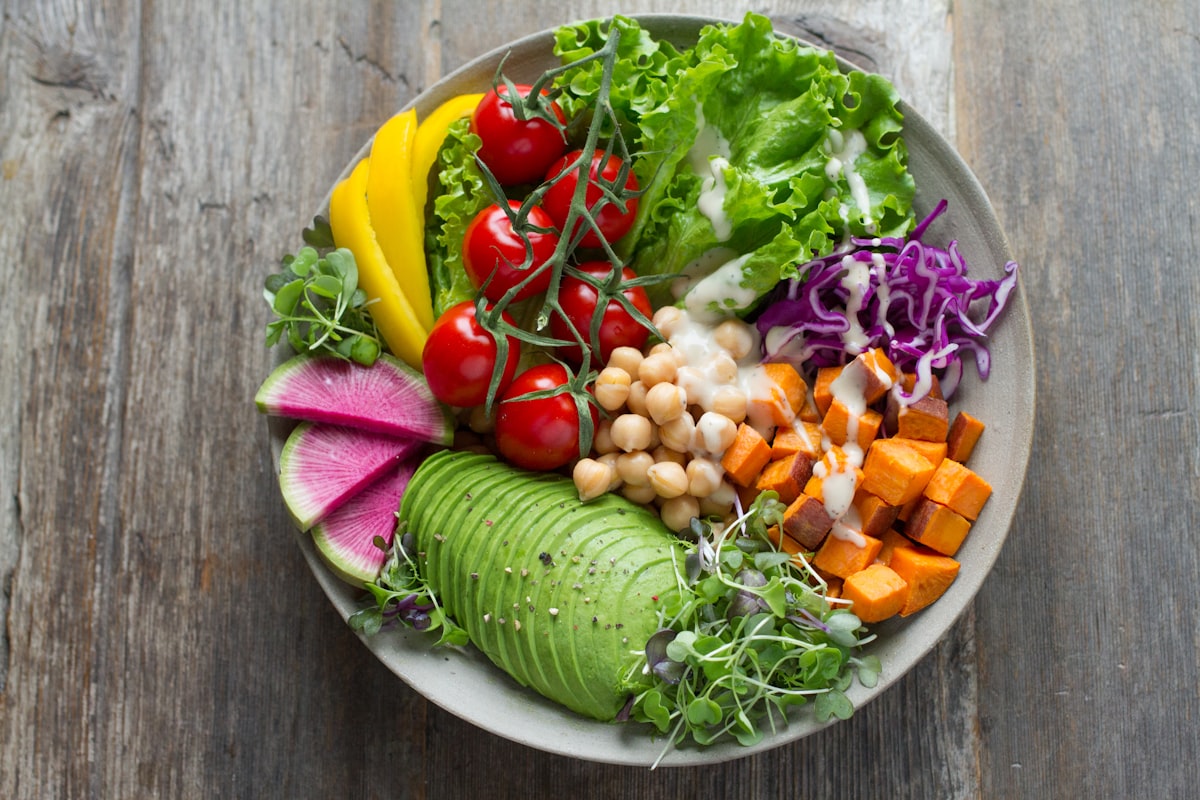
One of the best-known eating patterns for supporting healthy blood pressure is the DASH diet, which stands for Dietary Approaches to Stop Hypertension.
The DASH pattern was not created around one magical ingredient. Instead, it focuses on increasing foods naturally rich in potassium, magnesium, calcium, fiber, and other nutrients associated with cardiovascular health.
A DASH-style approach emphasizes:
- Vegetables at most meals.
- Fresh fruits.
- Beans and legumes.
- Whole grains.
- Low-fat or fermented dairy products.
- Fish and lean proteins.
- Nuts and seeds.
- Limited ultra-processed foods.
This approach aligns closely with what Sabia Nutrition believes: the best health strategies are usually not extreme. They are built around consistent, nutrient-dense habits.
A person does not improve cardiovascular health because they ate one “superfood.” They improve it because hundreds of small choices create a healthier pattern over months and years.
Simple Ways to Increase Potassium Every Day
Increasing potassium intake does not require a complete diet overhaul. Small changes can make a meaningful difference.
Upgrade Your Breakfast
Instead of starting the day with only coffee and refined carbohydrates, add potassium-rich foods:
- Greek yogurt with banana, berries, and chia seeds.
- Eggs with avocado and vegetables.
- Oatmeal with nuts and fruit.
Build Better Lunches
A balanced lunch can include:
- A grain bowl with quinoa, salmon, vegetables, and avocado.
- A salad with beans, leafy greens, olive oil, and lean protein.
- A lentil soup with vegetables and yogurt on the side.
Make Dinner More Heart-Friendly
A simple formula:
- Half the plate: vegetables.
- Quarter of the plate: quality protein.
- Quarter of the plate: potassium-rich carbohydrates such as potatoes, sweet potatoes, beans, or whole grains.
The goal is not perfection. The goal is creating meals that naturally provide more of what the body needs.
Potassium Supplements: Are They Necessary?
This is where many people make a mistake. They discover that potassium is important and immediately look for a supplement.
For most healthy adults, food should be the first strategy.
Whole foods provide potassium together with fiber, antioxidants, protein, healthy fats, and other nutrients that supplements cannot replicate.
Potassium supplements also require more caution because potassium levels in the blood are tightly regulated. Too much potassium can be dangerous, especially for people with kidney disease or those taking certain medications.
People who should speak with a healthcare professional before increasing potassium significantly include:
- Individuals with kidney disease.
- People taking medications that affect potassium levels.
- People using certain blood pressure medications.
- Individuals with heart rhythm conditions.
The goal is not “more potassium at all costs.” The goal is appropriate potassium intake from a healthy dietary pattern.
Why Potassium Matters More After 35
For adults between 35 and 60 years old, cardiovascular health becomes increasingly connected to everyday lifestyle choices.
This stage of life often comes with:
- Higher stress levels.
- Less physical activity.
- Busy schedules.
- More restaurant meals.
- Changes in metabolism.
- Accumulated effects from years of dietary habits.
Small nutritional improvements during these years can have a significant impact on long-term health.
Increasing potassium-rich foods is not about chasing a trend. It is about returning to a dietary pattern humans have historically consumed: more plants, more whole foods, and fewer heavily processed products.
The same foods that provide potassium also support many other areas of health:
- Better gut health through fiber.
- Better metabolic function.
- Improved nutrient intake.
- Healthy aging.
- Better overall diet quality.
The Sabia Nutrition Cardiovascular Plate

A simple cardiovascular-supportive plate can look like this:
Protein
Choose salmon, chicken, eggs, Greek yogurt, beans, lentils, tofu, or seafood. Protein supports muscle maintenance, which becomes increasingly important as we age.
Potassium-Rich Plants
Add vegetables, leafy greens, avocado, potatoes, sweet potatoes, tomatoes, mushrooms, and fruits.
Healthy Fats
Include olive oil, nuts, seeds, avocado, and fatty fish.
High-Fiber Carbohydrates
Choose oats, quinoa, beans, lentils, and whole grains.
Hydration
Adequate fluid intake supports circulation, digestion, and overall cardiovascular function.
The result is not a restrictive diet. It is a sustainable way of eating that supports the systems that keep the body functioning well.
Final Thoughts: Potassium Deserves More Attention
Potassium is not the most glamorous nutrient. It does not have the marketing power of collagen, NAD+, or trendy longevity compounds.
But sometimes the nutrients that matter most are the ones that quietly support the basics.
For cardiovascular health, the conversation should not only be about what to remove. It should also be about what to add.
More vegetables. More legumes. More fruits. More whole foods. More meals built around nutrients instead of convenience.
Potassium is not a magic fix for blood pressure. But it is an important piece of a larger strategy focused on healthy aging, metabolic health, and long-term wellness.
Your heart does not need another extreme diet. It needs consistent habits that work every day.
Medical Disclaimer
This article is for educational purposes only and does not replace medical advice. Individuals with kidney disease, cardiovascular conditions, or those taking medications that affect potassium levels should consult a healthcare professional before making significant dietary changes.
References
- ScienceDaily. Experts say blood pressure guidelines are missing half the equation.
- CDC Nutrition Report 2026.
- NIH Office of Dietary Supplements. Potassium Fact Sheet for Health Professionals.
- American Journal of Clinical Nutrition. Rethinking the impact of dietary sodium and potassium on blood pressure to advance public health.
