

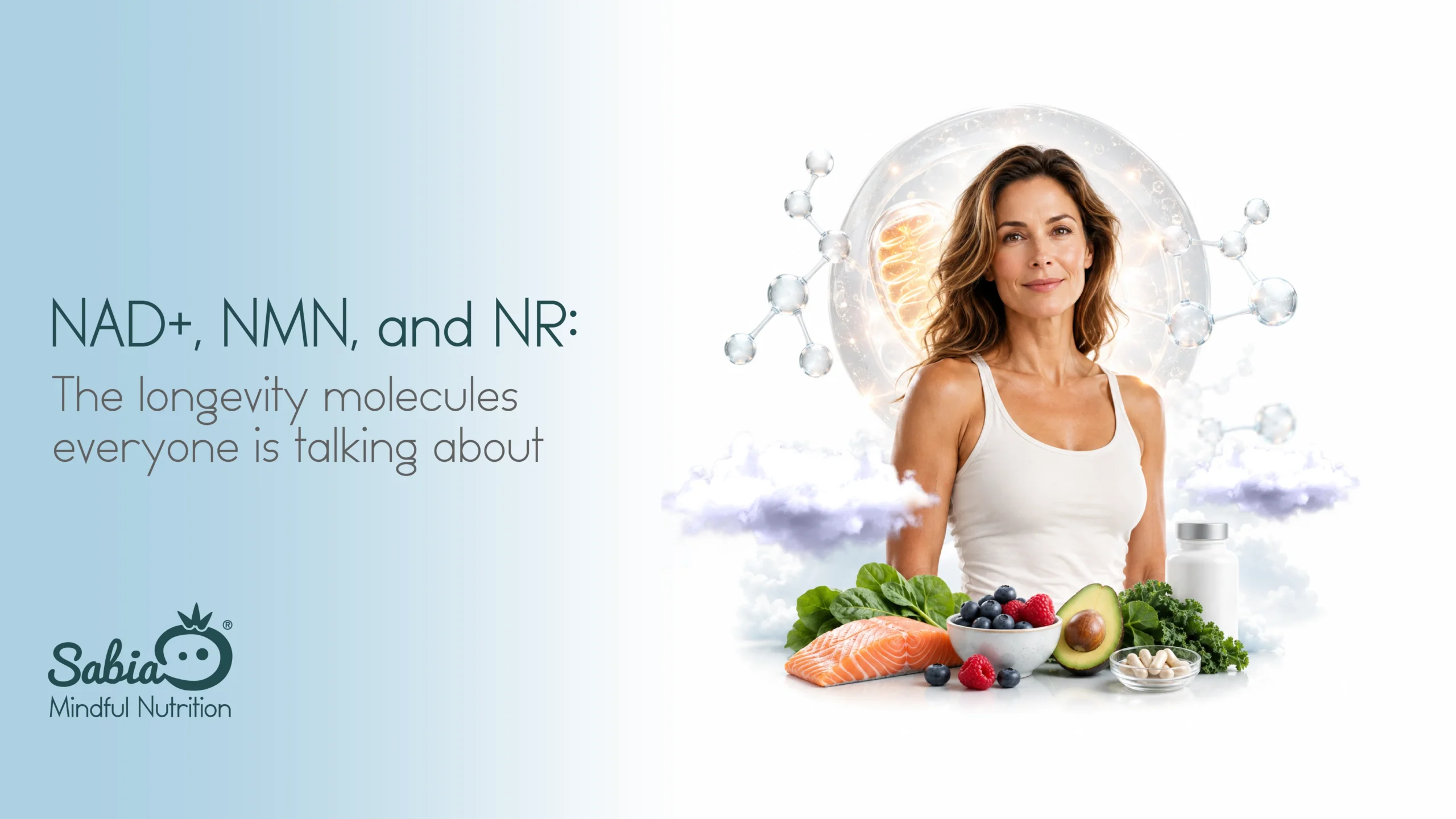
NAD+, NMN, and NR: The Longevity Molecules Everyone Is Talking About — What You Need to Know
Quick Answer: What Are NAD+, NMN, and NR?
NAD+ is a molecule found in every cell that helps convert food into energy, supports mitochondrial function, and plays a role in DNA repair and cellular metabolism. NMN and NR are NAD+ precursors, meaning the body can use them to help produce NAD+.
That is why these three terms are everywhere in the longevity world. NAD+ is the central molecule. NMN and NR are two popular supplement ingredients designed to support NAD+ levels.
But here is the important part: while NAD+ biology is exciting, that does not mean every supplement claim is proven. The best way to think about NAD+, NMN, and NR is not as “anti-aging magic,” but as part of a larger conversation about cellular health, nutrition, sleep, exercise, metabolic resilience, and long-term wellness.
Why Everyone Is Talking About NAD+ in 2026
The longevity supplement market has moved fast. What used to be a niche biohacker conversation has now become mainstream, especially among adults in their 35s, 40s, and 50s who are not just asking, “How long can I live?” but “How well can I live?”
This shift from lifespan to healthspan is one of the biggest wellness trends of 2026. Kline + Company has identified healthy lifespan and NAD+ products, including NAD+ precursors such as nicotinamide riboside (NR) and nicotinamide mononucleotide (NMN), as key areas of growth in food and nutrition innovation.
In simple terms, consumers are no longer interested only in weight, calories, or short-term energy. They are looking for products and habits that may support:
- Cellular energy.
- Mitochondrial health.
- Metabolic resilience.
- Cognitive clarity.
- Healthy aging.
- Recovery and vitality.
That is exactly where NAD+ enters the conversation. It sounds scientific, it is linked to aging biology, and it fits perfectly into the “longevity” category. Naturally, supplement companies noticed. Because apparently no molecule can have a peaceful academic life anymore without becoming a capsule, powder, gummy, IV drip, and TikTok trend.
What Is NAD+?
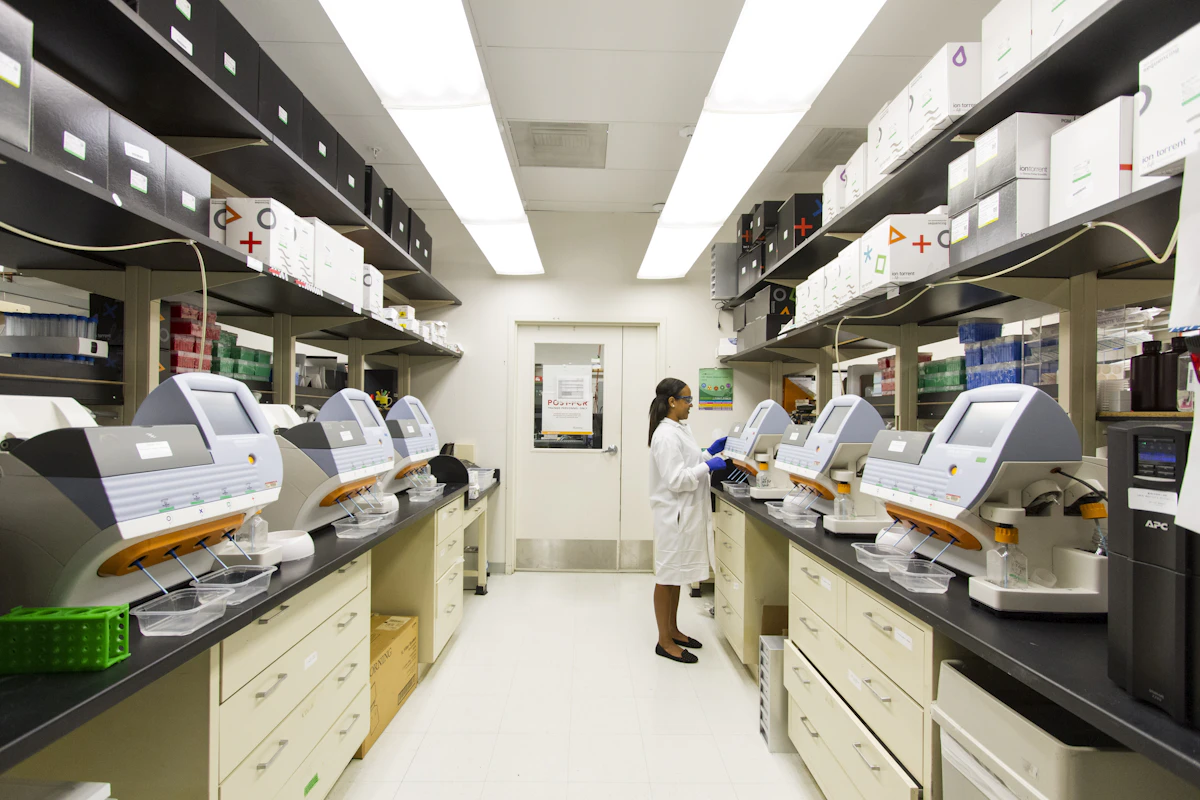
NAD+ stands for nicotinamide adenine dinucleotide. It is a coenzyme, which means it helps enzymes do their work. Your cells use NAD+ in reactions that are essential for life, especially energy production.
One of NAD+’s most important jobs is helping convert the food you eat into usable energy. Inside the mitochondria, the parts of the cell often called “energy factories,” NAD+ helps move electrons through metabolic pathways that produce ATP, the body’s main energy currency.
NAD+ is also involved in cellular repair and regulation. It is used by enzymes connected to DNA repair, stress responses, inflammation signaling, and sirtuins, a family of proteins often discussed in aging research.
This is why NAD+ has become so popular in longevity circles. It sits at the intersection of metabolism, energy, repair, and aging biology.
However, biology is not marketing. NAD+ being important does not automatically mean that taking a supplement will make you younger, reverse aging, or transform your health overnight. The body is not a vending machine where you insert NMN and receive eternal youth. Disappointing, but here we are.
Do NAD+ Levels Decline With Age?
One of the main reasons NAD+ supplements became popular is the idea that NAD+ levels decline with age. Preclinical research in animals has shown age-related changes in NAD+ metabolism, and some human studies suggest NAD+ biology may change across tissues and life stages.
But the human evidence is more complicated than the marketing suggests. A 2025 Nature Metabolism review noted that the published data on NAD+ dynamics in human tissues remains limited and that translating animal findings directly to humans is not straightforward. In other words: the science is promising, but not fully settled.
More recent human data has also suggested that NAD+ levels in whole blood may not always decline predictably with age, even if tissue-specific changes may still matter. This is why serious longevity nutrition should stay balanced: interested, but not gullible.
The better question is not simply “Can I raise NAD+?” The better question is: Will raising NAD+ improve meaningful outcomes like energy, metabolic health, strength, cognition, recovery, or healthy aging?
That is where the science is still evolving.
What Are NMN and NR?
NMN and NR are two of the most popular NAD+ precursors. A precursor is a compound the body can use to make something else. In this case, both NMN and NR can feed into pathways that help produce NAD+.
NR: Nicotinamide Riboside
NR is a form of vitamin B3. It has been studied in human clinical trials and is commonly marketed as an NAD+ booster. Research has shown that NR can raise NAD+ or NAD-related metabolites in blood, although clinical benefits vary by study and population.
NMN: Nicotinamide Mononucleotide
NMN is another NAD+ precursor that became famous in longevity research and supplement culture. It has been studied in healthy adults, middle-aged adults, and older adults, with some trials showing increases in NAD+ levels and potential signals related to physical function, sleep quality, or metabolic markers.
So Which One Is Better?
That is the question everyone wants answered, preferably in one sentence, because apparently nuance is illegal online.
A 2026 Nature Metabolism study directly compared three NAD+ boosters in healthy adults. The study found that NR and NMN, but not nicotinamide in the same way, comparably increased circulating NAD+ concentrations over 14 days. The study also suggested potential effects on microbial metabolism and gut-related pathways.
That is interesting. But it still does not prove that one supplement “extends life” or that everyone should take it. It means NR and NMN can raise NAD+ markers in humans. The next question is whether that translates into long-term clinical outcomes that matter.
The Science: Promising, But Not Magic

The strongest evidence so far is that certain NAD+ precursors can increase NAD+ or NAD-related metabolites in the body. That is a real biological effect.
But a biomarker is not the same as a guaranteed health transformation. For adults between 35 and 55 who are interested in longevity, this distinction matters.
Current research is exploring whether NAD+ precursors may support:
- Cellular energy metabolism.
- Mitochondrial function.
- Exercise capacity.
- Metabolic health.
- Inflammation balance.
- Cognitive function.
- Recovery.
- Healthy aging pathways.
Some early trials are encouraging, but results are not uniform. Many studies are small, short-term, population-specific, or focused on biomarkers instead of major health outcomes. This does not make the research useless. It simply means consumers should avoid treating NAD+ supplements as proven anti-aging medicine.
The most accurate position is this: NAD+ science is one of the most exciting areas in healthy aging research, but the supplement market is moving faster than the evidence.
Why Nutrition Still Comes First
Here is the part supplement marketing often forgets to mention: your body does not build cellular health from one capsule. NAD+ metabolism depends on a wider nutritional and lifestyle system.
Food provides the raw materials and metabolic environment your cells need to function well. That includes vitamins, minerals, amino acids, healthy fats, fiber, polyphenols, and enough total energy to support your body’s needs.
For adults interested in longevity, the foundation should include:
- High-quality protein to support muscle maintenance and repair.
- Colorful plants for antioxidants and polyphenols.
- Fiber to support gut health and metabolic regulation.
- Omega-3-rich foods for cardiovascular and inflammatory balance.
- Magnesium-rich foods for energy metabolism and muscle function.
- B vitamins from food sources to support cellular energy pathways.
- Stable blood sugar habits through balanced meals.
- Hydration and electrolyte balance.
This is why Sabia Nutrition’s approach to longevity is not “take a pill and hope biology behaves.” It is food-first, supplement-smart, and evidence-aware.
The Longevity Plate: What to Eat to Support Cellular Health
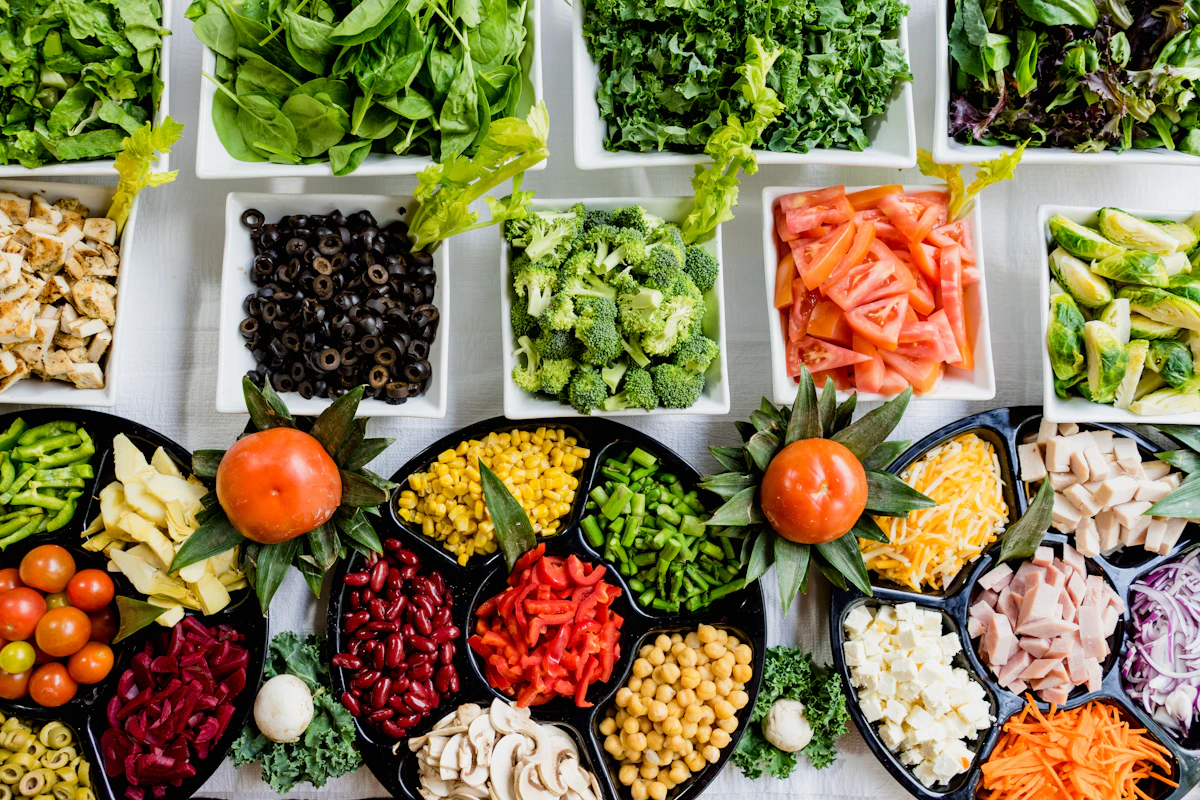
A longevity-focused plate should support energy, muscle, gut health, and metabolic flexibility. That means it should not be extreme. It should be consistent.
1. Protein for Muscle and Metabolic Health
Muscle is one of the most important tissues for healthy aging. It supports blood sugar control, mobility, strength, posture, and metabolic rate. Adults in their 35s to 55s should not wait until muscle loss becomes obvious to start protecting it.
Good protein sources include:
- Eggs.
- Greek yogurt.
- Chicken.
- Turkey.
- Fish and seafood.
- Lean beef in moderation.
- Tofu and tempeh.
- Lentils and beans.
- Cottage cheese.
2. Plants for Polyphenols
Polyphenols are plant compounds found in berries, leafy greens, cocoa, coffee, tea, herbs, spices, olive oil, and colorful vegetables. They are studied for their role in oxidative stress, inflammation balance, gut health, and metabolic function.
3. Healthy Fats for Hormones and Cells
Cell membranes depend on fats. Include extra virgin olive oil, avocado, nuts, seeds, and omega-3-rich fish such as salmon, sardines, and trout.
4. Smart Carbohydrates for Energy
Carbohydrates are not the enemy of longevity. Poor metabolic health is the issue. Choose oats, quinoa, sweet potatoes, beans, lentils, fruit, and whole grains instead of highly refined, low-fiber options.
5. Fermented Foods for Gut Health
The gut is increasingly connected to immune function, inflammation, metabolism, and healthy aging. Yogurt, kefir, kimchi, sauerkraut, miso, and other fermented foods can be useful when tolerated.
Natural Ways to Support NAD+ Before Supplements
Before jumping to supplements, it makes sense to support the habits that influence energy metabolism and healthy aging more broadly.
Exercise
Both resistance training and aerobic exercise support mitochondrial function, insulin sensitivity, muscle maintenance, and cardiovascular health. If NAD+ is about cellular energy, exercise is one of the most powerful signals you can send your cells.
Sleep
Poor sleep disrupts glucose regulation, hunger hormones, recovery, inflammation balance, and energy. A person taking NAD+ supplements while sleeping five hours a night is basically trying to polish a car while the engine is on fire.
Metabolic Health
Stable blood sugar, healthy waist circumference, good lipid markers, and normal blood pressure are not glamorous, but they matter more than most supplement trends.
Alcohol Moderation
Alcohol can stress metabolism, sleep, liver function, and recovery. If someone is serious about longevity, reducing alcohol intake often delivers more value than adding another supplement.
Consistent Nutrition
Skipping meals, under-eating protein, relying on ultra-processed snacks, and swinging between restriction and overeating can all work against long-term health. Longevity nutrition is built through patterns, not occasional wellness theater.
Should You Take NAD+, NMN, or NR?
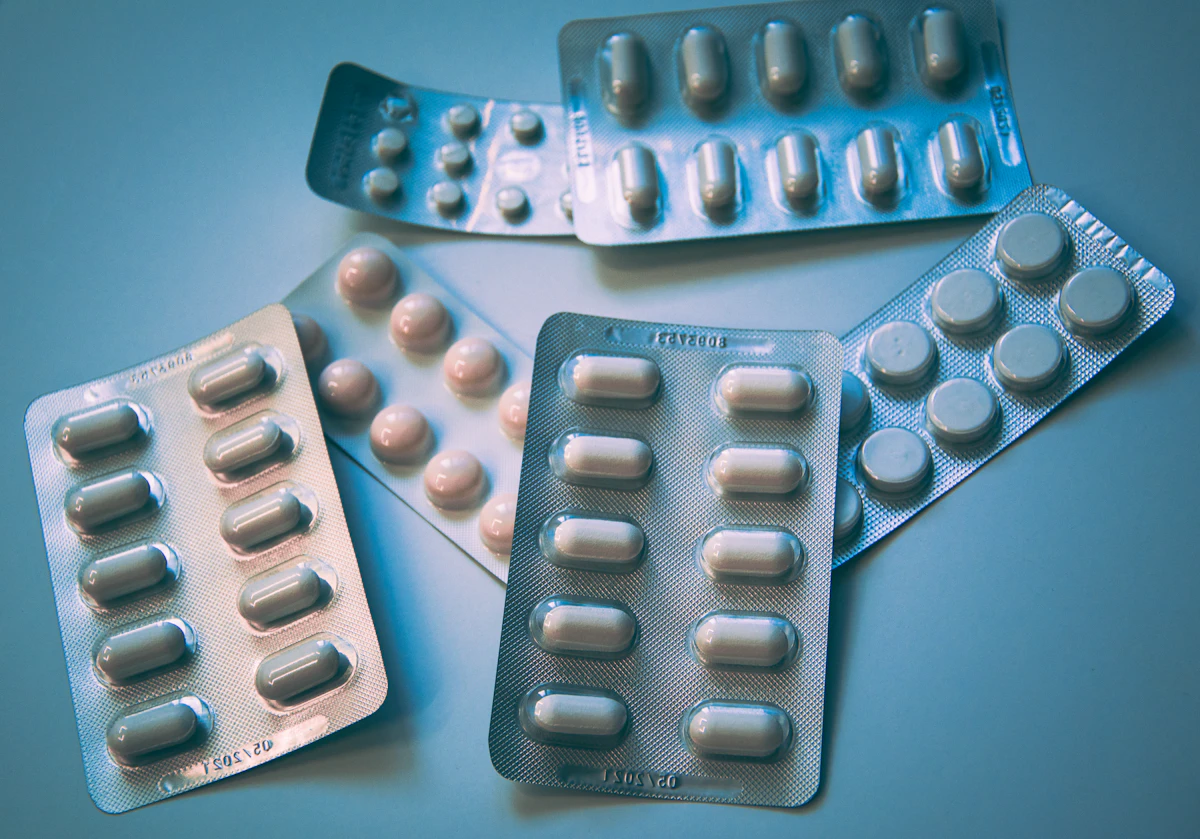
This depends on the person, their goals, their health history, medications, budget, and expectations.
Some adults may consider NAD+ precursor supplements if they are interested in cellular health and already have the basics in place: good nutrition, regular movement, strength training, sleep, hydration, and medical checkups.
But supplements should not be the first step if the foundation is missing. NAD+ products are not a replacement for protein, exercise, sleep, sunlight, fiber, or medical care.
People should be especially cautious if they:
- Are pregnant or breastfeeding.
- Have cancer or a history of cancer.
- Have liver or kidney disease.
- Take multiple medications.
- Have unmanaged diabetes or cardiovascular disease.
- Are under medical treatment for a chronic condition.
- Are considering high-dose supplements or IV NAD+ therapy.
In these cases, supplementation should be discussed with a healthcare professional. More is not automatically better, especially with compounds involved in fundamental cellular pathways.
NAD+ IV Drips vs Oral Supplements
NAD+ IV therapy has become popular in wellness clinics, often marketed for energy, recovery, detox, mood, and anti-aging. But the evidence for IV NAD+ in generally healthy adults is still limited, and these treatments can be expensive.
Oral NR and NMN have more accessible human research than many IV wellness claims, especially when the outcome is raising NAD+ or NAD-related blood markers. Still, oral supplements also need realistic expectations.
The key difference is this:
- IV NAD+: marketed heavily, often expensive, evidence still limited for broad wellness claims.
- NR and NMN: studied as oral NAD+ precursors, can raise NAD+ markers, but long-term healthspan benefits remain under investigation.
- Food and lifestyle: not as flashy, but still the strongest foundation for healthy aging.
For most people, the smartest approach is not to chase the most expensive trend. It is to build the basics first, then consider supplements only if they fit a clear, safe, and personalized plan.
What to Look for in a NAD+ Supplement
If someone chooses to use a NAD+ precursor supplement, quality matters. The supplement market is not regulated like prescription medication, and the FDA does not approve dietary supplements for safety and effectiveness before they reach the market.
Look for:
- Third-party testing.
- Clear ingredient labeling.
- Transparent dosing.
- No exaggerated disease claims.
- Good manufacturing practices.
- Published safety data when available.
- Brands that avoid “reverse aging” language.
- Professional guidance if you have medical conditions.
Avoid products that promise to cure disease, reverse aging, detox your cells overnight, or make you biologically 20 again. If the claim sounds like it was written by a crypto bro trapped in a vitamin shop, be careful.
The Sabia Nutrition Perspective
At Sabia Nutrition, we see NAD+, NMN, and NR as part of a larger longevity conversation, not as shortcuts.
For adults between 35 and 55, the most powerful longevity strategy is still built around daily habits:
- Eat enough protein.
- Strength train consistently.
- Build colorful, plant-rich meals.
- Prioritize sleep.
- Support gut health.
- Stay hydrated.
- Manage blood sugar.
- Reduce excessive alcohol.
- Track health markers with a professional.
- Use supplements strategically, not emotionally.
NAD+ science is exciting because it helps us understand how cells age, repair, and produce energy. But real longevity is not one molecule. It is the pattern of how you live, eat, move, recover, and manage stress over time.
Final Thoughts
NAD+, NMN, and NR deserve attention. They are connected to important biological pathways, and human research shows that certain NAD+ precursors can increase NAD+ markers in the body.
But the hype is ahead of the proof. These compounds are not magic, and they should not distract from the fundamentals of healthy aging.
If you are interested in longevity, start with the foundation: nutrition, protein, strength training, sleep, metabolic health, and consistency. Then, if supplements make sense, choose high-quality products and discuss them with a healthcare professional.
The goal is not to chase every new molecule. The goal is to build a body that has the nutrients, strength, energy, and resilience to age well.
Medical Note
This article is for educational purposes only and does not replace medical advice. NAD+, NMN, and NR supplements are not approved to diagnose, treat, cure, or prevent disease. If you have a medical condition, take medications, are pregnant or breastfeeding, or are considering high-dose supplements or IV NAD+ therapy, speak with a qualified healthcare professional first.
References
- Kline + Company. Longevity Nutrition Trends: Healthy Aging & Key Ingredients.
- Nature Metabolism. The differential impact of three different NAD+ boosters on circulatory NAD and microbial metabolism in humans.
- PubMed. The differential impact of three different NAD+ boosters on circulatory NAD and microbial metabolism in humans.
- Nature Metabolism. NAD+ precursor supplementation in human ageing: clinical evidence and challenges.
