

The New U.S. Food Pyramid: A healthy eating revolution and why your diet needs a reset
In January 2026, the United States government released a new dietary guideline featuring an inverted food pyramid that emphasizes real, nutrient‐dense foods while reducing processed food intake. This shift represents one of the most significant nutritional policy updates in decades and has profound implications for how we think about food, health, and chronic disease prevention. Sabia Nutrition, a healthy eating company based in Miami, is committed to empowering individuals to embrace these new principles and improve long‐term health.
What Is the Updated U.S. Food Pyramid?
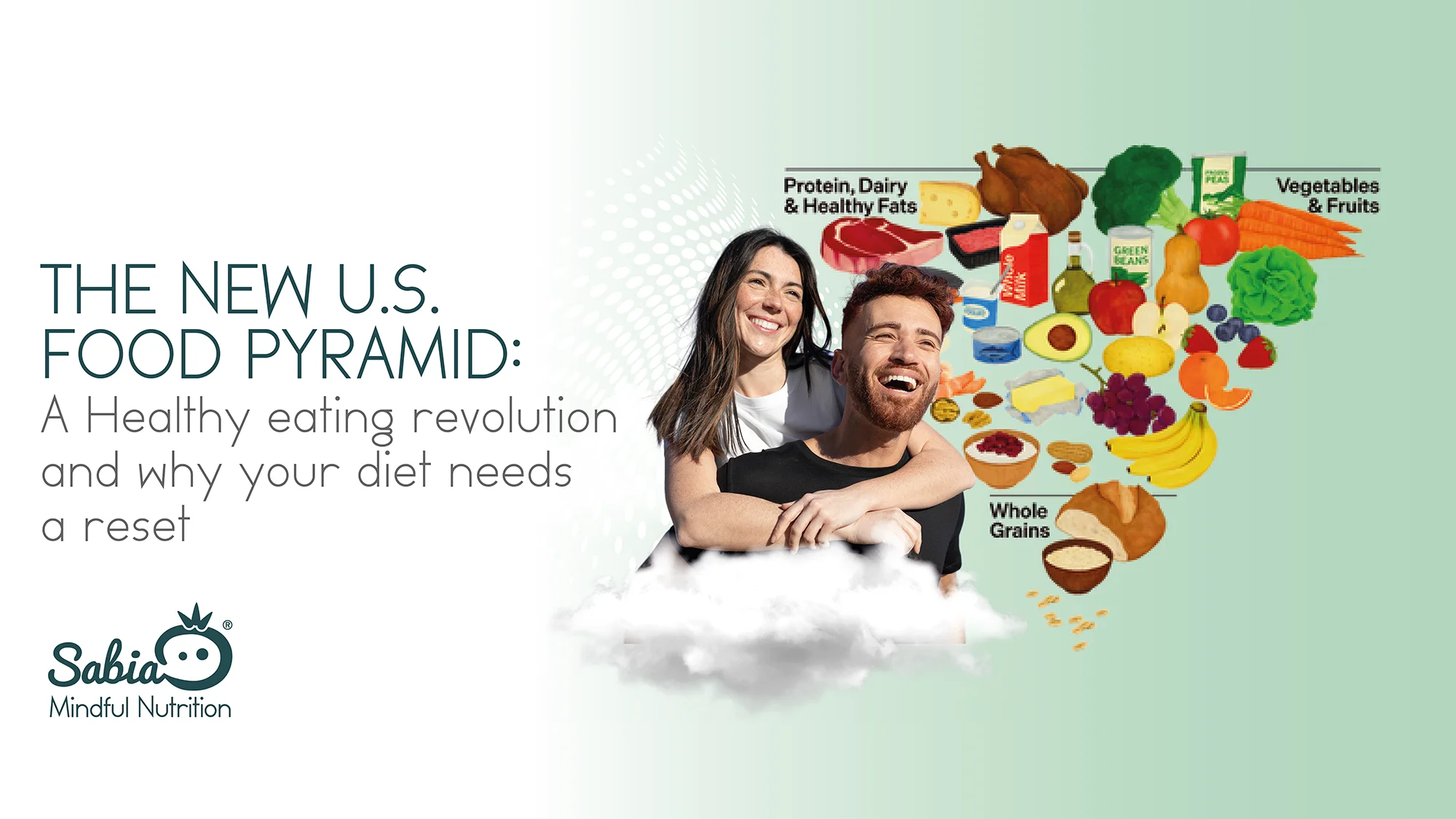
The updated U.S. Dietary Guidelines (2025–2030) introduce a reimagined “inverted” food pyramid that places high‐quality proteins, healthy fats, vegetables, and fruits at the broadest and most prioritized top, while whole grains and highly processed foods are placed lower in importance. This contrasts sharply with older models that emphasized carbohydrates and grains at the base of the pyramid.
The new model encourages:
-
High‑quality protein sources (meat, fish, legumes)
-
Healthy fats (olive oil, dairy, traditional fats)
-
Abundant vegetables and fruits
-
Minimizing ultra‑processed foods and added sugars
These guidelines aim to simplify nutrition messaging and promote lifelong healthy eating habits.

Why This Matters for Your Health
1. Reduced Chronic Disease Risk
Research shows that diets rich in whole foods — such as fruits, vegetables, lean proteins, and healthy fats — are associated with lower risks of obesity, heart disease, type 2 diabetes, and certain cancers. According to the World Health Organization, diets high in vegetables and fruits significantly reduce the risk of chronic disease.
Moreover, the U.S. Departments of Health and Human Services and Agriculture emphasize that adherence to the new guidelines can help address the national health emergency of diet‑related chronic conditions.
2. Reduced Consumption of Ultra‑Processed Foods
Thousands of nutrition studies link ultra‑processed foods with higher rates of obesity, metabolic syndrome, and inflammation. The new guidelines explicitly advise avoiding these foods in favor of whole, minimally processed options.
This recommendation aligns with recent research showing that home‑cooked, minimally processed diets result in better weight control and reduced calorie intake compared to diets high in processed foods.
3. Balanced Macronutrients for Better Wellness
The updated pyramid supports balanced intake of proteins, fats, and carbohydrates — tailored to individual needs — which enhances satiety, nutrient absorption, and metabolic efficiency. While grains remain part of the pyramid, they are no longer the dominant food group at the base.
How Sabia Nutrition Applies These Guidelines
At Sabia Nutrition, we believe that eating healthy doesn’t mean sacrifice — it means retraining your habits to prioritize real food that fuels your life.
Focus on Nutrient‑Dense Meals
We emphasize dishes that combine high‑quality proteins, fresh produce, and healthy fats, mirroring the priorities of the new nutrition guidelines.
-
Lean proteins such as fish, poultry, beans, and legumes
-
Colorful vegetables and fruits for vitamins, minerals, and antioxidants
-
Healthy fats like olive oil, nuts, and seeds
By focusing on nutrient density, we help clients feel full, energized, and supported in their health goals.
Minimize Ultra‑Processed Ingredients
Our meals are crafted using whole, clean ingredients — not artificial additives or refined sugars. This supports the guideline recommendation to avoid ultra‑processed foods that contribute to inflammation and chronic disease.
Education and Habit Reset Programs
Through our educational content, workshops, and consultation services, Sabia Nutrition teaches sustainable eating habits, meal planning tips, and lifestyle strategies that help individuals maintain healthy choices long‑term.
Practical Tips to Incorporate the New Food Pyramid at Home
Here are five simple ways to reset your eating habits based on the new nutritional paradigm:
-
Start with Whole Foods: Choose unprocessed fruits, vegetables, and proteins.
-
Cook at Home More Often: Homemade meals reduce hidden sugars, salts, and preservatives.
-
Balance Every Plate: Aim for a mix of protein, vegetables, and healthy fats.
-
Limit Ultra‑Processed Snacks and Beverages: Minimize chips, soda, and packaged foods.
-
Stay Hydrated: Water supports digestion, mood, and metabolism.
Implementing these habits not only adheres to the updated guidelines but also supports long‑term health outcomes.
The 2026 reset of the U.S. food pyramid marks a pivotal shift in how nutrition is communicated to the public. By prioritizing real, nutrient‑dense foods and reducing ultra‑processed products, these guidelines offer a blueprint for better health and chronic disease prevention.
At Sabia Nutrition, we champion these principles every day — helping people in Miami and beyond redesign their eating habits for lasting wellness. Embracing this new model can transform your health, energy levels, and overall quality of life.
📚 References
-
U.S. Departments of Health and Human Services & Agriculture — Historic reset of U.S. nutrition policy and new dietary guidelines re‑centered on real food.
-
New U.S. Dietary Guidelines 2025–2030 — emphasis on proteins, healthy fats, and whole foods.
-
The Guardian — explanation of inverted food pyramid and “eat real food” messaging.
-
World Health Organization — benefits of diets rich in fruits and veggies.
-
Study on minimally processed food diets and weight loss outcomes.
